
 By admin
The Psychology of Singles and Doubles in Tennis
Tennis, as a sport, requires not only physical agility and skill but also mental resilience and strategy. The dynamics between singles and doubles tennis reveal profound psychological and tactical differences that can make or break a player’s performance. Understanding these nuances is key to mastering both forms of the game.
Singles: The Ultimate Test of Individual Skill and Mental Strength
Singles tennis, played one-on-one, is the ultimate arena for testing personal endurance, both physically and mentally. A grueling five-set singles match is arguably one of the most demanding challenges in sports, placing immense strain on a player’s body and nervous system. Singles tennis is characterized by speed, daring, and decisive action. It is a game where imagination and risk-taking are rewarded, as there is no partner to depend on or consider.
From the perspective of spectators, singles tennis offers an unparalleled opportunity to observe the personalities of the players. Each stroke, decision, and movement reveals their idiosyncrasies, as if observed under a microscope. This intimate connection between the player and the audience adds a layer of intrigue to the match, making it a deeply personal experience.
In singles, players are free from the constraints of teamwork, allowing them to go all-in on their shots whenever there is a reasonable chance of success. Aggression and power dominate the play, as the absence of a partner means the player can afford to take greater risks for the possibility of a swift victory. Singles tennis, in essence, is a game of imagination, creativity, and individual brilliance.
Doubles: The Art of Teamwork and Precision
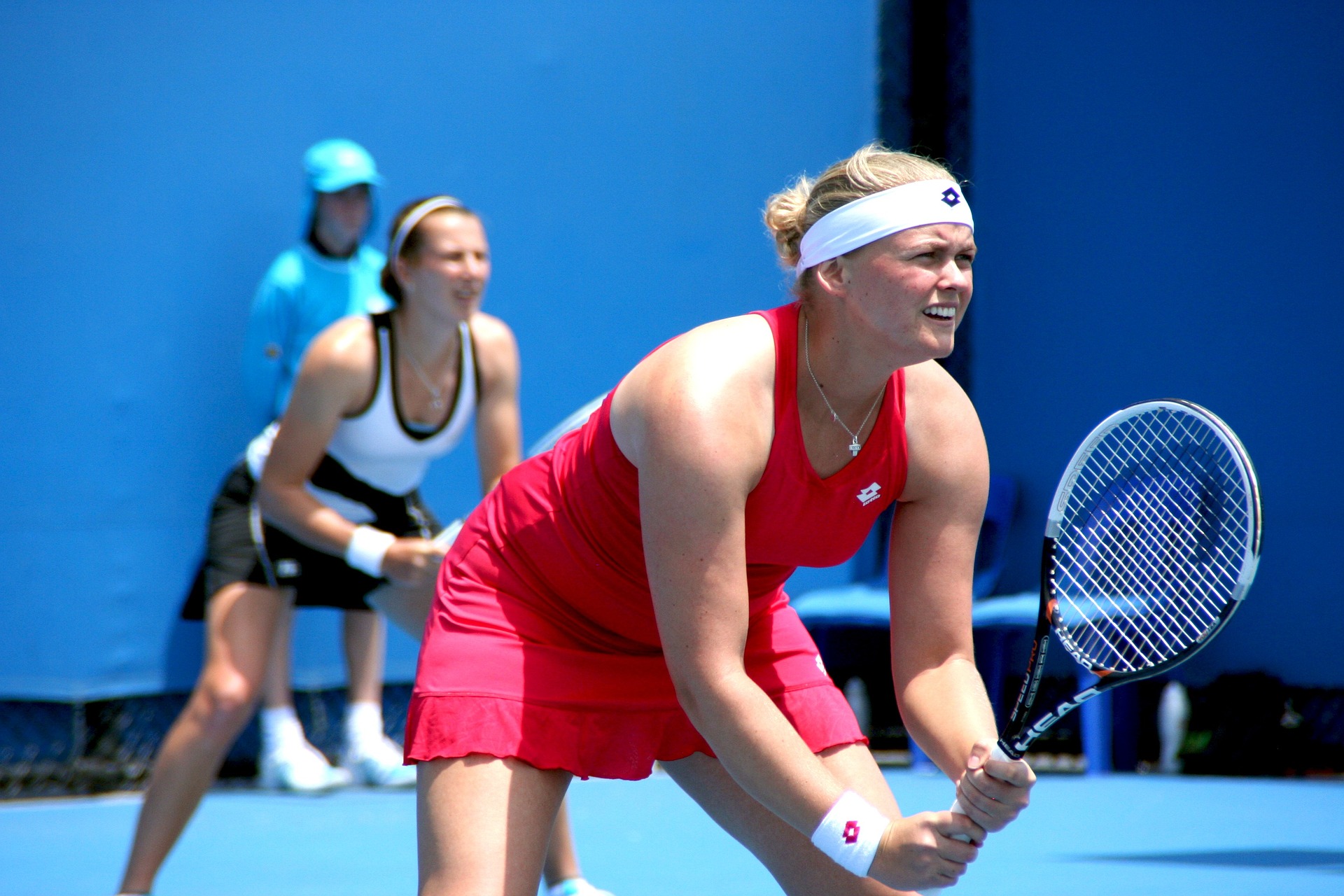
Doubles tennis, on the other hand, is a game of four players, requiring an entirely different approach. Teamwork is the cornerstone of success in doubles, where every stroke is executed with the partner’s position and potential impact in mind. Unlike singles, where individual brilliance can often decide the outcome, doubles tennis demands seamless coordination and mutual understanding between partners.
The role of teamwork in doubles is multifaceted. In evenly matched teams, success depends on the ability of both players to cover the court effectively, sharing responsibilities and complementing each other’s strengths. When one player is significantly stronger than the other, the dynamic shifts. The stronger player must shield the weaker one, capitalizing on their own strengths while mitigating their partner’s vulnerabilities. In such scenarios, the team’s performance hinges on the stronger player’s ability to dominate and control the game.
Strategies for Doubles Success
- Consistency in Serving: Serving is critical in doubles. A double fault is a grave error, as it puts the team at a significant disadvantage. The return of serve should prioritize consistency, aiming for low, controlled shots that force the opposing team into a defensive position.
- Attacking the Net: The net is the most advantageous position in doubles. Players should aim to reach the net at every opportunity, as volleys and smashes are more effective from this position. A decisive, aggressive approach at the net can often seal the point.
- Poaching with Purpose: Poaching—reaching for a shot that is technically in the partner’s area—should only be attempted when there is a clear opportunity to secure the point. Poaching without purpose can leave the court exposed and disrupt the team’s strategy.
- Effective Court Coverage: Doubles requires a strategic approach to covering the court. When the ball moves toward one sideline, the net player on that side should close in while their partner shifts slightly back and toward the center. This triangular positioning ensures optimal coverage and readiness for the next shot.
- Communication and Coordination: Effective doubles teams communicate constantly, whether calling for shots or signaling intent. Clarity and confidence in decision-making are essential to avoid confusion and maintain cohesion during play.
Mental and Emotional Aspects of Doubles
The psychological dynamics of doubles tennis are unique. Unlike singles, where the player’s mental state affects only their performance, in doubles, emotional outbursts or a lack of focus can disrupt the team’s rhythm. Partners must support each other, offering encouragement rather than criticism, especially when one is struggling.
It is crucial to foster a positive and collaborative atmosphere. Players should avoid showing frustration or annoyance with their partner’s mistakes. Instead, they should focus on constructive feedback and mutual encouragement. Teams that maintain harmony and trust are better equipped to handle the pressures of competition.
Building a Strong Partnership
A successful doubles partnership requires more than just skillful play. Compatibility between partners is vital. Players should choose a partner whose style complements their own rather than mirrors it. This approach reduces redundancies and enhances the team’s overall effectiveness.
Long-term partnerships tend to be more successful, as familiarity breeds understanding. Partners who consistently play together develop an intuitive sense of each other’s tendencies, strengths, and weaknesses. This synchronization can make all the difference in high-stakes matches.
Key Tactical Takeaways
- Target the Weaker Opponent: In doubles, targeting the weaker player on the opposing team can yield significant advantages. Consistently directing shots at this player increases the likelihood of errors and disrupts the opposing team’s strategy.
- Use the Lob Wisely: The lob is an effective defensive tool in doubles, particularly when under pressure. It can provide the time needed to regroup and reposition.
- Balance Aggression and Caution: While aggressive play is often rewarded, reckless shots can backfire. Players should strike a balance, attacking decisively when opportunities arise and playing safely in critical moments.
Comparing Singles and Doubles: A Summary
While both singles and doubles tennis share common elements, the psychological and tactical demands of each are distinct. Singles tennis emphasizes individual creativity, courage, and endurance. It is a solitary battle that tests the player’s mettle in every sense. Doubles, by contrast, is a collaborative effort, where success hinges on teamwork, communication, and mutual support.
The choice between singles and doubles often reflects a player’s personality and strengths. Some thrive in the solitary intensity of singles, while others excel in the cooperative and strategic environment of doubles. Regardless of preference, mastery of both forms enriches a player’s understanding of the game and broadens their skillset.
In conclusion, the psychology of singles and doubles in tennis is a fascinating study of contrasts. Whether it’s the individual brilliance and imagination of singles or the precision and collaboration of doubles, both forms offer unique challenges and rewards. Understanding these dynamics is not only essential for players but also enhances the appreciation of spectators, who witness the intricate interplay of skill, strategy, and psychology in every match.