
 By admin
Académie Mohammed VI de Football: A Strategic Model for African Football Excellence and Global Talent Formation
Introduction
In recent decades, global football has undergone a profound transformation, evolving from a primarily European and South American stronghold into a truly global sport shaped by innovation, science, and long-term planning. Within this shifting landscape, Africa has increasingly asserted its presence—not merely as a reservoir of raw talent, but as a continent capable of producing technically refined, tactically intelligent, and mentally resilient footballers. At the center of this evolution stands the Académie Mohammed VI de Football (AMF), a pioneering institution that has redefined football development in Morocco and reshaped perceptions of African football worldwide.
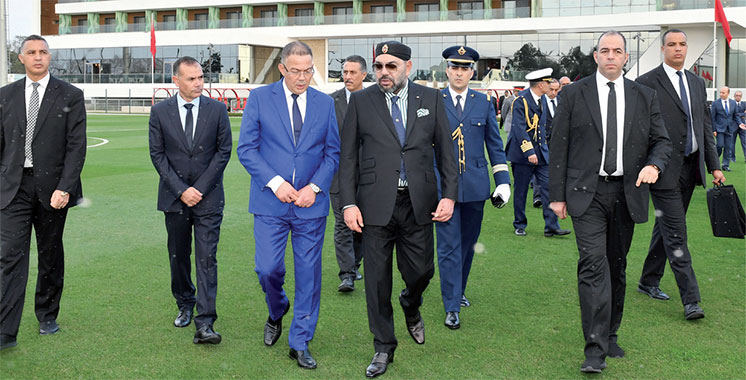
Established under the high patronage of His Majesty King Mohammed VI, the academy is far more than a training facility. It represents a national vision rooted in sustainability, excellence, and human development. Located in Salé, near the Moroccan capital Rabat, the academy embodies a modern philosophy that integrates elite football training with education, psychology, sports science, and ethical values. Its mission extends beyond winning matches—it aims to create complete individuals capable of thriving both on and off the pitch.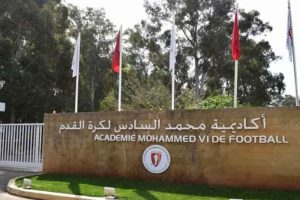
The academy’s global prominence surged dramatically following Morocco’s historic semi-final run at the 2022 FIFA World Cup in Qatar, a milestone that signaled a turning point for African football. Many of the national team’s standout performers were direct products of the AMF system, showcasing not only technical quality but also tactical discipline, emotional intelligence, and competitive maturity. This achievement was no coincidence; it was the result of years of strategic planning, investment, and methodological rigor.
This article explores the foundational vision, operational model, educational philosophy, technological integration, and continental influence of the Académie Mohammed VI de Football. By examining its structure, successes, and future ambitions, we uncover why the AMF is widely regarded as a blueprint for football excellence in Africa and beyond.
A Royal Vision Anchored in National Development
Football as a Strategic National Priority
The creation of the Académie Mohammed VI de Football was rooted in a broader national strategy aimed at positioning Morocco as a global sporting hub. Recognizing football’s immense cultural, economic, and diplomatic power, King Mohammed VI placed youth development at the heart of the country’s sporting ambitions. This royal endorsement ensured political continuity, financial stability, and long-term institutional independence—key factors often missing from football projects in developing regions.
The academy aligns closely with Morocco’s long-term sports initiatives, including “Maroc Foot 2030,” which seeks to modernize domestic football structures, enhance coaching education, and increase Morocco’s competitiveness at continental and global levels. The AMF serves as the cornerstone of this strategy, supplying elite talent to clubs, national teams, and international leagues.
Governance, Transparency, and Long-Term Planning
Unlike many football academies driven by short-term results, the AMF operates under a governance model that prioritizes sustainability, accountability, and continuous improvement. Clear performance indicators, long-term development benchmarks, and regular evaluations ensure that the academy remains aligned with its founding mission. This institutional stability has allowed the AMF to evolve steadily while maintaining consistent standards of excellence.
World-Class Infrastructure: Creating the Ideal High-Performance Environment
A Campus Designed for Elite Development
Spanning more than 30 hectares, the Académie Mohammed VI de Football boasts one of the most advanced football campuses in the world. Its facilities rival those of elite European academies, providing young players with an environment optimized for growth, performance, and recovery.
The campus includes:
- Multiple FIFA-standard natural and artificial pitches
- A cutting-edge high-performance gymnasium
- Advanced sports medicine and rehabilitation centers
- Cryotherapy and hydrotherapy units for accelerated recovery
- Tactical briefing rooms equipped with video analysis technology
- Residential facilities that foster discipline, community, and focus
This infrastructure ensures that players are exposed from an early age to professional standards, minimizing the transition gap between youth football and elite competition.
Technology and Performance Monitoring
Modern football demands precision, and the AMF embraces technology as a core component of development. GPS tracking systems monitor player workloads, sprint distances, and recovery rates, while data analytics platforms assess tactical positioning and decision-making. These tools allow coaches to tailor training programs to individual needs, reduce injury risks, and maximize long-term performance.
A Holistic Player Development Philosophy
Education as a Pillar of Excellence
One of the academy’s defining features is its unwavering commitment to academic education. Every player enrolled at the AMF follows a structured scholastic curriculum alongside football training. This dual pathway ensures that young athletes develop intellectual discipline, critical thinking skills, and alternative career prospects.
By emphasizing education, the academy nurtures more tactically intelligent players—individuals capable of understanding complex game models, adapting to different leagues, and communicating effectively with coaches and teammates. This approach also safeguards players’ futures, acknowledging that not all will pursue long-term professional careers.
Mental Strength and Psychological Development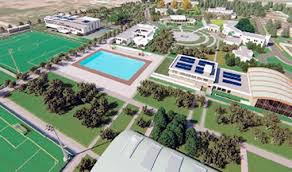
Elite football is as much a mental battle as a physical one. The AMF employs specialized sports psychologists who work closely with players to develop emotional resilience, self-confidence, and stress management skills. Regular workshops address leadership, discipline, teamwork, and media engagement, preparing players for the pressures of professional football.
This psychological foundation was clearly visible during Morocco’s 2022 World Cup campaign, where players demonstrated remarkable composure against elite opponents under immense global scrutiny.
Nutrition, Health, and Injury Prevention
Personalized nutrition programs form another cornerstone of the academy’s holistic model. Professional dietitians design meal plans based on age, position, metabolism, and training intensity, ensuring optimal energy levels and recovery.
Injury prevention is equally prioritized through biomechanical assessments, individualized strength programs, and continuous medical monitoring. When injuries occur, players benefit from rapid, evidence-based rehabilitation protocols that reduce downtime and prevent recurrence.
A Distinct Football Methodology Rooted in Identity and Innovation
Technical Excellence and Tactical Intelligence
The AMF’s playing philosophy blends Moroccan football identity with modern tactical principles. Emphasis is placed on technical mastery, quick ball circulation, spatial awareness, and intelligent pressing. Players are encouraged to express creativity while adhering to collective discipline—an approach that mirrors the style displayed by Morocco’s national teams.
Data-Driven Coaching and Continuous Learning
Training sessions are meticulously planned using performance data and match analysis. Coaches evaluate players not only on physical output but also on decision-making speed, positioning, and tactical awareness. This scientific approach ensures objective assessments and targeted development.
The academy also invests heavily in coach education, employing UEFA-licensed professionals and former international players. Continuous learning is encouraged through workshops, certifications, and international exchanges.
Global Partnerships and Knowledge Exchange
Strategic partnerships with leading European clubs and football federations allow the AMF to remain at the forefront of global best practices. These collaborations facilitate talent exchanges, coaching seminars, and joint research initiatives, ensuring that the academy evolves in line with the modern game.
Tangible Impact on Moroccan, African, and Global Football
The 2022 FIFA World Cup: A Defining Moment
Morocco’s unprecedented run to the semi-finals of the 2022 FIFA World Cup marked a historic achievement not only for the nation but for African football as a whole. AMF graduates such as Azzedine Ounahi, Nayef Aguerd, and Sofiane Boufal exemplified the academy’s success, displaying tactical intelligence, physical endurance, and emotional maturity against the world’s best teams.
Their performances validated the AMF model and showcased Africa’s ability to produce world-class footballers through structured development rather than chance.
A Proven Talent Pipeline to Europe
Beyond international tournaments, AMF graduates continue to thrive in Europe’s top leagues, including Ligue 1, the Premier League, La Liga, and the Eredivisie. European scouts increasingly view the academy as a reliable source of technically polished, tactically adaptable, and mentally robust players.
Advancing Women’s Football
The academy has also embraced the development of women’s football, integrating female programs into its core mission. By providing equal access to elite training, education, and infrastructure, the AMF contributes to the rapid growth of women’s football in Morocco and inspires young female athletes across the continent.
A Pan-African Vision and the Road Ahead
The Foot-Afric Initiative
Through its Foot-Afric program, the academy extends its influence across Africa by hosting tournaments, training camps, and talent identification events. This initiative promotes knowledge sharing, regional cooperation, and continental solidarity, positioning the AMF as a central hub for African football development.
Sustaining Excellence in a Competitive Future
As expectations grow, the academy faces new challenges—maintaining innovation, retaining elite staff, and adapting to the rapidly evolving global football ecosystem. Future ambitions include deeper investment in sports science research, expanded international partnerships, and a stronger global alumni network.
Conclusion
The Académie Mohammed VI de Football represents a transformative force in modern football development. By harmonizing world-class infrastructure, holistic education, scientific rigor, and cultural identity, it has established a sustainable model that transcends borders and reshapes global perceptions of African football.
Morocco’s success at the 2022 World Cup was not an isolated triumph, but the culmination of years of strategic investment and visionary leadership. As the academy continues to refine its methods and expand its continental influence, it stands as a powerful testament to what is possible when ambition meets structure, and when talent is nurtured with intelligence, discipline, and purpose.
The AMF is not merely producing footballers—it is shaping the future of the game.
Cristiano Ronaldo Beyond the Pitch