
 By admin

The Horsepower Standard: Why We Measure Engines in Horses and Not Other Animals
Introduction
For more than two centuries, the term horsepower has served as the universal language of mechanical strength. It appears everywhere—from lawnmowers and motorcycles to aircraft engines and high-performance supercars. Despite living in an era dominated by electric motors, artificial intelligence, and digital precision, this seemingly old-fashioned unit persists. The continued use of horsepower naturally raises an intriguing question: Why do we measure engine power in horses and not other animals?
After all, many animals are stronger, faster, or more enduring than horses. Oxen are capable of pulling heavier loads, cheetahs exhibit astonishing bursts of speed, and marine creatures like whales generate immense raw force. Yet none of these animals became the standard. The answer lies not in biology alone, but in a blend of historical timing, industrial necessity, clever marketing, human psychology, and practical measurement.
This article explores the fascinating origin of horsepower, its scientific definition, and the cultural reasons behind its dominance. We will also examine why other animals—despite impressive abilities—failed to replace the horse as the benchmark of mechanical power. Ultimately, horsepower is more than a unit; it is a legacy of the Industrial Revolution that still shapes how we understand machines today.
The Genesis of a Benchmark: James Watt and the Steam Engine
The concept of horsepower is inseparable from James Watt, the Scottish engineer whose refinements to the steam engine in the late 18th century helped ignite the Industrial Revolution. Although Watt did not invent the steam engine itself, his improvements made it significantly more efficient, practical, and commercially viable.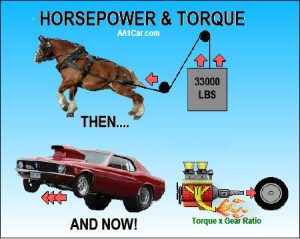
At the time, horses were the backbone of industry. They powered mills, hauled coal, pumped water from mines, and transported goods across cities and countryside alike. Any new machine had to compete directly with horse labor. Business owners did not think in terms of watts or joules; they thought in terms of how many horses they needed to replace.
Watt recognized this reality and devised a way to quantify the output of his steam engines in terms his customers already understood. By doing so, he transformed an abstract mechanical advantage into a concrete economic comparison.
Horsepower, therefore, was not just a scientific measure—it was a sales tool.
Defining Horsepower: The Science Behind the Unit
James Watt defined one horsepower as the ability to lift 550 pounds one foot in one second, or 33,000 foot-pounds per minute. In modern terms, this equates to approximately 746 watts.
Watt arrived at this figure by observing horses working in coal mines. He measured how much weight a typical draft horse could lift over a given time and deliberately set the value slightly higher than average. This strategic choice ensured that steam engines marketed as producing “one horsepower” would reliably outperform a real horse under sustained conditions.
It is important to note that horsepower does not represent a horse’s maximum effort. Horses can briefly generate far more than one horsepower, particularly during short bursts of intense activity. However, Watt was interested in continuous, sustainable output, which is precisely what machines are designed to deliver.
This focus on endurance rather than peak strength helped solidify horsepower as a practical and realistic benchmark.
Why the Horse Was the Perfect Reference Animal
1. Economic Centrality of Horses
During the 18th and 19th centuries, horses were everywhere. They powered agriculture, transportation, manufacturing, and mining. Replacing horses with machines was the primary motivation behind adopting steam engines, making horses the most logical point of comparison.
2. Familiarity and Intuition
Nearly everyone understood what a horse could do. Farmers, merchants, factory owners, and city planners all had firsthand experience with equine labor. Saying an engine produced “ten horsepower” immediately conveyed its value without requiring technical education.
3. Balanced Strength and Endurance
Horses offered an ideal mix of strength, speed, and stamina. While some animals were stronger or faster, few combined these traits as effectively in a way that mirrored mechanical performance.
4. Cultural Prestige
Horses symbolized power, reliability, and status. They were respected working animals and cultural icons, making them an appealing standard rather than an obscure or exotic creature.
Why Not Other Animals? Examining the Alternatives
Oxen: Strong but Slow
Oxen are undeniably powerful and can pull heavier loads than horses. However, they move slowly and lack the speed and responsiveness required for many industrial tasks. Machines were intended not only to pull weight but also to operate efficiently and quickly. Ox-power would have implied sluggishness rather than progress.
Donkeys and Mules: Enduring but Undervalued
Donkeys and mules are highly durable and efficient, especially in harsh environments. Yet they lacked the prestige and widespread economic dominance of horses. Marketing machines in “donkeypower” would not have inspired confidence or ambition.
Cheetahs: Speed Without Stamina
Cheetahs are the fastest land animals, capable of incredible acceleration. However, their endurance is extremely limited. They overheat quickly and cannot sustain effort—making them a poor analogy for engines designed to run continuously.
Elephants: Too Extreme to Be Practical
Elephants possess immense strength, but they were never integrated into mainstream industrial labor in Europe. Their size, rarity, and specialized care made them impractical as a universal reference.
Marine Animals: Powerful but Abstract
Creatures like whales generate enormous force, but their aquatic nature and unfamiliarity made them unsuitable for everyday comparison. Industrial buyers needed a reference grounded in daily experience.
The Psychological Power of Human-Scale Measurement
One of the most compelling reasons horsepower endured is its alignment with human cognitive preferences. People understand measurements better when they relate to familiar experiences. Horsepower bridges the gap between abstract physics and tangible reality.
Even today, saying an electric motor produces “200 kilowatts” feels less intuitive than saying it delivers “268 horsepower.” The latter instantly evokes an image of strength and performance.
This psychological advantage has allowed horsepower to survive long after horses disappeared from industrial labor.
Metric Power vs. Horsepower: A Tale of Two Systems
In scientific contexts, power is measured in watts, named after James Watt himself. The metric system provides precision, consistency, and ease of calculation. However, horsepower remains dominant in consumer-facing industries such as automotive manufacturing.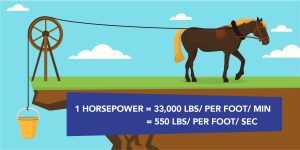
Many countries use both systems simultaneously, listing engine output in kilowatts and horsepower. This dual labeling reflects a compromise between scientific accuracy and market familiarity.
Despite efforts to standardize measurements, horsepower continues to hold emotional and cultural weight that pure numbers cannot replace.
Horsepower in the Age of Electric Vehicles
Electric vehicles (EVs) produce power very differently from internal combustion engines. They deliver instant torque, smoother acceleration, and often higher efficiency. Yet manufacturers still advertise horsepower figures prominently.
Why? Because consumers still think in horsepower.
Even as engineering advances redefine performance metrics, horsepower remains the most recognizable indicator of a vehicle’s potential. Some EV makers have attempted to emphasize torque or kilowatt ratings, but horsepower persists as the dominant reference point.
The Enduring Legacy of Horsepower
Horsepower has outlived steam engines, horse-drawn transport, and even fossil-fuel dominance. Its survival is a testament to the power of effective communication and historical momentum.
What began as a clever marketing strategy evolved into a universal standard that transcended its original context. Horsepower represents more than mechanical output—it embodies humanity’s transition from muscle power to machine power.
Conclusion
The reason we measure engines in horsepower rather than oxen, cheetahs, or any other animal is not arbitrary. It is the result of historical timing, economic reality, cultural symbolism, and human psychology. Horses were the foundation of industry when machines emerged, making them the most logical and relatable benchmark.
James Watt’s insight transformed a familiar animal into a lasting unit of measurement—one that continues to shape how we perceive power today. Even in an era of electric motors and advanced computing, horsepower endures because it speaks a language we instinctively understand.
In the end, horsepower is not about horses alone. It is about continuity, comprehension, and the remarkable ability of a simple idea to outlast centuries of technological change.
The Evolution and Future of Solar Energy