
 By admin

Introduction: The Essence of Branding in Modern Business
In today’s competitive global marketplace, branding has become far more than just a logo or a catchy slogan—it’s the foundation of business identity. A strong brand is what sets a company apart from competitors, establishes trust with customers, and cultivates long-term loyalty. Whether you’re running a small local shop or managing an international enterprise, your brand represents who you are, what you stand for, and how the world perceives you.
Branding plays a critical role in shaping consumer behavior. It gives a company personality and voice, allowing customers to build emotional connections with it. Modern consumers no longer just buy products—they buy experiences, emotions, and values that resonate with their beliefs. This article explores the importance of branding, how it strengthens customer loyalty, and how strategic brand development can drive sustainable business success in a rapidly evolving market.
1. Understanding Branding: Beyond Logos and Colors
1.1 What Is Branding?
Branding refers to the process of creating a distinct and consistent identity for your business in the minds of your audience. It combines visual elements—such as logos, typography, and colors—with emotional and psychological associations. A brand represents your company’s promise to customers: the values you uphold, the quality they can expect, and the experience they will receive.
1.2 The Components of a Strong Brand
A successful brand includes multiple interconnected components:
- Logo and Design: Visual symbols that communicate your company’s essence at a glance.
- Slogan or Tagline: A memorable phrase that captures your brand’s purpose or promise.
- Color Palette: Colors evoke specific emotions and influence customer perception.
- Tone and Voice: The personality reflected in your written and verbal communications.
- Customer Experience: Every interaction reinforces (or weakens) your brand image.
When all these components align, your business establishes a unified identity that customers can easily recognize and trust.
2. The Psychological Power of Branding
2.1 Familiarity Breeds Trust
Humans are naturally drawn to familiarity. When consumers repeatedly encounter your brand’s logo, colors, and message, they begin to associate it with reliability and quality. This psychological effect makes them more likely to choose your product or service over an unfamiliar competitor.
2.2 Emotional Connection and Brand Loyalty
Successful brands don’t just sell—they connect emotionally. Think about how people feel when they see the Apple logo or hear Nike’s “Just Do It.” These brands have built emotional identities that evoke inspiration, innovation, and aspiration. Customers don’t just buy technology or shoes—they buy the lifestyle those brands represent.
Emotional branding can turn casual buyers into lifelong supporters. When people feel understood by a brand, they’re not only more likely to stay loyal but also to advocate for it publicly.
3. The Tangible Benefits of a Strong Brand
3.1 Enhanced Recognition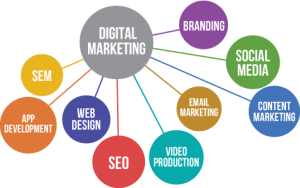
A strong brand ensures that your business is instantly recognizable. Even in crowded markets, a well-designed logo and consistent brand message allow customers to spot you quickly, helping your company stay top-of-mind.
3.2 Increased Customer Retention
When customers trust your brand, they tend to return. A powerful brand experience encourages repeat purchases and nurtures long-term relationships. Over time, this customer loyalty translates into a reliable revenue stream.
3.3 Premium Pricing and Perceived Value
Consumers often associate strong brands with higher quality. As a result, they are willing to pay more for products or services that they believe are superior. This means that branding can directly influence your profit margins—people will bypass cheaper alternatives if your brand commands respect and credibility.
3.4 Word-of-Mouth and Organic Growth
Satisfied customers often become brand ambassadors, spreading the word through personal recommendations and social media. Word-of-mouth remains one of the most trusted and cost-effective marketing channels. A strong brand inspires conversations and referrals, leading to exponential growth without excessive advertising costs.
4. Branding as a Strategic Marketing Asset
4.1 The Long-Term Value of Brand Equity
Brand equity refers to the value that your brand adds to your business beyond tangible assets. When consumers recognize your brand and associate it with positive qualities, your company gains a competitive advantage. High brand equity increases customer loyalty, enhances market share, and provides resilience against market fluctuations.
4.2 Reduced Marketing Costs Over Time
Once a brand becomes well established, marketing becomes significantly more efficient. The recognition and trust you’ve built allow you to spend less on customer acquisition. Instead of convincing new audiences, your brand naturally attracts them.
4.3 Easier Product Launches
When customers already trust your brand, they’re more likely to try new products or services from you. Established credibility makes it easier to expand your product line or enter new markets. Think of how companies like Coca-Cola, Amazon, or Samsung introduce new products—their brand reputation ensures an immediate audience.
5. Building a Successful Brand: Steps and Strategies
5.1 Define Your Brand Identity
Start by asking key questions:
- What values define your company?
- What emotions do you want customers to feel when they engage with your brand?
- What makes you different from competitors?
Your answers will form the foundation of your brand strategy.
5.2 Know Your Target Audience
Effective branding speaks directly to your ideal customer. Conduct market research to understand their needs, pain points, and preferences. Tailor your messaging to resonate with their lifestyle and expectations.
5.3 Create a Memorable Visual Identity
Work with professional designers to craft a logo, typography, and color scheme that align with your brand’s personality. Consistency across packaging, website, and marketing materials reinforces recognition.
5.4 Develop a Consistent Brand Voice
Your tone—whether friendly, professional, humorous, or authoritative—should reflect your brand’s core values. Maintain the same voice across all communication channels, from social media posts to customer emails.
5.5 Deliver on Your Brand Promise
Consistency between your marketing and your actual customer experience is crucial. A brand that fails to deliver on its promises quickly loses credibility. Satisfied customers strengthen your brand reputation organically through positive feedback and reviews.
5.6 Engage Through Storytelling
Stories create emotional connections. Share the story behind your company—why you started, what challenges you overcame, and how your product improves lives. Authentic storytelling transforms your brand from a business into a relatable human experience.
6. Modern Trends in Branding
6.1 The Rise of Digital Branding
In the digital age, online visibility defines brand success. Your website, social media presence, and digital content collectively shape how audiences perceive your brand. Investing in professional web design and content marketing is essential for credibility.
6.2 Sustainability and Ethical Branding
Today’s consumers value transparency and social responsibility. Brands that emphasize sustainability, fair trade, and ethical sourcing appeal strongly to conscious consumers. Companies like Patagonia and Ben & Jerry’s have built entire identities around social causes, earning both loyalty and respect.
6.3 Personal Branding for Entrepreneurs
Branding isn’t limited to corporations. Entrepreneurs, influencers, and professionals benefit from personal branding. By building a recognizable identity around their expertise and values, they attract opportunities, partnerships, and trust in their industries.
6.4 Data-Driven Branding Decisions
Modern branding strategies are increasingly powered by data analytics. Tracking consumer behavior, engagement rates, and sentiment analysis allows businesses to refine their branding efforts and stay aligned with market expectations.
7. Common Branding Mistakes to Avoid
- Inconsistency: Changing visuals or messages too often confuses customers.
- Ignoring Customer Feedback: Negative reviews or complaints, if left unaddressed, can damage brand perception.
- Copying Competitors: Authenticity is key. A brand that imitates others fails to stand out.
- Neglecting Online Presence: In today’s digital-first world, weak online branding equals invisibility.
- Failing to Evolve: Brands that don’t adapt to changing market trends risk becoming irrelevant.
8. The Future of Branding
As technology continues to evolve, branding will become even more interactive and personalized. Artificial intelligence, augmented reality, and immersive experiences are transforming how brands connect with audiences. Future branding strategies will focus on personalization—tailoring experiences to individual preferences through data insights and AI-driven marketing.
The most successful brands will be those that blend authenticity with innovation, creating meaningful experiences that go beyond transactions.
Conclusion: Branding as the Heartbeat of Business Success
Branding is not just an element of marketing—it’s the essence of your business identity. It defines how people perceive your company, the emotions they associate with it, and their willingness to engage with you. A strong brand builds recognition, trust, loyalty, and value that lasts for generations.
Whether you are launching a startup or managing a multinational corporation, investing in your brand is investing in your future. With clear strategy, emotional connection, and consistent delivery, your brand becomes not just a name—but a promise, a reputation, and a legacy.
The Strategic Value of Business Analysts