
 By admin
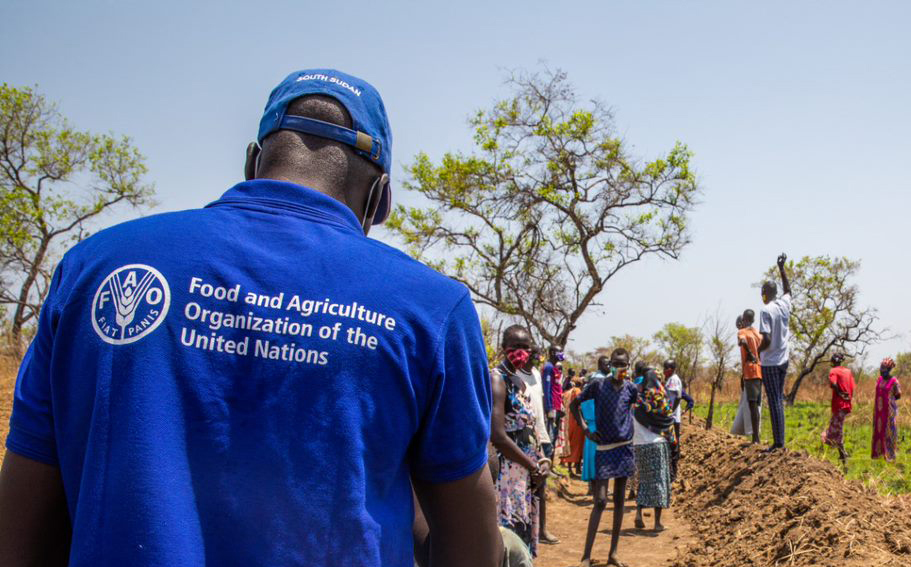
The Food and Agriculture Organization (FAO): A Global Force for Food Security and Sustainable Development
Introduction
In today’s interconnected world, where hunger, malnutrition, climate change, and agricultural challenges intersect, the Food and Agriculture Organization of the United Nations (FAO) stands as a vital institution committed to achieving global food security. Since its creation in 1945, FAO has worked relentlessly to eradicate hunger, improve nutrition, ensure sustainable agriculture, and support countries in building resilient food systems. With nearly 200 member nations, the organization plays a pivotal role in shaping agricultural policies, guiding international cooperation, and offering technical expertise to address pressing global challenges.
This article provides a comprehensive overview of FAO’s mission, structure, and achievements, while also highlighting the challenges it faces in a rapidly changing global landscape. By understanding FAO’s role, we can better appreciate how international collaboration is essential in securing a sustainable food future for humanity.
The Origins and Mission of FAO
Founding Principles
The FAO was founded on 16 October 1945 in Quebec City, Canada, shortly after the devastation of World War II. Its primary mission was to combat hunger and promote food production at a time when millions faced starvation. The organization was built on the belief that food security is a fundamental human right and that international cooperation is the key to achieving it.
Core Objectives
FAO’s mandate is broad but can be summarized in four main objectives:
- Eliminate hunger, food insecurity, and malnutrition.
- Make agriculture, forestry, and fisheries more sustainable.
- Reduce rural poverty by boosting economic opportunities.
- Build resilient food systems against climate and economic shocks.
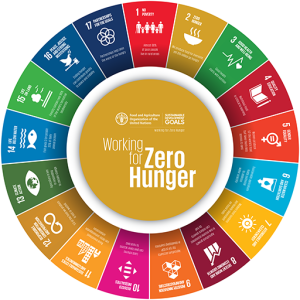
Through these goals, FAO contributes to the United Nations Sustainable Development Goals (SDGs), particularly SDG 2: Zero Hunger.
The Structure and Functioning of FAO
Membership and Governance
FAO is composed of 194 member states, two associate members, and the European Union. Its decision-making body is the FAO Conference, which meets every two years to review progress and set policies. The Director-General leads the organization, supported by regional and country offices worldwide.
Funding and Resources
FAO’s budget comes from two sources:
- Assessed contributions from member states.
- Voluntary contributions from governments, international institutions, and private donors.
These resources allow FAO to finance projects, conduct research, and provide emergency food assistance when crises strike.
Key Areas of FAO’s Work
1. Combating Hunger and Malnutrition
Hunger remains one of the most urgent issues of our time. According to FAO’s State of Food Security and Nutrition in the World Report (SOFI 2024), more than 735 million people still suffer from chronic hunger. FAO works with governments to design policies, improve nutrition standards, and promote healthy diets.
Nutrition-Sensitive Programs
FAO develops educational programs to encourage better food choices, supports school feeding initiatives, and works to reduce micronutrient deficiencies such as iron and vitamin A deficiencies.
2. Sustainable Agriculture and Food Systems
Agriculture is the backbone of global food security, yet it is under severe pressure from climate change, soil degradation, and population growth. FAO promotes sustainable farming practices that protect biodiversity and reduce environmental impacts.
Climate-Smart Agriculture
FAO supports farmers with climate-smart technologies, such as drought-resistant seeds, water-efficient irrigation, and digital tools for monitoring soil health. These solutions help farmers adapt to climate change while reducing greenhouse gas emissions.
Agroecology and Biodiversity
FAO champions agroecology, which integrates ecological principles into farming. Protecting biodiversity—such as pollinators, forests, and marine ecosystems—is a cornerstone of FAO’s sustainable development strategies.
3. Fisheries and Forestry
FAO oversees global standards for fisheries and forestry, ensuring resources are managed responsibly.
- Fisheries: FAO combats overfishing by setting sustainable quotas and promoting aquaculture.
- Forestry: FAO supports reforestation, combats illegal logging, and monitors forest cover through its Global Forest Resources Assessment.
4. Reducing Rural Poverty
Rural communities are home to most of the world’s poor. FAO develops strategies to improve farmers’ incomes, strengthen cooperatives, and empower women in agriculture. By enhancing access to markets and financing, FAO helps smallholder farmers escape poverty.
5. Emergency Response and Resilience Building
In times of conflict, natural disaster, or economic crisis, FAO provides immediate food aid and helps rebuild agricultural systems. Examples include:
- Supporting farmers in Ukraine amid conflict.
- Assisting communities affected by the Horn of Africa droughts.
- Providing livestock vaccines during disease outbreaks.
Resilience-building is central to FAO’s work, ensuring communities can recover quickly from shocks.
FAO’s Role in Global Partnerships
Collaboration with Other UN Agencies
FAO works closely with World Food Programme (WFP) and International Fund for Agricultural Development (IFAD). Together, they form the Rome-based UN agencies focused on food and agriculture.
Partnerships with Governments and Private Sector
FAO assists governments in designing national agricultural strategies and partners with private companies to improve supply chains, reduce food waste, and increase innovation in farming.
Achievements of FAO
Eradicating Rinderpest
One of FAO’s greatest achievements was the global eradication of rinderpest, a deadly cattle disease, declared eradicated in 2011. This marked only the second disease in history to be eradicated after smallpox.
Setting International Food Standards
Through the Codex Alimentarius, FAO and the World Health Organization (WHO) establish global standards for food safety, protecting consumers and ensuring fair trade practices.
Knowledge Sharing and Data
FAO provides open-access data through platforms like FAOSTAT, enabling researchers, policymakers, and farmers to make evidence-based decisions.
Challenges Facing FAO
Rising Global Hunger
Despite progress, hunger has been rising since 2015 due to conflict, inequality, and climate change. The COVID-19 pandemic further disrupted supply chains and increased food insecurity.
Climate Change
Extreme weather events, floods, and droughts are threatening agricultural productivity, especially in vulnerable regions. FAO must expand its support for climate adaptation strategies.
Political and Economic Instability
Wars, trade conflicts, and economic downturns can undermine food security efforts. FAO often struggles to operate effectively in politically unstable areas.
FAO and the Future of Food Security
Digital Transformation
FAO is embracing digital tools, such as AI-driven crop monitoring, satellite imagery, and blockchain-based supply chain tracking, to modernize global food systems.
Youth and Women Empowerment
The organization emphasizes youth employment in agriculture and gender equality, recognizing that empowering women farmers can significantly reduce hunger.
Road to 2030
FAO’s efforts are closely aligned with achieving the UN’s 2030 Agenda for Sustainable Development. Its vision is a world free of hunger, where agriculture contributes to prosperity, resilience, and environmental protection.
Conclusion
The Food and Agriculture Organization (FAO) remains at the heart of global efforts to end hunger, promote sustainable agriculture, and support rural development. While enormous challenges lie ahead—from climate change to rising inequality—FAO’s expertise, partnerships, and innovative approaches position it as a leading force in shaping the future of food.
Its history of achievements, such as the eradication of rinderpest and the establishment of food safety standards, demonstrates its capacity to achieve lasting impact. Moving forward, FAO’s success will depend on international cooperation, technological innovation, and unwavering commitment to the fundamental human right to food.
By working together under FAO’s guidance, nations can move closer to achieving Zero Hunger, ensuring that every individual, regardless of geography or circumstance, has access to safe, nutritious, and sufficient food for a healthy life.
Choosing Between Green Tea and Black Tea