
 By admin

Nails in Health and Disease: A Comprehensive Overview
Introduction
Nails, composed of a durable yet flexible keratin structure, serve multiple functions, including protection of the distal phalanx, enhancement of tactile sensation, and support in fine motor activities. Healthy nails typically appear slightly pink due to the underlying vascular nail bed and maintain a smooth, convex surface. On average, fingernails grow approximately 3 millimeters per month, while toenails grow at a slower rate of about 1 millimeter per month. However, nail health is not just a cosmetic concern; it can serve as a window into one’s overall well-being.
The Diagnostic Significance of Nails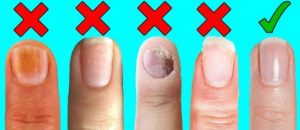
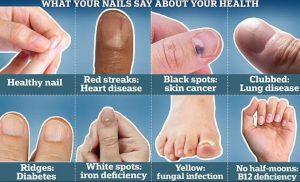
The color, shape, texture, and general appearance of nails can provide valuable diagnostic clues about an individual’s systemic health. Many underlying medical conditions manifest visible changes in the nails, making them an essential aspect of clinical examinations. Understanding these variations can aid in the early detection and management of diseases.
1. Importance of Nail Hygiene
Maintaining proper nail hygiene is crucial for overall health. The accumulation of dirt and debris beneath the nails provides an ideal environment for bacterial and fungal pathogens. In children, poor nail hygiene can lead to parasitic infections, as scratching certain areas can transfer pathogens to the nails and facilitate reinfection. Additionally, long or sharp nails can contribute to skin injuries and exacerbate dermatological conditions.
2. Nail Color Variations and Their Clinical Implications
Nail discoloration is a key indicator of potential systemic or localized conditions: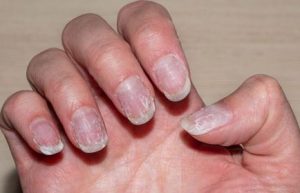
- Pale Nails: Often associated with anemia, malnutrition, or heart disease.
- White Nails (Leukonychia): Can be indicative of chronic kidney disease, hypoalbuminemia, or liver cirrhosis.
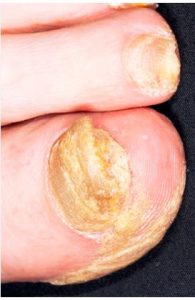
- Yellow Nails: May result from reduced blood circulation, jaundice, or chronic lung diseases. Yellow nail syndrome is characterized by yellowish nails and pleural effusion.
- Blue Nails: A blue tinge may be a sign of Wilson’s disease or cyanosis due to inadequate oxygenation.
- Brown Nails: Frequently linked to kidney disease and adrenal insufficiency.
- Black or Green Nails: Fungal infections can cause black discoloration, while Pseudomonas bacterial infections can lead to green nails.
- Red or Black Spots: Splinter hemorrhages, appearing as tiny red or black streaks, may be seen in bacterial endocarditis, rheumatoid arthritis, trauma, or connective tissue disorders.
3. Nail Shape Abnormalities
Changes in nail shape often reflect systemic conditions:
- Clubbing: Thickened nail tissue at the base leading to a convex shape, commonly associated with chronic lung diseases, Crohn’s disease, ulcerative colitis, and congenital heart defects.
- Koilonychia (Spoon Nails): A concave nail shape often caused by iron deficiency anemia.
- Longitudinal Ridging: Frequently observed in Raynaud’s disease.
- Ragged Cuticles: A sign of dermatomyositis.
- Nail Fold Telangiectasia: Present in autoimmune diseases such as lupus and systemic sclerosis.
4. Structural and Consistency Changes in Nails
Alterations in the texture and consistency of nails can be indicative of specific health issues:
- Fungal Infections: Result in nail discoloration, thickening, brittleness, and deformation.
- Nail Pitting: Small depressions in the nail surface, characteristic of psoriasis, eczema, and alopecia areata.
- Paronychia: Inflammation of the nail fold, usually caused by bacterial or fungal infections.
- Onycholysis: Separation of the nail from the nail bed, commonly associated with psoriasis and thyroid disorders.
- Brittle Nails: Can be linked to Raynaud’s disease and systemic conditions affecting circulation.
- Nail Shedding: Observed in cases of severe fungal infections, psoriasis, and hypothyroidism.
5. Nail Growth Patterns and Health Indicators
Nail growth can be influenced by several factors, including:
- Circulation: Poor blood flow can slow nail growth.
- Systemic Illness: Severe illnesses may temporarily halt nail growth, leading to the formation of Beau’s lines—transverse ridges that help estimate the onset of the illness.
- Metabolic Rate: Conditions such as hyperthyroidism can accelerate nail growth, whereas hypothyroidism slows it down.
Nutritional Factors Influencing Nail Health
Diet plays a significant role in maintaining strong, healthy nails. Deficiencies in essential nutrients can lead to brittle, weak nails. Incorporating nutrient-rich foods into daily meals can promote nail strength and prevent abnormalities. Key nutrients include:
- Biotin: Essential for keratin production, found in eggs, nuts, and beef liver.
- Iron: Crucial for oxygen transport, found in leafy greens, red meat, and lentils.
- Omega-3 Fatty Acids: Support nail hydration and flexibility, present in fatty fish like salmon and flaxseeds.
- Zinc: Aids in tissue growth and repair, found in shellfish, seeds, and legumes.
- Protein: Essential for keratin synthesis, obtained from lean meats, dairy, and plant-based sources like quinoa.
Conclusion
Nails are more than just aesthetic features; they provide significant insights into overall health. By paying attention to changes in nail color, shape, texture, and growth patterns, individuals can detect potential health concerns early. Proper nail hygiene, a nutrient-rich diet, and regular monitoring can help maintain healthy nails and prevent underlying medical conditions.
How to Comb Your Hair the Right Way