
 By admin
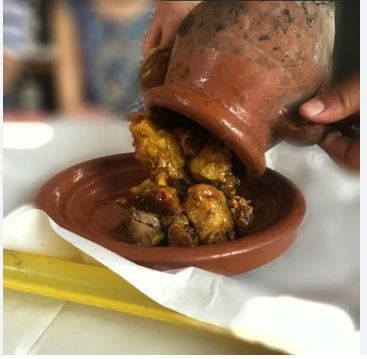
The Marrakech Tanjia is one of Morocco’s most iconic and beloved dishes, steeped in tradition and culture. Originating in the vibrant city of Marrakech, this slow-cooked delicacy embodies the rich culinary heritage of the region. The Tanjia is not just a meal; it is an experience that reflects the communal spirit and hospitality of Moroccan culture. Prepared using a unique clay pot and simple yet flavorful ingredients, the Marrakech Tanjia is a testament to the art of slow cooking. This article explores the origins of Tanjia, its cultural significance, and a step-by-step guide to preparing this exquisite dish.
The Origins and Cultural Significance of Tanjia
The Marrakech Tanjia derives its name from the earthenware pot in which it is traditionally cooked. Shaped like an amphora, the Tanjia pot is specifically designed to withstand the long hours required for the dish’s preparation. Historically, Tanjia was considered a bachelor’s dish, often prepared by men for gatherings or special occasions. It is commonly associated with leisurely Friday afternoons, a time for relaxation and camaraderie in Moroccan households.
Tanjia is deeply rooted in the communal traditions of Marrakech. Unlike other Moroccan dishes cooked at home, Tanjia is often taken to the local “fernatchi” (public oven) for slow cooking. The fernatchi, powered by the heat generated from hammams (traditional bathhouses), provides a consistent temperature ideal for the long, slow process that gives Tanjia its tender texture and rich flavor.
Key Ingredients of the Marrakech Tanjia
The beauty of the Marrakech Tanjia lies in its simplicity. With just a handful of ingredients, it delivers a depth of flavor that captivates the palate. Here are the essential ingredients used in a traditional Tanjia:
- Meat: The most common choice is lamb or beef, preferably cuts with some fat to enhance the dish’s richness.
- Preserved Lemon: A quintessential Moroccan ingredient that adds a tangy, slightly salty dimension.
- Garlic: Whole cloves are used to infuse the meat with a robust aroma.
- Spices: A blend of cumin, turmeric, saffron, and ground ginger forms the backbone of Tanjia’s distinctive flavor.
- Olive Oil: High-quality Moroccan olive oil is essential for achieving the dish’s luscious texture.
- Smen: A type of aged, fermented butter that provides a unique depth and complexity.
- Water: Added sparingly to ensure the meat cooks in its own juices.
How to Prepare the Marrakech Tanjia
Preparing a Marrakech Tanjia is both an art and a ritual. Follow this detailed guide to create an authentic Tanjia that captures the essence of Marrakech:
Step 1: Gather the Ingredients
To prepare Tanjia, you will need the following:
- 1.5 kg (3.3 lbs) of lamb or beef (shoulder, shank, or leg cuts work best)
- 2 preserved lemons, quartered
- 6-8 whole garlic cloves, peeled
- 2 teaspoons ground cumin
- 1 teaspoon ground turmeric
- A pinch of saffron threads (soaked in warm water)
- 1 teaspoon ground ginger
- 2 tablespoons olive oil
- 1 tablespoon smen (optional but recommended for authenticity)
- 1/4 cup water
- Salt and black pepper to taste
Step 2: Assemble the Ingredients in the Tanjia Pot
Layer the meat at the bottom of the Tanjia pot. Add the preserved lemons, garlic, and spices. Drizzle the olive oil and smen over the meat, then pour in the saffron-infused water and the 1/4 cup of additional water. Sprinkle salt and black pepper as desired. Ensure the ingredients are evenly distributed for consistent flavor.
Step 3: Seal the Pot
Cover the Tanjia pot with parchment paper or aluminum foil, then secure it with a string or lid. This step is crucial to trap the steam and preserve the flavors during the slow cooking process.
Step 4: Cook at the Fernatchi
Traditionally, the sealed Tanjia pot is taken to the local fernatchi, where it is placed in the ashes of a wood-fired oven. The slow cooking process, which takes anywhere from 6 to 8 hours, allows the meat to become tender and infused with the rich flavors of the spices and preserved lemon.
If you don’t have access to a fernatchi, you can replicate the process at home. Place the sealed Tanjia pot in an oven preheated to 130°C (265°F) and cook for 6-8 hours. Check occasionally to ensure the meat remains moist and tender.
Step 5: Serve and Enjoy
Once cooked, the Tanjia is ready to be served. Transfer the meat and sauce to a large serving dish and garnish with fresh herbs, such as cilantro or parsley, if desired. Tanjia is traditionally enjoyed with Moroccan bread, which is perfect for soaking up the flavorful sauce.
Tips for Perfecting Your Marrakech Tanjia
- Choose Quality Ingredients: The quality of the meat and spices greatly influences the final result. Opt for fresh, high-quality ingredients for the best flavor.
- Marinate Overnight: For an even richer taste, marinate the meat with the spices and preserved lemon the night before cooking.
- Cook Low and Slow: Patience is key to achieving the tender, melt-in-your-mouth texture that defines a good Tanjia.
- Embrace the Ritual: Involve friends or family in the preparation process to honor the communal spirit of the dish.
The Cultural Experience of Tanjia
Preparing and enjoying Marrakech Tanjia is more than just a culinary activity; it’s a cultural journey. The process reflects the values of patience, collaboration, and appreciation for simple yet profound flavors. Sharing Tanjia with loved ones around a communal table embodies the warmth and hospitality for which Moroccan culture is renowned.
Conclusion
The Marrakech Tanjia is a culinary masterpiece that encapsulates the rich traditions and flavors of Moroccan cuisine. Its unique preparation method, combined with its simple yet aromatic ingredients, makes it a dish that stands out in the world of gastronomy. Whether you prepare it at home or savor it in the vibrant streets of Marrakech, Tanjia offers an unforgettable taste of Morocco’s cultural and culinary heritage. By embracing the art of slow cooking and using authentic ingredients, you can recreate this iconic dish and experience the magic of Marrakech from anywhere in the world.