
 By admin
Introduction
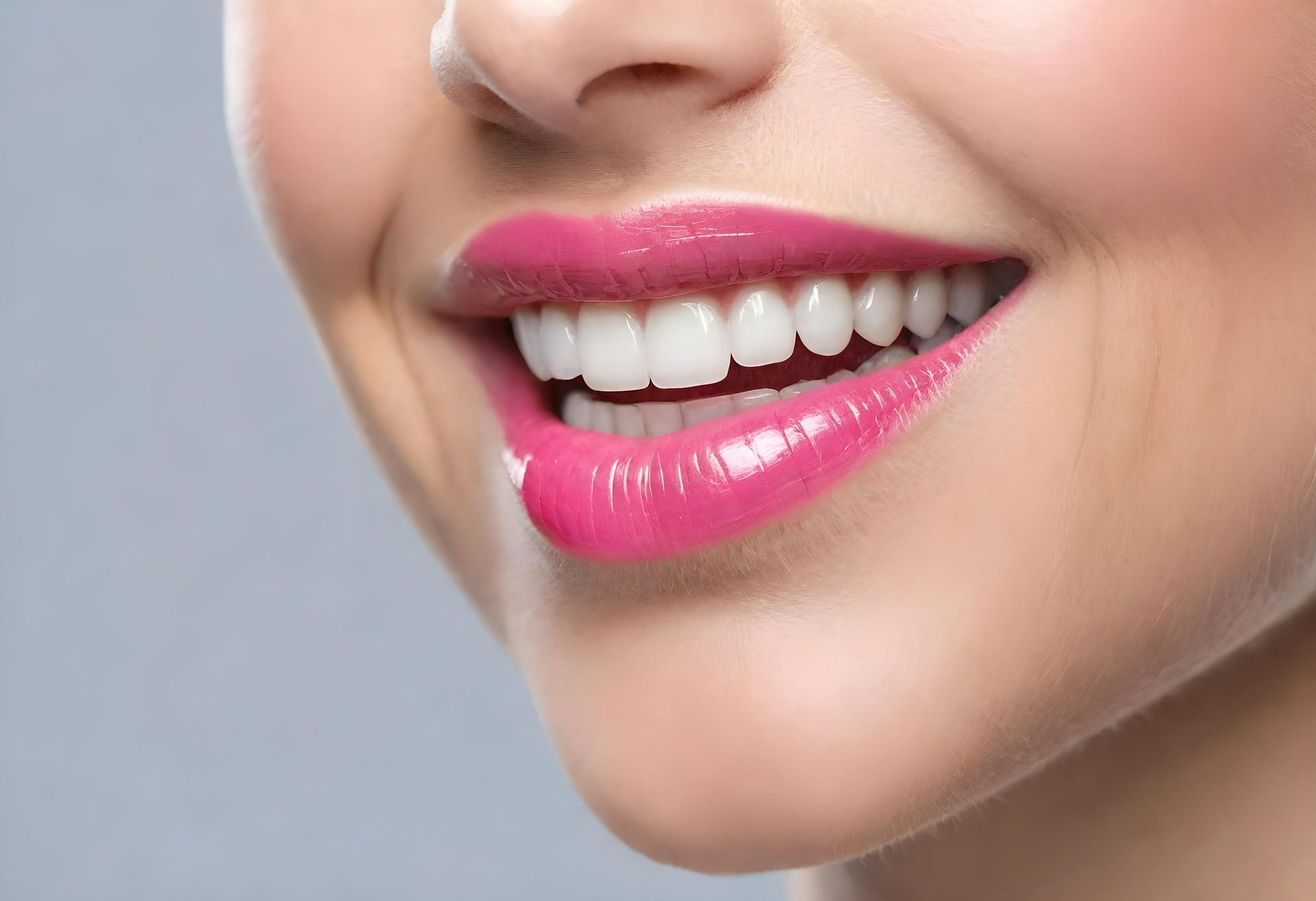
In a world where first impressions often hinge on appearances, having a confident smile is more important than ever. Enter aesthetic dentistry—a rapidly advancing field that merges art and science to create flawless smiles. Whether it’s correcting misaligned teeth, whitening discolored enamel, or reshaping uneven gum lines, modern aesthetic dentistry offers solutions that were once the stuff of dreams.
No longer just a luxury for celebrities or the wealthy, aesthetic dental procedures are now accessible to millions around the globe. From teenagers in need of braces to adults seeking veneers, the demand for aesthetic improvements to one’s teeth continues to rise. But what exactly is aesthetic dentistry? How has it evolved, and what should you know before considering it? Let’s explore the world of cosmetic dentistry and why it’s more relevant—and more advanced—than ever before.
The Basics of Aesthetic Dentistry
What Is Aesthetic Dentistry?
Aesthetic dentistry, often referred to as cosmetic dentistry, encompasses all dental work that enhances the appearance of a person’s teeth, gums, or bite. It focuses on improving dental aesthetics in terms of color, position, shape, size, alignment, and overall smile appearance.
Common Procedures in Aesthetic Dentistry
-
Teeth Whitening – One of the most popular and non-invasive treatments, whitening removes stains and discoloration to restore a bright, clean look.
-
Braces and Clear Aligners – Traditional metal braces and modern clear options like Invisalign help correct misaligned or crowded teeth.
-
Dental Veneers – Thin porcelain shells placed over the front of the teeth to improve shape, color, and spacing.
-
Bonding – A tooth-colored resin used to fix chips, cracks, or gaps.
-
Gum Contouring – A procedure to reshape the gum line, making teeth appear more symmetrical.
-
Dental Implants – Artificial tooth roots used to support crowns, bridges, or dentures, offering a natural-looking replacement for missing teeth.
Why Do So Many People Need Aesthetic Dentistry?
The Genetics of Crooked Teeth
Unlike our limbs or eyes that develop relatively symmetrically, teeth are subject to more variability in growth and alignment. Factors such as jaw size, genetics, and childhood habits (like thumb-sucking or pacifier use) can affect how teeth grow.
Interestingly, modern diets that consist of soft, processed foods have led to reduced jaw development, resulting in crowded or misaligned teeth—a phenomenon widely discussed in dental anthropology. Our ancestors had wider jaws from chewing tough foods, which helped their teeth come in straighter.
Lifestyle and Environmental Factors
-
Poor dental hygiene in childhood can lead to decayed or damaged teeth, requiring restoration later.
-
Injuries or trauma to the face and jaw may affect tooth alignment.
-
Dietary habits—especially consumption of coffee, wine, or tobacco—can discolor teeth, increasing the need for aesthetic treatment.
-
Stress-induced grinding (bruxism) can wear down or misalign teeth over time.
The Evolution of Aesthetic Dentistry
Past vs. Present: A Rapid Transformation
Even a few decades ago, aesthetic dentistry was far less sophisticated. Braces were bulky, whitening agents were harsh, and veneers looked unnatural. Fast forward to today, and the landscape has changed dramatically.
Key Advances in Aesthetic Dentistry:
-
3D imaging and digital impressions allow for highly customized treatment plans.
-
Laser dentistry offers precise gum reshaping and teeth whitening with less discomfort.
-
Clear aligners like Invisalign have replaced traditional braces for many patients.
-
Biocompatible materials now offer safe, durable, and natural-looking restorations.
-
AI and virtual smile design software help patients preview their results before treatment even begins.
These technologies not only make treatments faster and less painful but also significantly reduce recovery times and improve long-term results.
The Cost Factor
While aesthetic dentistry can be expensive—especially procedures like veneers or implants—the long-term benefits often outweigh the cost. Many dental offices now offer financing options, payment plans, or dental tourism packages that make cosmetic procedures more accessible.
Aesthetic Dentistry for Different Age Groups
Children and Teenagers
Early orthodontic assessment can prevent more severe misalignments later. Braces, palate expanders, or clear aligners are common interventions in childhood and adolescence.
Adults
Many adults now seek aesthetic dentistry to correct issues they couldn’t afford or prioritize earlier in life. Adult orthodontics, whitening, veneers, and implants are popular among professionals looking to boost confidence.
Seniors
As dental health deteriorates with age, older adults often opt for implants, dentures, or full-mouth restorations that improve both appearance and functionality.
Benefits Beyond Appearance
Improved Confidence and Self-Esteem
A healthy, attractive smile can drastically improve a person’s self-image and social interactions. Whether it’s job interviews, dating, or public speaking, people with radiant smiles tend to feel more confident and are often perceived as more trustworthy and successful.
Better Oral Health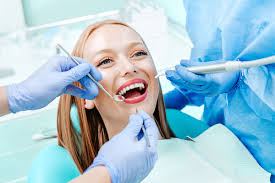
Aesthetic dentistry often overlaps with restorative dentistry. Fixing crooked teeth can lead to easier cleaning, reducing the risk of cavities and gum disease. Correcting bite issues can also prevent jaw pain and headaches.
Enhanced Quality of Life
From chewing efficiently to speaking clearly, the improvements go beyond skin deep. Aesthetic dental treatments can restore function and prevent future complications, enhancing overall well-being.
What to Consider Before Choosing Aesthetic Dental Procedures
Consultation and Diagnosis
Always start with a comprehensive dental exam. A qualified dentist will evaluate your oral health, discuss your goals, and recommend appropriate treatments.
Choosing the Right Professional
Not all dentists specialize in aesthetic procedures. Look for practitioners with certifications in cosmetic dentistry, years of experience, and before-and-after galleries of real patients.
Risks and Limitations
While modern procedures are generally safe, some treatments like whitening or veneers can lead to tooth sensitivity or irreversible enamel loss if not done properly. Always seek a second opinion if unsure.
Future Trends in Aesthetic Dentistry
The future of cosmetic dentistry looks incredibly promising. Emerging technologies such as nano-dentistry, regenerative dental treatments, and AI-driven smile simulations are set to revolutionize the industry.
Expect more minimally invasive procedures, faster recovery times, and greater personalization. Soon, your perfect smile could be just a few virtual clicks and a short visit away.
Conclusion
Aesthetic dentistry has come a long way from the clunky metal braces and overly white caps of the past. Today, it’s a sophisticated blend of science, artistry, and technology that empowers individuals to feel more confident and lead healthier lives. Whether you’re dealing with crooked teeth, discoloration, or missing teeth, modern aesthetic dentistry offers safe, effective, and increasingly affordable solutions.
If you’ve ever hesitated to smile in photos or felt self-conscious about your teeth, it may be time to explore what aesthetic dentistry can do for you. In an age where your smile is your signature, why not make it unforgettable?
Featherbed vs. 1000 Thread Count Sheets