
 By admin

Infant Colic: Causes, Symptoms, and Effective Strategies for Relief
Introduction
Infant colic is one of the most common challenges new parents face during the first months of their baby’s life. Characterized by frequent crying, restlessness, and apparent abdominal discomfort, colic can be distressing for both infants and caregivers. Although colic is not a dangerous condition, it often creates significant stress within families, leading to sleepless nights and feelings of helplessness.
Over the years, pediatricians and researchers have sought to understand the causes of colic and identify safe ways to ease discomfort. While there is no single “cure,” recent studies highlight the role of gut health, feeding practices, parental well-being, and environmental factors. This article explores the causes of infant colic, how it affects babies and families, and practical evidence-based strategies to reduce symptoms and bring relief.
Understanding Infant Colic
What Is Colic?
Colic is defined as frequent, prolonged, and intense crying in an otherwise healthy baby. According to the “rule of three” often cited by pediatricians, colic is diagnosed when:
- The baby cries for more than three hours a day,
- For more than three days a week,
- For at least three weeks in a row.
Colic typically begins around two to three weeks of age, peaks at about six weeks, and usually subsides by three to four months. Although temporary, the condition can create significant challenges for parents, particularly first-time caregivers who may feel anxious about their baby’s health.
Symptoms of Infant Colic
While crying is the most obvious symptom, colicky babies may also display:
- Tightening of the abdominal muscles
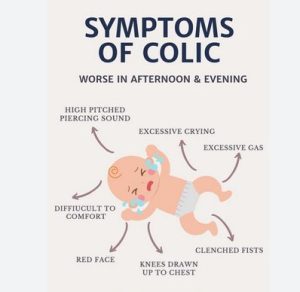
- Clenched fists
- Arched back
- Red or flushed face
- Difficulty settling despite feeding or soothing
These symptoms usually appear in the late afternoon or evening, though they can occur at any time.
Causes of Infant Colic
The exact cause of colic remains unclear, but experts agree it is likely the result of multiple factors. Some of the most researched causes include:
1. Immaturity of the Digestive System
Newborns are still developing their digestive systems, which can make it difficult for them to process certain nutrients efficiently. This immaturity often leads to gas buildup, abdominal discomfort, and excessive crying.
2. Gut Microbiome Development
Recent studies have shown that the composition of a baby’s gut microbiota plays a crucial role in digestion and immune system development.
- Vaginal birth: Babies born naturally are exposed to their mother’s vaginal microbiota, which promotes healthy gut bacteria.
- Cesarean section: Babies delivered via C-section may have delayed colonization of beneficial bacteria, making them more prone to digestive issues and colic.
3. Feeding Practices and Lactose Intolerance
- Breastfeeding: Breast milk contains enzymes and bioactive compounds that help babies digest lactose and strengthen gut health.
- Formula feeding: Some infants fed with standard formulas may struggle with lactose digestion or lack exposure to beneficial probiotics, contributing to colic symptoms.
- Food sensitivities: In rare cases, infants may be sensitive to proteins in cow’s milk or other formula ingredients.
4. Maternal Diet and Stress
A mother’s diet during breastfeeding can affect the baby’s digestive comfort. Foods such as caffeine, spicy dishes, or dairy sometimes contribute to gas and irritability in infants. Additionally, maternal stress and anxiety can influence both milk production and the overall family environment, indirectly worsening colic symptoms.
5. Environmental and Emotional Factors
Infants are highly sensitive to their surroundings. Overstimulation from noise, bright lights, or constant handling can lead to irritability. A tense household environment may also amplify a baby’s discomfort, as infants are responsive to emotional cues from caregivers.
Practical Strategies to Soothe Infant Colic
While colic often resolves naturally over time, several approaches can provide comfort and reduce the severity of symptoms.
1. Feeding-Related Interventions
- Proper positioning: Holding the baby upright during and after feedings helps reduce air intake and minimize gas buildup.
- Burping frequently: Gentle burping after every few minutes of feeding prevents trapped air in the stomach.
- Switching formulas: For formula-fed babies, pediatricians may recommend specialized formulas containing probiotics or hydrolyzed proteins.
2. Probiotics for Gut Health
Emerging research suggests that probiotics, particularly Lactobacillus reuteri, may improve colic symptoms by promoting a healthier gut microbiome. These are available in certain formulas or as pediatric probiotic drops recommended by healthcare providers.
3. Comforting Techniques
- Swaddling: Wrapping the baby snugly in a blanket can mimic the womb environment and provide security.
- Gentle rocking or motion: Using a rocking chair, stroller, or baby swing can help soothe crying.
- White noise or lullabies: Background sounds such as soft music or white noise machines create a calming effect.
- Warm baths: A warm bath can relax the baby’s muscles and reduce discomfort.
4. Tummy Time and Gentle Massage
Placing the baby on their stomach for short supervised sessions helps release gas and strengthens core muscles. Gentle abdominal massage with circular motions can also ease bloating and tension.
5. Managing Parental Stress
Colic does not only affect babies—it significantly impacts parents’ emotional well-being. To prevent burnout:
- Take turns with caregiving responsibilities.
- Reach out to family or support groups for help.
- Practice relaxation techniques such as deep breathing or mindfulness.
- Consult a pediatrician for reassurance and medical guidance.
When to See a Pediatrician
Although colic is generally harmless, parents should seek medical advice if:
- The baby’s crying is accompanied by fever, vomiting, diarrhea, or poor weight gain.
- The infant refuses to feed or shows signs of dehydration.
- Symptoms persist beyond four months of age.
A pediatric evaluation ensures that the crying is not caused by other underlying medical conditions such as acid reflux, food allergies, or infections.
Long-Term Outlook
The reassuring news for parents is that infant colic is a temporary condition. Most babies outgrow it by the age of four to six months as their digestive and nervous systems mature. Furthermore, there is no evidence that colic has long-term negative effects on a child’s health. In fact, research suggests that with proper parental support and stress management, families can navigate this stage successfully without lasting consequences.
Conclusion
Infant colic, while stressful and exhausting, is a common developmental phase rather than a disease. It is closely linked to the immaturity of the digestive system, gut microbiota development, feeding practices, and environmental factors. While there is no universal cure, simple measures such as proper feeding techniques, probiotic supplementation, comforting strategies, and parental stress management can significantly ease the situation.
Parents should remember that colic usually resolves naturally within a few months. However, consulting a pediatrician is always the best course of action to rule out other conditions and to receive personalized advice. With patience, support, and the right strategies, families can navigate this challenging phase and look forward to more peaceful, joyful moments with their baby.
Why Combining Diet and Exercise Works Best