
 By admin
Teaching a Child to Walk: A Comprehensive Guide
The Importance of Physical Activity in Infants
Physical activity plays a crucial role in an infant’s overall health and development. From birth, an infant’s initial form of exercise comes through gentle movements in the arms of a caregiver. As the baby grows and begins to stay awake for longer periods during the day, they naturally engage in spontaneous physical activity such as rolling and kicking on a soft surface like a crib or sofa. These early movements help in developing muscle coordination and strength. Additionally, exposure to fresh air and natural surroundings enhances their overall well-being. However, when it comes to learning how to walk, parents and caregivers must be cautious about the methods they use to support their child’s mobility.
The Risks of Premature Walking Aids
Many well-meaning parents may opt for tools such as walkers, go-carts, or leading strings to assist their child in walking. While these devices may seem beneficial, they often do more harm than good. The bones of an infant are still soft and malleable, and forcing them to bear weight too soon can lead to various physical deformities, including:
- Flat chest and restricted lung development
- Spinal misalignment
- Bowed or deformed legs
Scientific studies indicate that premature use of walking aids places undue stress on a baby’s skeletal structure, increasing the risk of curvature and distortion of the bones. Parents should therefore allow walking to occur naturally rather than trying to accelerate the process.
Understanding the Natural Walking Progression
A child instinctively learns to walk by following a natural progression of movements. The sequence generally unfolds as follows:
- Crawling: This is a critical stage where the baby strengthens their core muscles and limbs without putting undue pressure on their bones.
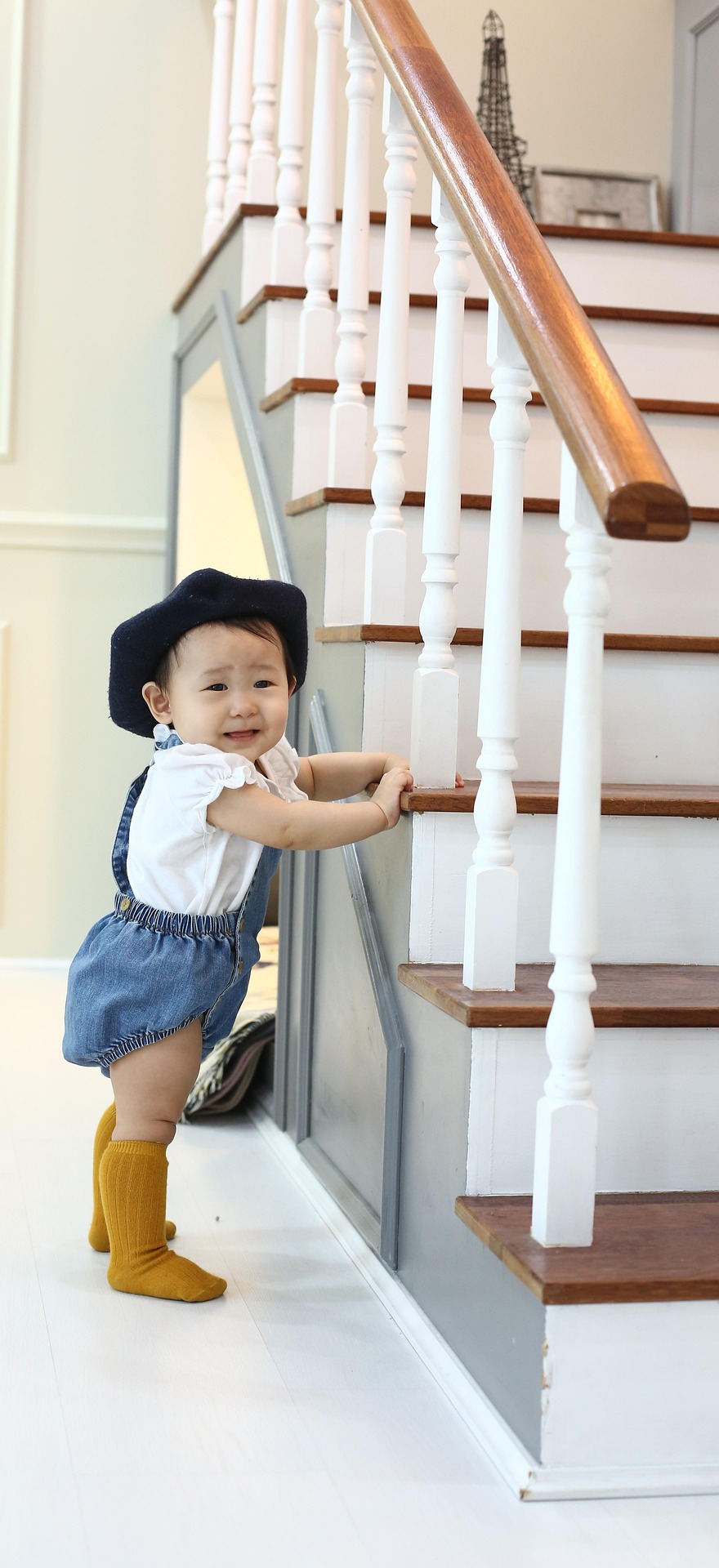
- Pulling Up: Babies will start pulling themselves up using furniture for support, which helps develop leg strength.
- Standing: Initially, they will rely on support, but eventually, they learn to stand without assistance.
- Balancing: As they gain confidence, they practice standing on their own, often showing excitement and pride in their achievement.
- First Steps: With improved balance, they take cautious, supported steps before progressing to independent walking.
- Walking Independently: After multiple attempts and continuous strengthening of their muscles and bones, they finally master walking unassisted.
This self-directed learning process ensures that the child’s body is adequately prepared to support their weight, reducing the risk of bone deformities.
How to Support a Child’s Walking Journey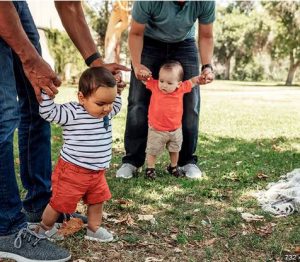
Instead of relying on walking aids, parents can take the following measures to encourage their child’s natural walking development:
- Encourage Crawling: Allow the child to crawl as much as possible, as it helps build a strong foundation for walking.
- Provide a Safe Environment: Baby-proof the house and provide stable furniture that the child can use to pull themselves up.
- Use Interactive Play: Games that involve reaching for objects or standing with minimal support can be beneficial.
- Avoid Overexertion: Let the child set their own pace, avoiding unnecessary pressure or prolonged standing attempts.
- Ensure Proper Nutrition: A balanced diet rich in calcium and vitamin D supports bone and muscle development.
Correcting Early Walking Issues
If a child exhibits signs of walking difficulties, such as bowlegs or unstable posture, corrective measures should be taken. One effective approach is limiting their standing time and using methods that allow the legs to develop properly, such as:
- Leg Support Stockings: Placing both legs in a loose-fitting stocking can prevent premature weight-bearing while still allowing movement.
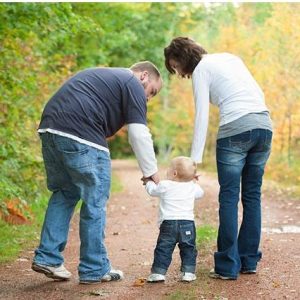
- Cold Water Therapy: Bathing in cool water or using cold saltwater sponging can promote muscle strength and resilience.
- Consulting a Pediatrician: Seeking professional advice can help address any structural concerns before they become permanent issues.
Exercise During Childhood
Once a child has successfully transitioned to walking, engaging in regular physical activities becomes essential. Outdoor play and exploration allow children to develop resilience against environmental factors and improve their overall stamina. Some key benefits of exercise during childhood include:
- Enhanced muscle coordination and flexibility
- Strengthened immune system
- Increased bone density
- Better respiratory function
Recommended Physical Activities for Children
For children who may be weaker or have specific health conditions, alternative exercises can be beneficial. Some of the best forms of exercise for young children include: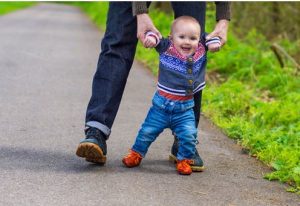
- Outdoor Play: Running, jumping, and playing with peers help in overall development.
- Swimming: A low-impact activity that strengthens muscles without straining the bones.
- Horseback Riding: Ideal for children with respiratory concerns, as it enhances lung function and posture.
Studies have shown that horseback riding, in particular, is effective in preventing pulmonary complications in children predisposed to respiratory issues. This activity ensures deep breathing, which improves oxygen circulation and strengthens lung capacity.
Conclusion
Teaching a child to walk is a process that should be approached with patience and care. Parents should avoid artificial aids and instead allow their child to develop walking skills naturally. By ensuring a supportive and safe environment, encouraging crawling, and promoting healthy movement, parents can facilitate a strong foundation for their child’s physical development. Regular physical activity during childhood is equally important for long-term health and should be encouraged in a way that aligns with the child’s natural abilities.
The Benefits of Fresh Air for Babies