
 By admin
How We Discovered That Food Contains Vitamins and Why They Are Essential for Health
Introduction
The discovery that food contains vitamins and that these micronutrients are essential for human health stands as one of the most remarkable scientific milestones of the 20th century. Before vitamins were identified, many diseases now easily preventable were mysterious and deadly. Sailors lost their lives to scurvy, children suffered from rickets, and populations around the world battled illnesses caused by deficiencies in nutrients they did not even know existed.
Today, vitamins are universally recognized as fundamental components of human nutrition. They are required in small amounts, yet their absence can lead to serious metabolic dysfunction, immune system failure, and developmental disorders. The journey toward understanding vitamins—what they are, how they were discovered, and why they matter—offers a fascinating look at how curiosity, experimentation, and global scientific collaboration shaped modern nutrition science.
1. The World Before Vitamins: A History of Nutritional Mystery
1.1 Early Understanding of Food and Health
For most of human history, people associated food with strength and survival but lacked knowledge of the microscopic substances that made food truly nourishing. Ancient civilizations like the Greeks and Egyptians recognized that diet influenced health. Hippocrates, the “father of medicine,” famously declared, “Let food be thy medicine and medicine be thy food.” Yet, without modern chemistry or biology, these early thinkers could only speculate about why some foods seemed to heal while others led to sickness.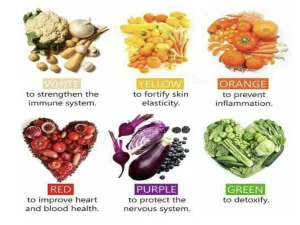
1.2 Epidemics of Deficiency: The Case of Scurvy and Beriberi
In the Age of Exploration (15th–18th centuries), sailors on long voyages began to suffer and die from mysterious diseases. Scurvy—marked by bleeding gums, weakness, and eventual death—claimed more lives than shipwrecks or warfare. The cure, as discovered by British naval surgeon James Lind in 1747, was citrus fruit. However, Lind did not know that oranges and lemons contained vitamin C (ascorbic acid); the concept of vitamins was still more than a century away.
Similarly, beriberi, a neurological disorder causing muscle weakness and paralysis, was rampant in populations relying heavily on polished white rice. In the late 19th century, Dutch physician Christiaan Eijkman discovered that chickens fed polished rice developed symptoms of beriberi, while those fed unpolished rice remained healthy. His observations hinted that the rice husk contained a vital substance—later identified as vitamin B1 (thiamine).
These early findings laid the groundwork for a new understanding of food beyond calories and macronutrients.
2. The Birth of Vitamin Science
2.1 The Concept of “Vital Amines”
The term vitamin originated from the Polish biochemist Casimir Funk in 1912. While studying beriberi, Funk successfully isolated a compound from rice bran that cured the disease in pigeons. Believing it to be an amine essential for life, he coined the term “vitamine” — from vital and amine. Later, when scientists discovered that not all of these compounds contained an amine group, the final “e” was dropped, and the term became “vitamin.”
This discovery marked a turning point. Scientists now realized that food contained previously unknown organic compounds that were essential for preventing disease and maintaining life.
2.2 The Golden Age of Vitamin Discovery (1910–1940)
Between 1910 and 1940, the foundations of vitamin science were laid. Researchers identified and classified most of the vitamins we know today:
- Vitamin A (for vision and immune health) was isolated from butterfat and fish liver oil.
- Vitamin D (for bone growth and calcium absorption) was discovered through studies on rickets.
- Vitamin E (as a reproductive nutrient) and Vitamin K (for blood clotting) were found through animal experiments.
- The B-complex vitamins were separated into individual compounds, each with unique metabolic functions.
This period revolutionized not only nutrition but also public health policy. Governments began fortifying foods, such as adding iodine to salt and vitamin D to milk, drastically reducing deficiency diseases in industrialized nations.
3. Understanding What Vitamins Do: The Biochemistry of Health
3.1 Vitamins as Coenzymes and Regulators
Biochemically, most vitamins act as coenzymes—molecules that assist enzymes in catalyzing chemical reactions vital to life. Without these helpers, the body’s metabolism would slow to a halt.
- Vitamin B1 (Thiamine) helps convert carbohydrates into energy.
- Vitamin B6 (Pyridoxine) supports amino acid metabolism.
- Vitamin C (Ascorbic acid) is critical for collagen synthesis and immune defense.
- Vitamin D acts more like a hormone, regulating calcium levels and influencing gene expression.
3.2 Fat-Soluble vs. Water-Soluble Vitamins
Vitamins are classified into two main groups: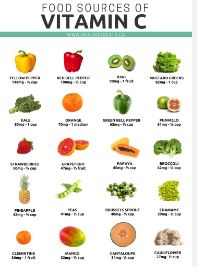
- Fat-soluble vitamins (A, D, E, K): Stored in the liver and fatty tissues; excess can be toxic.
- Water-soluble vitamins (B-complex, C): Not stored in large amounts and must be consumed regularly.
This classification affects how vitamins are absorbed, transported, and utilized in the body, guiding dietary recommendations and supplement design.
4. How Scientists Proved Vitamins Were Essential
4.1 Experimental Diet Studies
The proof that vitamins were essential came from carefully controlled animal and human experiments. In early 20th-century laboratories, scientists fed animals purified diets containing only known macronutrients (carbohydrates, proteins, fats) and minerals. When the animals failed to thrive, researchers added small extracts from natural foods—and the subjects recovered.
These experiments demonstrated that “accessory food factors,” as they were first called, were indispensable for normal growth and survival.
4.2 The Role of Epidemiology and Public Health
Observational studies also provided powerful evidence. Populations consuming unvaried diets—such as sailors, prisoners, or impoverished communities—were more likely to develop deficiency diseases. When new foods or supplements rich in certain vitamins were introduced, symptoms disappeared.
This evidence, combined with biochemical isolation and synthesis of individual vitamins, confirmed that these micronutrients were not optional but vital to life—hence the name “vitamins.”
5. Vitamins and Modern Medicine
5.1 From Deficiency Prevention to Optimal Health
In the early years, the goal of vitamin research was simply to prevent deficiency diseases like scurvy and rickets. Today, scientists explore how vitamins contribute to optimal health—including cellular repair, immune support, cognitive function, and even longevity.
For example:
- Vitamin D has been linked to immune resilience and mental health.
- Vitamin B12 and folate are critical for DNA synthesis and neurological health.
- Vitamin C functions as an antioxidant, neutralizing harmful free radicals.
5.2 The Role of Vitamins in Disease Prevention
Modern studies continue to investigate the role of vitamins in preventing chronic diseases such as cardiovascular disease, cancer, and diabetes. While excessive supplementation remains controversial, balanced intake through a diverse diet is widely recognized as protective.
5.3 Advances in Analytical Technology
With innovations like high-performance liquid chromatography (HPLC) and mass spectrometry, scientists can now measure vitamin concentrations with extraordinary precision. These tools help assess nutritional status, guide public health interventions, and monitor population health trends globally.
6. The Ongoing Evolution of Nutritional Science
6.1 Genetic and Epigenetic Insights
Recent research explores how individual genetic differences affect vitamin metabolism—a field known as nutrigenomics. Some people, for instance, have genetic variants that reduce their ability to convert beta-carotene into vitamin A or absorb vitamin D efficiently. Personalized nutrition aims to tailor vitamin intake to one’s genetic makeup for maximum health benefits.
6.2 Synthetic and Bioengineered Vitamins
Today, many vitamins are produced synthetically or through bioengineering. For example, vitamin B12 is synthesized using bacterial fermentation, and vitamin D can be generated from lanolin or yeast. Advances in biotechnology are making these processes more sustainable, ensuring adequate vitamin supply for a growing global population.
6.3 The Future: From Supplements to Smart Nutrition
Emerging fields like precision nutrition and wearable health monitoring may soon allow individuals to track vitamin levels in real-time, adjusting diets automatically. The future of vitamin science is moving from simple deficiency prevention to dynamic, data-driven health optimization.
Conclusion
The discovery that food contains vitamins transformed our understanding of human health and nutrition. From the suffering of sailors on long voyages to the controlled laboratory experiments of the 20th century, humanity’s journey to uncover these vital nutrients is a story of scientific perseverance and curiosity.
Today, vitamins are integral not only to the prevention of disease but also to the pursuit of long-term well-being. They bridge the gap between food and medicine, demonstrating that the smallest molecules can have the largest impact on life. As research continues, the science of vitamins will undoubtedly evolve—revealing even deeper insights into how our bodies interact with the nutrients that sustain them.
Suggested Alternative Titles
- The Hidden Nutrients: How Science Revealed the Power of Vitamins
- From Scurvy to Science: The Discovery of Vitamins and Human Health
- The Birth of Vitamin Science: A Revolution in Nutrition
- Tiny Molecules, Massive Impact: Understanding the Role of Vitamins
- How We Learned That Food Could Heal: The Story of Vitamins