
 By admin
The Global Appeal of Cricket: History, Rules, and Modern Evolution
Introduction
Cricket is more than just a sport—it’s a global cultural phenomenon. From the bustling streets of Mumbai to the serene countryside of England, cricket is a unifying game that transcends national boundaries, languages, and cultures. Originating in England and now played by over 100 countries worldwide, cricket has grown into one of the most-watched and most-loved sports globally. With international tournaments drawing millions of viewers, cricket continues to evolve, adapting to modern technologies and global audiences.
This article delves into the fascinating world of cricket by exploring its origins, rules, player roles, types of matches, its rise in various regions, the impact of technology, and its socio-economic influence. Whether you’re a curious beginner or an ardent fan, this guide offers valuable insights into the enduring charm and growing significance of cricket.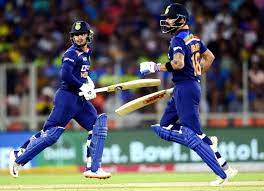
The Historical Origins of Cricket
Early Beginnings in England
Cricket is believed to have originated during the late 16th century in southeastern England. It began as a simple game for children before gaining popularity among adults. By the 17th century, cricket had become a favorite pastime among the English aristocracy.
Institutionalization and Global Spread
The formalization of cricket began in 1744 with the first codified rules. The Marylebone Cricket Club (MCC), founded in 1787, became the custodian of the Laws of Cricket. Through British colonization, cricket spread to countries like India, Australia, South Africa, the West Indies, and New Zealand.
Understanding the Game: Rules and Roles
The Basics of the Game
Cricket is played between two teams of 11 players each on a circular or oval-shaped field with a rectangular 22-yard-long pitch at the center. One team bats, trying to score runs, while the other bowls and fields, trying to restrict runs and dismiss batters.
Key Objectives
-
Batting Team: Score as many runs as possible.

-
Bowling/Fielding Team: Dismiss batters and restrict the score.
Player Roles
-
Batsmen: Aim to score runs by hitting the ball.
-
Bowlers: Deliver the ball to get the batsman out.
-
Wicketkeeper: Positioned behind the stumps to catch missed balls.
-
Fielders: Support bowlers by catching and restricting runs.
Match Formats: Test, ODI, and T20
Test Cricket
Test cricket is the oldest and most traditional form, played over five days. It tests a team’s endurance, skill, and strategy. Countries with “Test status” compete in these matches.
One Day Internationals (ODIs)
ODIs are limited to 50 overs per side and were introduced to provide a quicker, more audience-friendly format. They gained popularity in the 1970s and culminate in the ICC Cricket World Cup, held every four years.
Twenty20 (T20)
T20 cricket is the shortest format, limited to 20 overs per side. Launched in the early 2000s, T20 has revolutionized the game, bringing in younger audiences and enormous broadcasting revenues. The Indian Premier League (IPL) is the flagship T20 league and has become a global entertainment event.
Global Cricket Powerhouses
India
Cricket is a religion in India. With legendary players like Sachin Tendulkar, Virat Kohli, and MS Dhoni, India has dominated the global cricketing landscape. The Board of Control for Cricket in India (BCCI) is the richest cricket board globally.
Australia
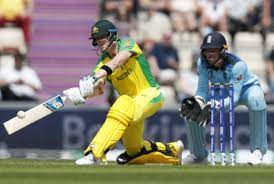
Australia has a storied cricket history and boasts the most Cricket World Cup victories. The country is known for its aggressive playing style and world-class players like Don Bradman, Shane Warne, and Steve Smith.
England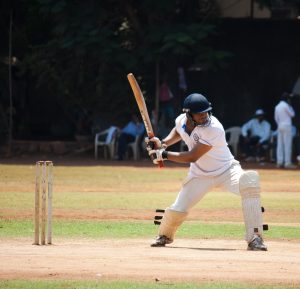
As the birthplace of cricket, England continues to be a strong competitor. The introduction of “The Hundred” format has further diversified the sport in the UK.
Pakistan
Pakistan has produced some of the most skillful cricketers, such as Wasim Akram and Babar Azam. Despite political and security challenges, cricket thrives in the country.
Emerging Nations
Countries like Afghanistan, Ireland, and Nepal are fast-growing cricketing nations, showcasing the sport’s expanding global appeal.
Technology and Innovation in Cricket
Decision Review System (DRS)
The DRS uses ball-tracking technology and ultra-edge detection to assist umpires in making accurate decisions. It has added a layer of fairness and transparency to the game.
Hawk-Eye and Snickometer
These tools help analyze LBW (Leg Before Wicket) appeals and edges with high precision, enhancing the viewer experience and helping commentators provide in-depth analysis.
Wearable Tech and Analytics
Modern cricketers use wearable sensors, GPS tracking, and video analysis to monitor fitness, improve skills, and prevent injuries.
Broadcast and Streaming Advancements
From multi-angle replays to AI-driven match predictions, digital innovations have transformed how fans engage with cricket. Live streaming platforms and cricket apps now bring matches to global audiences in real-time.
The Cultural and Economic Impact of Cricket
Cricket and National Identity
In many countries, cricket is more than a sport—it’s a source of national pride. Victories in major tournaments can unite diverse populations and spark mass celebrations.
Cricket Diplomacy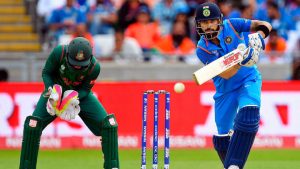
Cricket has also played a role in international diplomacy. Matches between India and Pakistan, for example, carry political and emotional weight far beyond the pitch.
Economic Contribution
The cricket industry generates billions of dollars through sponsorships, media rights, ticket sales, and merchandise. T20 leagues like the IPL, Big Bash, and Caribbean Premier League significantly boost local economies and tourism.
Women’s Cricket
Women’s cricket has gained significant ground over the past decade. With stars like Ellyse Perry, Harmanpreet Kaur, and Heather Knight, the women’s game now enjoys higher visibility, better pay, and growing fanbases.
Cricket and the Youth: A Promising Future
Grassroots Programs
Cricket academies and youth programs are nurturing the next generation of talent. Organizations like the ICC and national boards are investing in grassroots development.
School and University Leagues
Academic institutions now offer professional-level coaching, and inter-school or university leagues provide platforms for young cricketers to shine.
Inclusivity and Accessibility
Cricket is increasingly becoming accessible to all genders and backgrounds. Inclusive leagues and campaigns are pushing boundaries and promoting diversity within the sport.
Environmental Sustainability in Cricket
Green Initiatives
Cricket venues around the world are adopting eco-friendly practices—installing solar panels, reducing plastic use, and conserving water.
Sustainable Equipment
Companies are developing cricket gear using recycled or biodegradable materials, contributing to sustainability efforts.
Challenges and Controversies in Modern Cricket
Match Fixing and Corruption
Despite efforts by the ICC to enforce ethical standards, issues like match-fixing continue to plague the game.
Player Burnout
With the increasing number of tournaments, player fatigue and mental health concerns are becoming more prevalent.
Balancing Tradition and Innovation
While modern formats attract new fans, some critics argue that traditional cricket values are being compromised.
Conclusion
Cricket remains a dynamic, evolving sport that continues to capture hearts worldwide. From its humble beginnings in the fields of England to being a billion-dollar industry, cricket has undergone a transformation like no other sport. It blends strategy, athleticism, and tradition, all while keeping pace with technological and societal shifts. As cricket continues to expand its global footprint, its power to inspire, entertain, and unite people across cultures remains undiminished.
Whether you are an old fan relishing a gripping Test match or a new enthusiast enjoying a quick T20 game, cricket offers something for everyone. The future of cricket is not only bright—it is boundless.
Luka Modrić’s Farewell to Real Madrid