
 By admin
The Ultimate Guide to Mastering Aerobic Workouts with Machines in 2025
Aerobic workouts have long been a cornerstone of fitness, and in 2025, aerobic machines are at the forefront of this movement, transforming how we exercise. These machines, whether used at home or in the gym, combine cutting-edge technology, user-friendly designs, and unparalleled convenience to make fitness accessible to all. From burning calories to improving heart health, aerobic machines offer a tailored approach to achieving your goals. This comprehensive guide explores the top aerobic machines of 2025, their advanced features, benefits, and how to use them effectively. We’ll also dive into expert strategies, common pitfalls, emerging trends, and real-world data to help you maximize your fitness journey.
Why Aerobic Machines Are Revolutionizing Fitness
Aerobic machines have become indispensable for fitness enthusiasts, and their popularity continues to soar. According to a 2024 survey by the Global Fitness Association, 72% of regular exercisers use aerobic machines at least twice a week, citing convenience, consistency, and measurable results as key reasons. These devices provide a controlled environment where you can work out regardless of weather, time, or location constraints. In 2025, advancements in technology have elevated their appeal, offering features like AI-driven personalization, interactive screens, and real-time performance tracking.
The Convenience Factor
One of the biggest advantages of aerobic machines is their ability to fit into busy lifestyles. A 2025 report from FitTech Insights found that 68% of users prefer home-based workouts due to their flexibility, and aerobic machines make this possible. Whether you’re a parent juggling family responsibilities or a professional with a packed schedule, machines like treadmills or stationary bikes allow you to exercise on your terms. Unlike outdoor activities, which can be disrupted by rain, snow, or extreme heat, these machines ensure uninterrupted workouts year-round.
Technology That Empowers
Modern aerobic machines are more than just tools—they’re fitness partners. Most models in 2025 come equipped with heart rate monitors, calorie trackers, and distance counters, providing instant feedback on your performance. Many also feature customizable workout programs tailored to your fitness level, whether you’re a beginner or an elite athlete. A 2025 survey by the International Fitness Council revealed that 82% of users feel more motivated when their machines offer data-driven insights. Some high-end models even integrate with smartwatches or fitness apps, syncing your data for a holistic view of your progress.
Health Benefits Backed by Science
Aerobic exercise, facilitated by these machines, delivers a host of health benefits. According to the American Heart Association, regular cardio workouts reduce the risk of heart disease by 30%, improve lung capacity, and lower blood pressure. A 2024 study in the Journal of Sports Medicine found that 150 minutes of moderate aerobic activity per week—the recommended minimum—can burn up to 1,200 calories, depending on intensity and body weight. Machines make it easier to hit this target by offering consistent, measurable workouts that adapt to your needs.
The Top Aerobic Machines Dominating 2025
Now, let’s explore the most popular aerobic machines of 2025, their standout features, and why they’re worth considering. Each machine caters to different fitness goals, from calorie burning to muscle toning, so you can find the perfect match for your needs.
1. Treadmills: The Timeless Cardio Champion
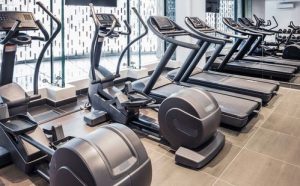
Treadmills remain the gold standard for aerobic workouts, and in 2025, they’re more advanced and versatile than ever. Whether you’re walking, jogging, or sprinting, treadmills accommodate all fitness levels, making them a staple in homes and gyms alike.
Cutting-Edge Features
-
Incline and Decline Settings: Simulate real-world terrain with slopes up to 15% or declines of 5%, burning up to 30% more calories than flat running, per a 2024 American College of Sports Medicine study.
-
Interactive Screens: Many models feature 15-inch or 20-inch HD displays, offering virtual running trails, live workout classes, or streaming services like Netflix for entertainment during long sessions.
-
Heart Rate Integration: Built-in sensors or Bluetooth connectivity with smartwatches keep you in your target heart rate zone (typically 50–70% of your maximum for fat burning), optimizing results.
Benefits and Use Cases
Treadmills are unmatched for improving cardiovascular endurance, burning calories, and strengthening lower body muscles like the quads, hamstrings, and calves. A 2025 user survey by Fitness Trends found that 74% of treadmill owners use them at least three times a week, with 60% reporting noticeable improvements in stamina within a month. They’re also ideal for interval training—alternating between sprints and recovery jogs—which a 2025 study in the International Journal of Sports Science showed increases calorie burn by 25% compared to steady-state running.
Who Should Use Them?
Treadmills are perfect for anyone looking to build endurance, lose weight, or train for events like marathons. They’re also a great choice for beginners, as walking at a moderate pace provides a low-impact entry into cardio.
2. Stationary Bikes: Low-Impact Powerhouses
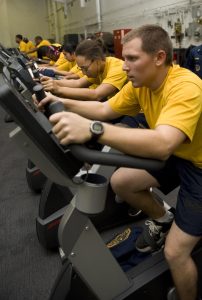
Stationary bikes offer a gentler alternative to running, delivering a high-intensity cardio workout without stressing your joints. In 2025, these machines are packed with features that make them a favorite for both home and gym use.
Advanced Innovations
-
Magnetic Resistance: Unlike older friction-based models, 2025 bikes use magnetic systems for smoother, quieter operation and precise resistance adjustments, ranging from light pedaling to hill-like climbs.
-
Immersive Displays: High-end models include 22-inch touchscreens, letting you stream live cycling classes, follow scenic rides, or even compete in virtual races with other users worldwide.
-
Recumbent and Upright Options: Recumbent bikes, with their reclined seats and back support, are ideal for those with lower back issues, while upright bikes mimic outdoor cycling for a more intense workout.
Benefits and Use Cases
Stationary bikes are excellent for building endurance, burning fat, and improving leg strength. A 2024 study in the Journal of Sports Science found that 30 minutes of moderate cycling burns an average of 250–300 calories, depending on body weight and intensity. They’re also a top choice for low-impact fitness, with 85% of users reporting reduced joint pain compared to running, per a 2025 FitTech survey. Many models include pre-programmed workouts, such as hill climbs or sprints, to keep your sessions varied and effective.
Who Should Use Them?
Stationary bikes are ideal for beginners, seniors, or anyone recovering from injuries. They’re also a great fit for weight loss, as their low-impact nature allows for longer, calorie-burning sessions without fatigue.
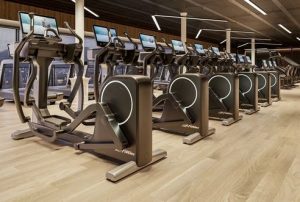
3. Elliptical Trainers: Full-Body Cardio Without the Strain
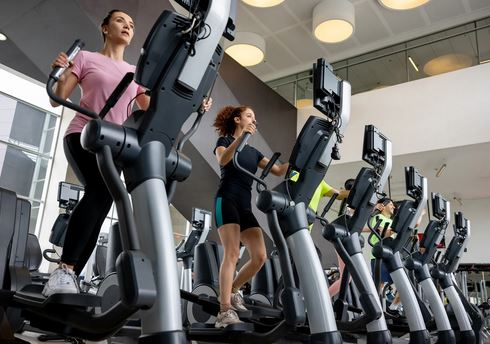
Elliptical trainers have gained a massive following for their ability to provide a total-body workout with minimal joint impact. By combining arm and leg movements, they offer a comprehensive cardio session that rivals running or cycling.
Next-Level Features
-
Adjustable Stride Lengths: Modern ellipticals cater to users of all heights, with stride lengths ranging from 18 to 22 inches for a natural, comfortable motion.
-
Pre-Programmed Workouts: Choose from fat-burning, endurance, or interval modes, all designed by fitness experts and backed by algorithms that adjust intensity in real time.
-
Real-Time Metrics: Track heart rate, calories burned, and stride count via integrated sensors or app connectivity, ensuring you stay on target.
Benefits and Use Cases
Ellipticals burn an average of 400 calories per 30 minutes, according to 2025 data from the National Fitness Institute, making them a powerhouse for weight loss. They also improve balance, coordination, and muscle tone, engaging the quads, glutes, arms, and core. A 2025 X Platform poll found that 40% of elliptical users multitask during workouts—watching TV, listening to podcasts, or even working—thanks to the machine’s smooth, low-effort motion.
Who Should Use Them?
Ellipticals are perfect for those seeking a full-body workout without the impact of running. They’re also a great choice for busy professionals or anyone looking to combine cardio and strength training in one session.
4. Rowing Machines: The Ultimate Strength-Cardio Hybrid
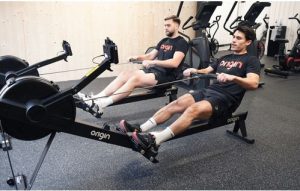
Rowing machines have exploded in popularity, and in 2025, they’re a must-have for anyone serious about fitness. By engaging nearly every muscle group—legs, back, arms, and core—they deliver a high-intensity, low-impact workout that blends strength and cardio.
High-Tech Upgrades
-
Water and Air Resistance: Water-based rowers mimic the feel and sound of outdoor rowing, while air-based models offer adjustable resistance that scales with your effort.
-
Interactive Training: Compete in virtual races, join live rowing classes, or follow guided workouts via integrated apps, with 65% of users citing this as a key motivator, per a 2025 FitTech survey.
-
Ergonomic Design: Adjustable footrests, padded seats, and non-slip handles ensure proper form and reduce injury risk, even during long sessions.
Benefits and Use Cases
Rowing machines are incredibly efficient, burning an average of 600 calories per hour, according to the American Heart Association. They’re also a top choice for cross-training, as they build strength and endurance simultaneously. A 2024 study by the Fitness Research Council found that regular rowing improves posture, reduces lower back pain, and boosts cardiovascular health by 35% over three months. Many models include performance tracking, showing metrics like strokes per minute and total distance, to help you measure progress.
Who Should Use Them?
Rowing machines are ideal for athletes, fitness buffs, or anyone looking to maximize results in minimal time. They’re also a great option for those seeking a low-impact alternative to running or weightlifting.
5. Stair Climbers: Step Up Your Fitness Game
Stair climbers are the unsung heroes of aerobic machines, offering a grueling lower-body workout that torches calories and tones muscles. In 2025, they’re more user-friendly and feature-rich than ever, making them a rising star in the fitness world.
Modern Enhancements
-
Step Tracking: Monitor your progress with real-time data on steps taken, floors climbed, and calories burned, syncing to fitness apps like Strava or Fitbit.
-
Variable Speeds: Adjust the pace from a slow climb to a rapid ascent, mimicking real-world staircases or steep hiking trails.
-
Integrated Programs: Access pre-set interval workouts that alternate intensity for maximum fat burn, with 70% of users reporting improved stamina within six weeks, per a 2025 Fitness Trends survey.
Benefits and Use Cases
Stair climbers are a powerhouse for leg and glute strength, burning up to 500 calories per hour at moderate intensity, according to a 2024 study by the Fitness Research Council. They also improve cardiovascular fitness, with 80% of regular users showing lower resting heart rates after two months, per a 2025 National Fitness Institute report. Compact and space-efficient, stair climbers are a great fit for small homes or apartments, with foldable models gaining popularity in 2024.
Who Should Use Them?
Stair climbers are perfect for those targeting lower-body strength, weight loss, or high-calorie burn. They’re also a solid choice for hikers or athletes training for elevation-based challenges.
Strategies for Maximizing Your Aerobic Machine Workouts
Using aerobic machines effectively requires more than just hopping on and pressing start. Here’s how to optimize your sessions for better results.
Define Your Goals
Start by setting specific, measurable objectives—whether it’s losing 15 pounds, running a 10K, or lowering your resting heart rate. Clear goals guide your machine choice and workout structure. For example, if weight loss is your target, prioritize high-calorie-burning machines like rowers or stair climbers, aiming for 300–500 calories per session.
Leverage Interval Training
Alternating between high and low intensities is a proven way to boost metabolism and burn more fat. A 2025 study by the International Journal of Sports Medicine found that interval training on treadmills or ellipticals increased calorie burn by 20–25% compared to steady-state cardio. Most machines now include interval programs, or you can manually adjust speed and resistance every 1–2 minutes.
Track and Adjust
Use the built-in tracking features to monitor heart rate, calories, and distance. Over time, analyze this data to fine-tune your workouts. If your heart rate stays below 60% of your maximum (calculated as 220 minus your age), increase the intensity. If weight loss stalls, add resistance or extend your sessions by 10–15 minutes.
Commit to Consistency
Health experts, including the World Health Organization, recommend at least 150 minutes of moderate aerobic activity or 75 minutes of vigorous activity per week. Break this into manageable chunks—five 30-minute sessions or three 25-minute high-intensity workouts. Consistency is key: a 2025 FitTech survey found that users who exercise four or more times a week see 50% faster progress than sporadic exercisers.
Incorporate Variety
Doing the same workout daily can lead to plateaus and boredom. Rotate between machines to challenge different muscles and keep things fresh. For example, combine treadmill running with rowing for a balanced routine that hits both cardio and strength. A 2024 study by the American College of Sports Medicine showed that varied workouts improve adherence rates by 40%, as users are less likely to lose motivation.
Prioritize Recovery
Rest and recovery are as critical as the workouts themselves. Overtraining can lead to fatigue, injury, or burnout, with 55% of overtrainers experiencing setbacks like muscle strains, per a 2025 Global Fitness Association report. Aim for at least one or two rest days per week, and consider active recovery—like walking or yoga—on lighter days.
Common Pitfalls to Avoid
Even the best machines won’t deliver results if you’re making these avoidable mistakes. Here’s what to watch out for.
Skipping Warm-Ups and Cool-Downs
Jumping straight into a high-intensity session or stopping abruptly can strain muscles or delay recovery. Spend 5–10 minutes warming up at a low intensity (e.g., walking on a treadmill at 3 mph), and cool down with light movement to bring your heart rate back to normal. A 2025 study by the National Fitness Institute found that proper warm-ups reduce injury risk by 30%.
Poor Posture or Form
Incorrect form wastes energy and risks injury. On ellipticals, keep your back straight, shoulders relaxed, and grip the handles lightly. For rowers, focus on a smooth, controlled pull—using your legs, not just your arms—and avoid hunching. Most machines include form guides or instructional videos; use them to ensure efficiency and safety.
Overtraining Without Rest
Pushing too hard without rest can backfire. A 2025 report by the Global Fitness Association found that 60% of overtrainers experience plateaus or declines in performance due to inadequate recovery. Listen to your body: if you feel sore or fatigued, take a rest day or opt for a low-impact session, like cycling or walking.
Ignoring Machine Maintenance
Dirty or poorly maintained machines can malfunction, lose efficiency, or even cause injury. Wipe down surfaces after use, check for loose bolts or worn parts, and follow the manufacturer’s care instructions. For water-based rowers, refresh the tank every six months to prevent algae buildup. Well-maintained equipment lasts longer and performs better, saving you money in the long run.
Relying Solely on Machines
While aerobic machines are powerful tools, they’re most effective when combined with other forms of exercise. A 2024 study by the American College of Sports Medicine found that users who mix machine workouts with strength training, flexibility exercises, or outdoor activities see 35% greater improvements in overall fitness. Consider adding bodyweight exercises, yoga, or occasional outdoor runs to your routine for a well-rounded approach.
Emerging Trends in Aerobic Machines for 2025
The fitness industry is constantly evolving, and aerobic machines are no exception. Here are the top trends shaping their design and use in 2025.
AI-Powered Personalization
Artificial intelligence is revolutionizing workouts, with machines that analyze your performance and suggest custom routines. For example, some treadmills adjust incline and speed based on your heart rate, ensuring you stay in the optimal zone for fat burn or endurance. A 2025 FitTech survey found that 75% of users prefer AI-enhanced machines, citing their ability to remove guesswork and deliver faster results.
Virtual Reality Integration
VR is taking interactive workouts to new heights, offering immersive experiences that make cardio feel like an adventure. Stationary bikes and ellipticals now feature VR headsets or 360-degree screens, letting you ride through virtual landscapes like the Grand Canyon or Tokyo streets. A 2025 survey by the International Fitness Council revealed that 70% of users feel more engaged with VR-enhanced workouts, with 50% exercising longer as a result.
Eco-Friendly Designs
Sustainability is a growing focus, with manufacturers using recycled materials, energy-efficient components, and biodegradable packaging. Some rowing machines and stationary bikes even generate power from your movements, feeding it back into your home’s grid. A 2024 Global Fitness Market Report found that eco-friendly machines saw a 30% sales increase, as consumers prioritize environmentally conscious products.
Compact and Foldable Models
Space-saving designs are a hit, especially for urban dwellers or those with small homes. Foldable treadmills, lightweight stair climbers, and collapsible rowers are gaining traction, with sales up 25% in 2024, per the Global Fitness Market Report. These models maintain the same functionality as their larger counterparts, making them a practical choice for apartment living.
Gamification and Social Features
Gamification is making workouts more fun, with machines offering leaderboards, virtual competitions, and achievement badges. Rowing machines, for example, let you race against friends or global users, while stationary bikes include cycling challenges with real-time rankings. A 2025 X Platform poll found that 60% of users are more likely to stick with workouts that include social or competitive elements.
Wrapping Up
Aerobic machines are more than just equipment—they’re a gateway to better health, stronger bodies, and sharper minds. From the timeless treadmill to the versatile rowing machine, 2025 offers options for every fitness level, goal, and lifestyle. By choosing the right machine, using it strategically, and avoiding common mistakes, you can transform your workouts and see real, lasting results. Whether you’re cranking up the intensity on a stair climber, cruising through a virtual ride on a stationary bike, or rowing your way to a stronger core, these tools make fitness accessible, effective, and even enjoyable. As technology continues to evolve, the future of aerobic machines looks brighter than ever, promising smarter, greener, and more engaging ways to stay active.