
 By admin
Introduction
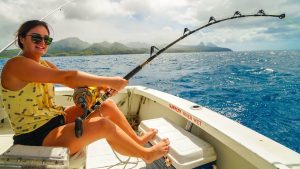
Fishing in Hawaii is not just a recreational activity—it’s an unforgettable adventure. Imagine the thrill of battling a massive marlin on the open sea, surrounded by turquoise waters, lush islands, and warm tropical breezes. Hawaii offers some of the most diverse and exciting sportfishing opportunities in the world. Whether you’re a seasoned angler or a curious first-timer, knowing how to prepare for your Hawaiian fishing trip can make all the difference. This comprehensive guide will walk you through expert tips, island selection advice, gear essentials, and safety recommendations to ensure your trip is smooth, enjoyable, and successful.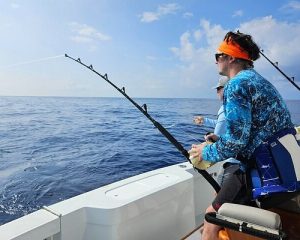
Planning the Perfect Hawaiian Fishing Trip
Choosing the Right Boat
One of the most critical decisions you’ll make is selecting the right fishing charter. Your boat should align with your goals—whether you’re looking for deep-sea sport fishing, bottom fishing, or a casual nearshore experience.
-
Private vs. Shared Charter: Private charters offer personalized attention and a more relaxed experience, ideal for families or groups. Shared charters are budget-friendly but can be crowded.
-
Boat Size and Amenities: Ensure the boat has the right equipment, such as fighting chairs, fish finders, GPS, restrooms, shaded areas, and a friendly crew with local expertise.
Picking the Best Island for Fishing
Hawaii is made up of several islands, each offering a unique fishing experience. Your trip’s length, fishing goals, and travel logistics will influence your island choice.
Oahu
-
Best for quick fishing trips due to deep waters close to shore.
-
Charter boats are readily available out of Honolulu and Waikiki.
-
Great for first-time visitors and short stays.
Maui
-
Offers excellent year-round deep-sea fishing.
-
Lahaina and Maalaea harbors are the main fishing hubs.
-
Ideal for families and those seeking a balance between fishing and relaxation.
Big Island (Hawaii Island)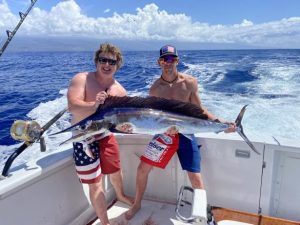
-
Known for its legendary deep-sea fishing and world-class marlin.
-
Kona coast is renowned for calm waters and abundant game fish.
-
A favorite for experienced anglers chasing record-breaking catches.
Kauai
-
Offers a more laid-back fishing environment.
-
Ideal for inshore fishing and bottom fishing.
-
Fewer crowds and more personal interaction with local guides.
Gear and Essentials: What to Bring for a Seamless Experience
Fishing Equipment: Tackle, Bait, and More
Before booking, check with your charter company about what’s provided. Most professional charters in Hawaii offer:
-
Tackle and Rods: Heavy-duty gear for big game fish like ahi (yellowfin tuna), mahi-mahi, ono (wahoo), and marlin.
-
Bait: Live bait, cut bait, or artificial lures depending on the target species.
-
Coolers with Ice: Essential for keeping your catch fresh during the trip.
-
Fresh Water: Always verify water availability for hydration on board.
If your charter doesn’t provide these, be sure to bring your own or rent them locally.
Appropriate Clothing for a Fishing Day
Dressing right will keep you comfortable and protected from the elements.
-
Lightweight, Breathable Clothing: T-shirts, shorts, or moisture-wicking gear.
-
Extra Shirt or Towel: Useful if you get wet or want to freshen up.
-
Cap or Hat with Brim: Essential for sun protection.
-
Polarized Sunglasses: Reduce glare and help you see beneath the water’s surface.
Footwear Recommendations
Choose closed-toe, non-slip boating shoes for safety and grip. These shoes are ideal for wet boat decks and fast-paced action when reeling in large fish.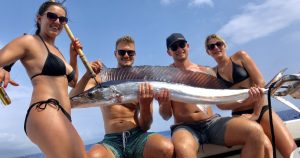
Health, Safety, and Comfort on Board
Preventing Seasickness
Seasickness can quickly ruin a perfect fishing day. Here’s how to minimize it:
-
Take Motion Sickness Medication: Opt for over-the-counter options like Dramamine or Bonine at least 30–60 minutes before departure.
-
Get a Good Night’s Sleep: Aim for at least 8 hours to feel rested.
-
Eat a Balanced Dinner and Light Breakfast: Avoid greasy foods but don’t go on an empty stomach.
Sun Protection
Hawaiian sun can be intense, even in the early morning hours. Protect yourself with:
-
Sunscreen (SPF 30+): Apply before boarding and reapply every 2 hours.
-
Light Long-Sleeve Shirt: For extra UV protection without overheating.
Food, Drinks, and Practical Extras
Pack Smart: What to Eat and Drink
Some charters offer meals and beverages, but it’s best to confirm in advance.
-
Bring Snacks: Salty snacks like chips (Cheetos, Doritos) are great for curbing hunger.
-
Pack Drinks in Cans: Cans are safer and easier to store than glass bottles on a boat.
-
Avoid Alcohol Before or During the Trip: It can increase seasickness and impair judgment.
Final Checks Before Departure
-
Confirm Departure Location and Time: Be early, especially for morning trips.
-
Arrange Transportation: Choose between renting a car, using a ride-sharing app, or booking a taxi in advance.
-
Bring Your ID and Fishing License (if needed): Some charters handle this, but it’s best to double-check.
What Can You Catch? Top Fish Species in Hawaiian Waters
Hawaii’s waters are teeming with a variety of fish year-round. Here are some common targets:
-
Pacific Blue Marlin: Peak season is June to August.
-
Ahi (Yellowfin Tuna): Available all year, best from May to September.
-
Mahi-Mahi (Dolphinfish): Most abundant from March to May.
-
Ono (Wahoo): Common from May to October.
-
Aku (Skipjack Tuna): Great for beginner anglers, especially during summer.
Respecting the Ocean and Local Traditions
Fishing in Hawaii isn’t just about sport—it’s also deeply tied to native Hawaiian culture and respect for nature. Follow sustainable practices:
-
Don’t Overfish: Only keep what you plan to eat or share.
-
Practice Catch and Release: Especially for undersized or protected species.
-
Respect Local Guides: Learn from their experience and follow their instructions.
Conclusion
A fishing trip in Hawaii offers more than just the opportunity to reel in big game—it provides a deep connection with nature, local culture, and the open sea. From choosing the right island and boat to packing the right gear and preparing for the journey, every step contributes to a memorable and successful experience. Whether you’re after trophy fish or a peaceful day at sea, these expert tips will ensure your Hawaiian fishing adventure is one for the books.
Choosing the Best Plants for Your Garden