
 By admin
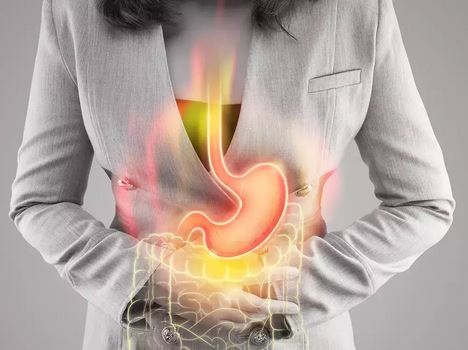
Understanding and Managing Acid Reflux (GERD): A Comprehensive Guide
Gastroesophageal Reflux Disease (GERD), commonly known as acid reflux, is a medical condition where stomach acid or, occasionally, stomach contents, flow back into the esophagus, causing irritation to the lining of the esophagus. GERD is considered a chronic condition and can lead to significant health complications if left untreated. While this condition predominantly affects adults, it can also be seen in children and infants. Understanding the causes, symptoms, and treatment options for acid reflux is crucial for managing this condition effectively.
What is Acid Reflux?
Acid reflux occurs when there is an abnormal backflow of stomach acid or bile into the esophagus. The esophagus is the tube that carries food from the mouth to the stomach. Normally, a ring of muscles at the bottom of the esophagus, called the lower esophageal sphincter (LES), opens to allow food to enter the stomach and then closes to prevent the contents of the stomach from coming back up. In individuals with acid reflux, the LES is weak or relaxes abnormally, allowing acid to flow back into the esophagus.
This backflow causes irritation and inflammation in the esophageal lining, which can lead to chronic symptoms, including heartburn. Over time, if untreated, GERD can result in more severe conditions such as ulcers, esophageal strictures, or even esophageal cancer.
Common Symptoms of GERD
The most common symptom of acid reflux is heartburn, which is described as a burning sensation or discomfort in the chest, typically behind the breastbone. However, GERD can present with a variety of symptoms, including:
- Coughing: A persistent cough that may worsen at night.
- Hoarseness: A raspy or strained voice, particularly in the morning.
- Sore throat: Irritation or discomfort in the throat due to acid irritation.
- Chronic earaches: Recurrent ear pain, which may be associated with acid reflux.
- Sinusitis: Inflammation of the sinuses, sometimes linked to acid reflux.
- Dysphagia: Difficulty swallowing, which can result from inflammation or scarring in the esophagus.
It is important to note that experiencing heartburn occasionally does not necessarily mean someone has GERD. The condition is typically diagnosed when heartburn occurs more than once a week or is severe enough to interfere with daily life.
Causes of Acid Reflux
Several factors can contribute to the development of GERD, including lifestyle choices, medical conditions, and anatomical issues. Common causes and risk factors include:
- Increased Gastric Acid Production: Excessive production of stomach acid is a primary driver of acid reflux. This can be due to various factors such as stress, diet, or medications.
- Obesity: Excess weight, particularly around the abdomen, increases pressure on the stomach, which can push stomach contents into the esophagus.
- Pregnancy: Hormonal changes during pregnancy can relax the LES, leading to acid reflux. Additionally, the growing uterus can put pressure on the stomach, exacerbating symptoms.
- Dietary Factors: Certain foods and drinks, including caffeine, spicy foods, chocolate, tomato-based products, and alcohol, can trigger or worsen acid reflux. Carbonated beverages and fatty or fried foods are also common culprits.
- Tight Clothing: Wearing tight belts, waistbands, or clothing that constricts the abdomen can increase abdominal pressure and contribute to acid reflux.
- Yeast Infections: Some research suggests that certain yeast infections might cause symptoms similar to GERD due to irritation of the digestive tract.
- Reduced Stomach Acid: Ironically, low stomach acid production can also contribute to acid reflux. The LES may fail to function properly if the stomach doesn’t produce enough acid, causing food to be regurgitated back into the esophagus.
Potential Complications of GERD
If left untreated, GERD can lead to more serious health complications. These include:
- Esophageal Ulcers: Prolonged acid exposure can cause open sores or ulcers in the esophagus, leading to pain, bleeding, and difficulty swallowing.
- Esophageal Strictures: Scarring from chronic acid reflux can narrow the esophagus, making it harder to swallow food and liquids.
- Barrett’s Esophagus: In some cases, chronic acid reflux may lead to changes in the esophageal lining, a condition known as Barrett’s esophagus. This condition increases the risk of esophageal cancer.
- Esophageal Cancer: GERD, particularly when untreated for many years, has been associated with an increased risk of esophageal adenocarcinoma, a type of cancer.
Diagnosing GERD
To diagnose GERD, healthcare providers typically begin by evaluating a patient’s symptoms and medical history. If GERD is suspected, further diagnostic tests may be recommended, such as:
- Endoscopy: A flexible tube with a camera is inserted through the mouth to examine the esophagus for signs of irritation, ulcers, or other abnormalities.
- 24-hour pH Monitoring: This test involves placing a small device in the esophagus to measure acid levels over 24 hours.
- Esophageal Manometry: This test measures the pressure and function of the esophagus and the LES.
Treatment Options for GERD
The treatment of GERD generally involves a combination of lifestyle changes, medications, and in some cases, surgery. Here are some of the most common approaches:
1. Lifestyle and Dietary Changes
The first line of treatment for GERD is often lifestyle modification. A few simple changes to your routine can help manage symptoms and prevent reflux:
- Avoid Trigger Foods: Identify and avoid foods and drinks that trigger acid reflux, including caffeine, chocolate, alcohol, spicy foods, and high-fat meals.
- Eat Smaller Meals: Large meals can increase pressure on the stomach and worsen symptoms. Eating smaller, more frequent meals can help reduce this pressure.
- Avoid Eating Before Bedtime: It is recommended to avoid eating for at least 2–3 hours before lying down or going to bed.
- Elevate the Head of Your Bed: Sleeping with your head raised by 6 to 8 inches can help prevent acid from flowing back into the esophagus.
- Lose Weight: If overweight or obese, losing weight can significantly reduce the pressure on the stomach and help control symptoms.
2. Medications for GERD
If lifestyle changes are insufficient, medications can be used to manage GERD. Commonly prescribed drugs include:
- Antacids: These medications neutralize stomach acid and provide quick relief from heartburn.
- H2-Receptor Antagonists: Medications such as famotidine and ranitidine reduce the amount of acid the stomach produces.
- Proton Pump Inhibitors (PPIs): Drugs like omeprazole and lansoprazole block the production of acid in the stomach, providing long-term relief.
- Prokinetics: These medications help strengthen the LES and promote faster stomach emptying, reducing the likelihood of reflux.
3. Surgical Treatment for GERD
In severe cases of GERD that do not respond to medications or lifestyle changes, surgery may be considered. The most common surgical procedure for GERD is Nissen Fundoplication. This surgery involves wrapping the top of the stomach around the lower esophagus to strengthen the LES and prevent acid reflux. For patients with a hiatal hernia, this procedure can also help repair the hernia and restore normal function to the LES.
Conclusion
Acid reflux (GERD) is a common condition that can lead to significant discomfort and health complications if not properly managed. By understanding the causes, symptoms, and available treatments, individuals can take proactive steps to manage GERD effectively. Lifestyle modifications, dietary changes, and medications are often the first line of defense, but in severe cases, surgical intervention may be necessary. If you experience frequent heartburn or other symptoms of GERD, it is essential to consult with a healthcare provider for proper diagnosis and treatment.
Managing acid reflux is not just about alleviating discomfort—it is about preventing long-term health issues and improving your overall quality of life.