
 By admin
Your Dog’s Diet: Comparing Canned Dog Food and Dry Kibble
A dog’s diet is one of the most critical factors influencing their overall health, energy levels, and quality of life. As a loving pet owner, you want nothing but the best for your furry companion. However, deciding on the right type of food for your dog can be challenging with so many options available. One of the most common dilemmas pet owners face is whether to choose canned dog food or dry kibble. Each option has its own set of advantages, and understanding these can help you make an informed decision that suits your dog’s unique needs.

The debate between canned dog food and dry kibble has been ongoing for decades. Both options have their champions and critics, making it essential to evaluate the pros and cons of each. To provide clarity, let’s delve into the specific benefits of canned dog food and dry kibble, along with the factors you should consider when deciding which option is best for your dog’s diet. Additionally, consulting your veterinarian can provide personalized insights based on your pet’s health and dietary requirements.
Advantages of Canned Dog Food
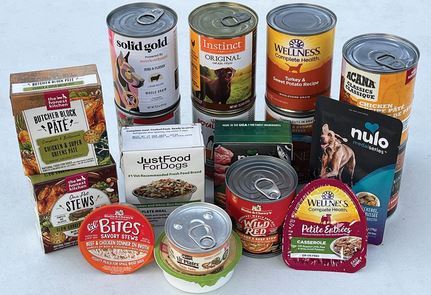
Canned dog food has long been recognized for its palatability and high-quality ingredients. Despite some misconceptions, canned food offers several benefits that make it a strong contender for inclusion in your dog’s diet.
1. High-Quality Ingredients
One of the most significant advantages of canned dog food is its use of high-quality ingredients. Many brands of canned food feature real meat as the primary component, often containing fewer additives and fillers compared to dry kibble. These high-quality ingredients can contribute to better overall health and nutrition for your dog, making canned food an excellent choice for those who prioritize premium components in their pet’s diet.
2. Enhanced Palatability
Canned dog food is known for its rich aroma and flavor, which can be especially appealing to picky eaters. If your dog tends to turn their nose up at dry kibble, canned food might be the perfect solution. The enticing taste and texture of canned food often make it a favorite among dogs, ensuring they receive the necessary nutrients without fuss.
3. Ease of Eating
For dogs with dental issues, senior dogs, or those recovering from surgery, canned food can be much easier to consume. Its soft texture is gentle on the teeth and gums, making it a suitable option for pets who struggle to chew dry kibble. Additionally, canned food provides extra moisture, which can benefit dogs with certain health conditions or those prone to dehydration.
4. Hydration Benefits

Canned dog food typically contains a high water content, which helps keep your dog hydrated. This can be especially beneficial for dogs that do not drink enough water throughout the day. Adequate hydration supports overall health, including kidney function and digestion.
Advantages of Dry Kibble
While canned food has its merits, dry kibble also offers a range of benefits that make it a popular choice among pet owners. From convenience to dental health, kibble has unique advantages that should not be overlooked.
1. Promotes Dental Health
One of the standout benefits of dry kibble is its ability to support oral hygiene. The crunchy texture of kibble helps remove plaque and tartar buildup from your dog’s teeth as they chew, promoting healthier gums and fresher breath. This makes dry kibble an excellent choice for maintaining good dental health in your pet.
2. Convenience and Storage
Dry kibble is incredibly easy to store and does not require refrigeration after opening, unlike canned food. This makes it a more convenient option for busy pet owners or those who travel frequently with their dogs. The long shelf life of kibble also means you can purchase it in bulk without worrying about spoilage.
3. Cost-Effectiveness
For budget-conscious pet owners, dry kibble is often more affordable than canned food. High-quality kibble options are available at reasonable prices, providing excellent nutrition without breaking the bank. This cost advantage is particularly significant for owners of large-breed dogs, which typically consume greater quantities of food.
4. Portion Control

Dry kibble makes it easier to measure and control portion sizes, helping to prevent overfeeding and maintain a healthy weight for your dog. Many brands also offer kibble formulas tailored to specific life stages, breeds, or health conditions, allowing for a customized approach to your dog’s diet.
Key Considerations When Choosing Between Canned Food and Dry Kibble
When deciding whether to feed your dog canned food, dry kibble, or a combination of both, several factors should be taken into account. These include your dog’s age, breed, size, health status, and personal preferences.
1. Your Dog’s Health Needs
Dogs with specific health concerns, such as kidney disease or dental issues, may benefit more from one type of food over the other. For instance, canned food’s high moisture content can support hydration in dogs with kidney problems, while dry kibble’s texture can aid in maintaining dental health.
2. Activity Level and Caloric Needs
Active dogs with higher energy requirements may need a diet that provides more calories per serving. Dry kibble often has a higher calorie density, making it a practical choice for highly active or working dogs. Conversely, canned food’s lower calorie density may be suitable for dogs prone to weight gain.
3. Cost and Budget
Feeding your dog a high-quality diet is essential, but it should also fit within your budget. While canned food offers superior palatability and hydration benefits, it can be more expensive than dry kibble, especially for larger breeds. Finding a balance between quality and affordability is key.
4. Lifestyle and Convenience
Your lifestyle plays a role in determining the best food option for your dog. If you’re frequently on the go or need a food option that’s easy to store and serve, dry kibble may be more practical. However, if you have the time and resources to manage the storage and serving of canned food, it can be a great addition to your dog’s diet.
5. Taste Preferences
Ultimately, your dog’s preferences should guide your decision. Some dogs strongly prefer the taste and texture of canned food, while others are perfectly content with dry kibble. Observing your dog’s reaction to different foods can help you determine what works best.
Combining Canned Food and Dry Kibble
For many pet owners, a combination of canned food and dry kibble provides the best of both worlds. This approach allows you to enjoy the benefits of each type of food while addressing your dog’s specific needs. For example, mixing a small amount of canned food with kibble can enhance the flavor and make meals more appealing to picky eaters. Additionally, this combination can help balance hydration benefits with the dental health advantages of kibble.

Consult Your Veterinarian
Regardless of your choice, it’s always a good idea to consult your veterinarian when deciding on your dog’s diet. Your vet can provide valuable insights into your dog’s nutritional needs based on their age, breed, weight, and overall health. They can also recommend specific brands or formulas that align with your pet’s requirements.
Conclusion
Both canned dog food and dry kibble have their unique advantages, and the best choice ultimately depends on your dog’s individual needs and preferences. Canned food offers high-quality ingredients, enhanced palatability, and hydration benefits, making it ideal for picky eaters or dogs with dental issues. On the other hand, dry kibble promotes dental health, is cost-effective, and offers unmatched convenience.
By understanding the pros and cons of each option and consulting with your veterinarian, you can make an informed decision that supports your dog’s health and well-being. Whether you choose canned food, dry kibble, or a combination of both, the most important thing is to provide your pet with a balanced, nutritious diet that keeps them happy, healthy, and thriving for years to come.
Other
Perch Fish A Remarkable Species