
 By admin
Comprehensive Guide to Heartworm Treatment for Cats: What Every Pet Owner Should Know
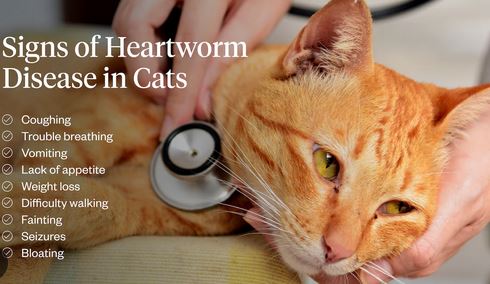
Heartworm disease is a serious and potentially life-threatening condition that affects both cats and dogs. However, the treatment protocols for these two species differ significantly. For cat owners, understanding these differences and adhering to species-specific recommendations is critical for ensuring your pet’s health and safety. Never, under any circumstances, should you administer heartworm treatment designed for dogs to your cat, or vice versa. This guide delves into the complexities of heartworm treatment for cats, including the risks, prevention methods, and the importance of veterinary guidance.
What Is Heartworm Disease?
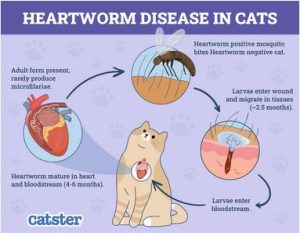
Heartworm disease is caused by a parasitic worm known as Dirofilaria immitis, which is transmitted through the bite of an infected mosquito. Once inside the host’s bloodstream, these worms grow and migrate to the heart and pulmonary arteries. For cats, even a small number of heartworms can lead to severe health complications due to their smaller body size compared to dogs.
Why Heartworm Treatment for Cats Differs from Dogs
Unlike dogs, where heartworm disease can be treated with specific medications designed to eliminate adult worms, cats require a more cautious approach. Cats are not natural hosts for heartworms, and their immune systems react differently. The presence of heartworms in cats often leads to a condition known as Heartworm-Associated Respiratory Disease (HARD), which can mimic other respiratory disorders, making diagnosis and treatment more challenging.
The Challenges of Treating Heartworm in Cats
Heartworm treatment in cats is inherently complex for several reasons:
- Limited Treatment Options: There is no FDA-approved medication to eliminate adult heartworms in cats. This makes treatment primarily supportive and symptomatic.
- Risk of Complications: The death of adult worms within the cat’s cardiovascular system can lead to severe inflammatory responses, blockages, and even sudden death.
- Side Effects of Medications: Cats are highly sensitive to many of the medications used in heartworm treatment, making close veterinary supervision essential.
Diagnosing Heartworm Disease in Cats
Early diagnosis is key to managing heartworm disease in cats. Your veterinarian will typically perform the following tests:
- Antigen Testing: Detects the presence of adult female heartworms.
- Antibody Testing: Indicates exposure to heartworm larvae.
- Imaging Studies: X-rays or ultrasounds may be used to assess the extent of the disease.
- Blood Tests: Help evaluate your cat’s overall health and identify secondary complications.
Treatment Options for Cats with Heartworm Disease
Once diagnosed, your veterinarian will determine the best course of action based on the severity of the infection and your cat’s overall health. Treatment typically includes:
- Supportive Care:
- Anti-inflammatory medications, such as corticosteroids, to manage respiratory symptoms and reduce inflammation.
- Bronchodilators to improve breathing and oxygen flow.
- Hospitalization:
- Cats with severe symptoms may require hospitalization for oxygen therapy and intravenous fluids.
- Monitoring:
- Regular check-ups and imaging studies to monitor the progression of the disease and assess for complications.
- Surgical Intervention:
- In extreme cases, surgical removal of adult heartworms may be attempted, although this is a high-risk procedure.
The Risks of Dying Worms in Cats
When heartworms die, they can cause severe complications, including:
- Embolism: Dead worms may block the pulmonary arteries, leading to reduced blood flow and oxygenation.
- Systemic Inflammation: The breakdown of worms can trigger a massive immune response, worsening the cat’s condition.
- Sudden Death: In some cases, the death of even a single worm can result in fatal cardiovascular events.
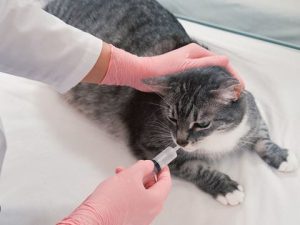
Why Prevention Is the Best Strategy
Given the challenges and risks associated with treating heartworm disease in cats, prevention is always the best approach. Fortunately, several safe and effective preventive medications are available:
- Monthly Topical Treatments: These are applied to your cat’s skin and provide protection against heartworm larvae.
- Oral Medications: Available for cats who tolerate pills well, these also protect against intestinal parasites.
- Combination Products: Some preventives also guard against fleas, ticks, and other parasites, offering comprehensive protection.
Choosing the Right Preventive Medication
Not all preventive medications are created equal, and some may be better suited to your cat’s specific needs. Factors to consider include:
- Age and Weight: Many preventives have minimum age or weight requirements.
- Existing Health Conditions: Cats with underlying health issues may require special formulations.
- Lifestyle: Indoor cats are still at risk for heartworm disease, especially in mosquito-prone areas, so prevention is recommended for all cats.
Your veterinarian can recommend the most appropriate product for your pet and guide you on proper administration techniques.
The Role of Regular Veterinary Care
Regular veterinary visits are essential for maintaining your cat’s overall health and catching potential issues early. During these visits, your veterinarian may:
- Perform routine heartworm testing.
- Administer vaccinations and other preventive care.
- Discuss any changes in your cat’s behavior or health that could indicate underlying issues.
Heartworm Awareness in High-Risk Areas
If you live in a region with a high prevalence of heartworm disease, such as areas with warm climates and year-round mosquito activity, taking proactive measures is even more critical. These include:
- Keeping your home mosquito-free by using screens and repellents.
- Avoiding outdoor exposure during peak mosquito activity times.
- Ensuring all pets in your household are on preventive medication, regardless of species.
Common Myths About Heartworm Disease in Cats
- “Indoor Cats Are Not at Risk”: While indoor cats are less likely to be exposed to mosquitoes, they are not immune. Mosquitoes can enter homes, putting all cats at risk.
- “Only Dogs Need Heartworm Prevention”: Cats are also vulnerable to heartworm disease, and prevention is just as important for them.
- “Heartworm Disease Is Rare in Cats”: While less common than in dogs, heartworm disease in cats often goes undiagnosed, making it a significant concern.
Conclusion: Protecting Your Cat from Heartworm Disease
Heartworm disease is a serious condition that requires careful management and prevention. While treatment options for cats are limited and fraught with risks, proactive prevention can save your pet from the challenges and complications of this disease. By working closely with your veterinarian and adhering to recommended preventive measures, you can ensure a long and healthy life for your feline companion.
Remember, your cat’s health is in your hands. Stay informed, stay vigilant, and prioritize prevention to safeguard your pet against heartworm disease.
Pet Cats in Supporting People with AIDS