
 By admin
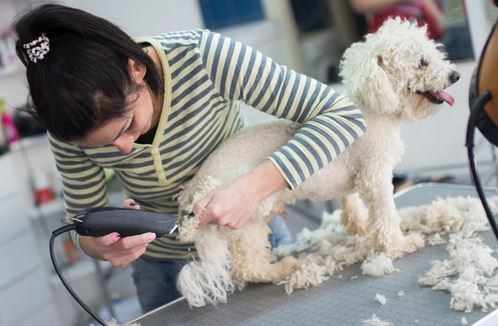
The Art and Science of Dog Clipping: A Comprehensive Guide
Dog grooming is a fundamental aspect of responsible pet ownership, and clipping plays a vital role in maintaining your dog’s health and well-being. Many dog owners mistakenly view clipping as a mere mechanical task, but in reality, it is both an art and a science. Proper clipping requires attention to detail, the right tools, and a deep understanding of a dog’s breed-specific needs. This guide explores the intricacies of dog clipping, its importance, and best practices to ensure your furry companion stays healthy, comfortable, and happy.
Why Clipping Matters
Clipping serves multiple purposes beyond aesthetics. It is essential for the overall health and hygiene of your dog. A well-clipped coat prevents the accumulation of dirt, debris, and parasites, which can lead to skin infections and other health issues. Additionally, trimming nails reduces the risk of injuries and maintains proper posture and gait.
- Hygiene and Skin Health:
- A well-maintained coat minimizes the buildup of dirt and oils that can irritate the skin.
- Regular clipping helps in identifying skin conditions or infections early.
- It reduces the risk of parasitic infestations by exposing areas where ticks, fleas, and mites might hide.
- Breed-Specific Needs:
- Different dog breeds have unique coat types that require specific grooming techniques. For example, double-coated breeds like Huskies and Golden Retrievers need careful attention to avoid over-clipping, which can disrupt their natural insulation.
- Comfort and Mobility:
- Overgrown nails can cause pain and discomfort, affecting a dog’s ability to walk or run.
- A properly clipped coat can help regulate body temperature, especially in hot or humid climates.
Tools and Techniques for Effective Clipping
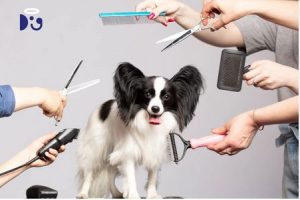
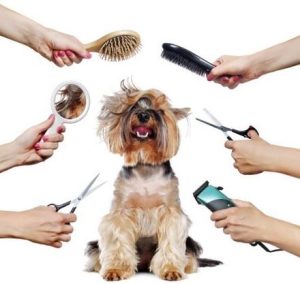
Investing in the right tools and using proper techniques is crucial for effective and safe clipping. Here are some essential tips:
- Choosing the Right Clipper:
- Use sharp, high-quality clippers designed specifically for dogs.
- Avoid using blunt or outdated tools, as they can cause uneven cuts and require repeated attempts, which may stress the dog.
- Modern clippers with adjustable blades and quiet motors are ideal for minimizing noise-related anxiety in dogs.
- Proper Maintenance of Tools:
- Regularly clean and oil the clippers to ensure smooth operation.
- Disinfect the tools after each use to prevent the spread of infections.
- Understanding Coat Types:
- For dogs with long or thick coats, such as Afghan Hounds or Collies, use clippers with wide-tooth blades to prevent snagging.
- Short-haired breeds, like Boxers or Dalmatians, may require less frequent clipping but still benefit from occasional trims to maintain shine and cleanliness.
- Nail Clipping:
- Use nail clippers specifically designed for dogs, and ensure the blades are sharp.
- Trim nails gradually to avoid cutting into the quick, which can cause pain and bleeding.
Seasonal Considerations
The timing and style of clipping should align with the season and climate to ensure your dog’s comfort and safety:
- Winter Clipping:
- Avoid close clipping during cold months, as this can expose your dog to environmental stresses like frostbite.
- Focus on maintaining a layer of fur for insulation while ensuring it’s clean and free of mats.
- Summer Clipping:
- In hot weather, clipping can help keep your dog cool and reduce the risk of heatstroke.
- Be cautious not to over-clip, as some breeds rely on their coats for protection against sunburn.
Safety Precautions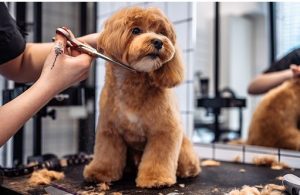
To ensure a safe and stress-free clipping experience for your dog, follow these precautions:
- Health Check:
- Avoid clipping if your dog is unwell, stressed, or recovering from an illness.
- Consult a veterinarian if you’re unsure about your dog’s readiness for grooming.
- Preventing Injuries:
- Always clip in the direction of hair growth to avoid pulling or irritating the skin.
- Be gentle around sensitive areas like the face, ears, and paws.
- Use a steady hand and take breaks if needed to keep both you and your dog relaxed.
- Professional Assistance:
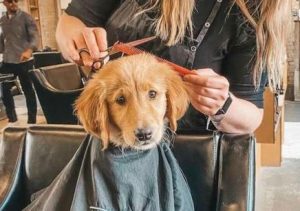
- If you’re unsure about how to clip your dog, seek help from a professional groomer. Many pet salons offer systematic clipping services tailored to your dog’s breed and needs.
Benefits of Regular Clipping
Consistent clipping and grooming provide numerous benefits that go beyond appearance:
- Enhanced Bonding:
- Grooming sessions can strengthen the bond between you and your dog, fostering trust and companionship.
- Early Detection of Health Issues:
- Regular grooming allows you to spot abnormalities such as lumps, rashes, or parasites, enabling early intervention.
- Improved Behavior:
- Dogs that are groomed regularly tend to be more comfortable with handling, making vet visits and other interactions less stressful.
Modern Innovations in Dog Grooming
The pet care industry has introduced advanced tools and techniques that make clipping safer and more efficient:
- Electric Clippers with Smart Sensors:
- These clippers adjust blade speed based on coat thickness, ensuring even and safe clipping.
- Mobile Grooming Services:
- Many companies now offer grooming services at your doorstep, providing convenience and reducing stress for your dog.
- Eco-Friendly Grooming Products:
- Opt for biodegradable shampoos, conditioners, and grooming sprays that are safe for both your dog and the environment.
Common Mistakes to Avoid
- Over-Clipping:
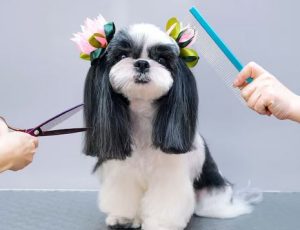
- Removing too much fur can expose your dog to environmental hazards and disrupt their natural insulation.
- Ignoring Breed Characteristics:
- Each breed has unique grooming needs; a one-size-fits-all approach can lead to discomfort or health issues.
- Using Human Tools:
- Avoid using scissors, razors, or clippers designed for humans, as they may not be safe or effective for dogs.
Final Thoughts
Dog clipping is more than a routine grooming task; it’s an essential part of ensuring your pet’s health, comfort, and happiness. By understanding your dog’s specific needs, investing in quality tools, and following best practices, you can make grooming a positive experience for both you and your furry companion. When in doubt, don’t hesitate to consult a professional groomer or veterinarian to ensure your dog receives the care they deserve.