
 By admin
Preventing Dental Disease in Dogs: Comprehensive Guide for Owners
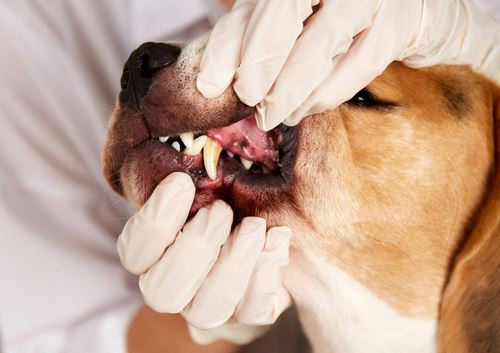
Dental health is an essential component of a dog’s overall well-being, yet it is often overlooked by many pet owners. Preventing dental disease in dogs requires proactive care and attention, as poor oral health can lead to serious systemic conditions. Modern research has shown that dental disease in dogs, particularly periodontal disease, can have far-reaching consequences, including heart, kidney, and liver complications. By understanding the importance of dental care and implementing effective preventative strategies, dog owners can significantly enhance their pet’s quality of life.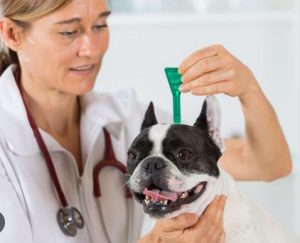
The Connection Between Dental and Systemic Health
Dental disease is more than just a localized problem; it can have systemic implications. When bacteria from infected gums enter the bloodstream, they can spread to vital organs, causing infections and inflammation. Studies have linked periodontal disease in dogs to endocarditis (inflammation of the heart’s inner lining), kidney disease, and liver abscesses. Therefore, maintaining oral hygiene is not just about preserving teeth—it’s about safeguarding a dog’s overall health.
Recognizing Early Signs of Dental Disease
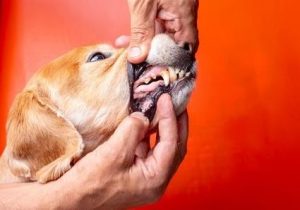
Early detection is critical to preventing the progression of dental disease. Dog owners should routinely inspect their pet’s mouth for signs such as:
- Bad breath (halitosis): This is often the first sign of dental issues.
- Red or swollen gums: Indications of gingivitis, an early stage of periodontal disease.
- Yellow or brown tartar buildup on teeth.
- Bleeding gums: Especially during chewing or brushing.
- Loose or missing teeth: A sign of advanced periodontal disease.
- Difficulty eating or chewing: This may indicate dental pain or oral discomfort.
Preventative Measures for Dental Health
To prevent dental disease, dog owners should adopt a multifaceted approach that includes proper nutrition, regular dental care, and routine veterinary check-ups.
1. Balanced Nutrition
Diet plays a crucial role in maintaining dental health. Providing a well-balanced diet that minimizes acidic or alkaline foods can help prevent enamel erosion and tooth decay. Specialized dental diets are available that reduce plaque buildup. These diets often contain:
- Kibble with a texture designed to clean teeth during chewing.
- Enzymatic additives that break down plaque and tartar.
- Low sugar content to prevent bacterial overgrowth.
2. Chewing Materials and Dental Toys
Chewing is a natural behavior that helps maintain strong teeth and gums. Providing safe chewing materials can prevent dental diseases by:
- Reducing plaque and tartar buildup.
- Satisfying the teething urge in puppies, which helps prevent indiscriminate chewing.
- Strengthening jaw muscles.
Recommended chewing materials include: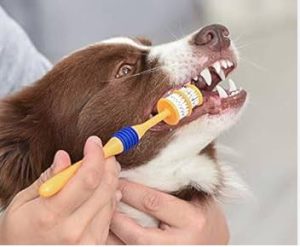
- Dental chews approved by the Veterinary Oral Health Council (VOHC).
- Rawhide alternatives made from digestible materials.
- Rubber or nylon chew toys designed for dental health.
Avoid giving dogs hard objects like bones or antlers, as these can lead to tooth fractures.
3. Regular Brushing
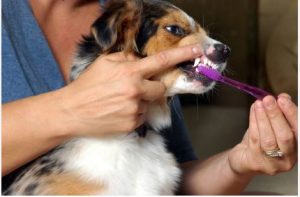
Brushing a dog’s teeth is the most effective way to prevent plaque and tartar buildup. Use a dog-specific toothbrush and toothpaste—never human toothpaste, as it can be toxic to dogs. Aim to brush your dog’s teeth at least 2-3 times a week, if not daily.
Tips for successful brushing:
- Start slow, allowing your dog to get used to the process.
- Use flavored toothpaste, such as poultry or beef, to make brushing more enjoyable.
- Focus on the gumline, where plaque and tartar accumulate the most.
4. Professional Dental Cleanings
Annual or bi-annual professional dental cleanings performed by a veterinarian are essential, especially for breeds prone to dental problems (e.g., small breeds like Chihuahuas and Dachshunds). These cleanings involve:
- Scaling to remove plaque and tartar.
- Polishing to smooth enamel and reduce future plaque buildup.
- Full oral examination, including X-rays if necessary, to detect hidden issues.
5. Regular Oral Inspections
Owners should routinely check their dog’s mouth for signs of dental issues. Puppies and young dogs may develop dental injuries during play, while older dogs are more prone to periodontal disease. Early identification and intervention can prevent complications.
Addressing Dental Emergencies
Sometimes, despite preventative efforts, dental emergencies can occur. Bleeding gums, broken teeth, or sudden changes in eating behavior require immediate veterinary attention. Left untreated, these issues can lead to pain, infection, and systemic illness.
Special Considerations for Working and Hunting Dogs
Working dogs, such as hunting or police dogs, often experience unique dental challenges due to their activities. These dogs may chew on objects that cause tooth fractures or wear. Owners of working dogs should:
- Provide additional dental care to prevent long-term issues.
- Schedule frequent oral examinations to address any emerging problems.
Role of Veterinary Guidelines in Dental Health
Organizations like the Centers for Disease Control and Prevention (CDC) and the American Veterinary Medical Association (AVMA) are working to establish standardized guidelines for canine dental health. These guidelines aim to:
- Educate pet owners about the importance of oral hygiene.
- Encourage routine dental check-ups as part of overall wellness exams.
- Promote the development of safe and effective dental products for dogs.
The Cost of Neglecting Dental Health
Neglecting dental health can lead to costly treatments and reduced quality of life for dogs. Advanced periodontal disease often requires tooth extractions, which can be expensive and stressful for both the pet and owner. Additionally, systemic complications arising from untreated dental infections can result in prolonged medical treatments and increased veterinary costs.
Conclusion
Preventing dental disease in dogs is a critical aspect of responsible pet ownership. By prioritizing dental health through proper nutrition, regular brushing, professional cleanings, and early intervention, dog owners can ensure their pets lead healthier, happier lives. Regular communication with your veterinarian and staying informed about advancements in canine dental care will further contribute to your dog’s overall well-being. Taking these proactive steps will not only prevent dental disease but also protect your furry friend from the systemic risks associated with poor oral hygiene.
The Art and Science of Dog Clipping