
 By admin
An In-Depth Look at Cat Breeds: Evolution, Characteristics, and Popularity
For thousands of years, cats have played an integral role in human life. Originally, they were domesticated for their exceptional hunting abilities, particularly to control rodent populations. Over time, humans began to influence their breeding, shaping specific traits that align with aesthetic preferences or temperamental qualities. Today, the world of domestic cats is vast and diverse, with over 70 distinct breeds officially recognized by various cat registries. This article explores the history, characteristics, and popularity of these feline companions while highlighting some of the most sought-after breeds.
The Evolution of Cat Breeds
Cats initially domesticated themselves by associating with early agricultural societies. Their ability to hunt pests made them invaluable to humans. Unlike dogs, which underwent significant selective breeding early on, cats largely self-regulated their gene pool for millennia. This changed as humans began breeding them deliberately, creating unique breeds distinguished by physical attributes, behavior, and adaptability.
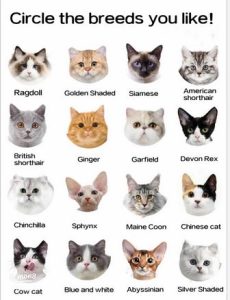
Modern cat registries, such as The International Cat Association (TICA) and the Cat Fanciers’ Association (CFA), recognize around 40 to 70 breeds, depending on the organization’s criteria. These registries typically exclude large wild cats such as tigers or lions, focusing solely on domestic breeds. Many of these breeds stem from natural mutations, while others result from deliberate crossbreeding efforts to achieve specific characteristics.
Ancient Cat Breeds and Their Historical Significance
Some cat breeds have roots that trace back centuries or even millennia. For instance, the Japanese Bobtail, renowned for its short, pom-pom-like tail, has a history dating back over 1,000 years. This breed was a common sight in medieval Japan, often depicted in traditional artwork and folklore. Though their numbers dwindled over time, they remain a symbol of good luck in Japanese culture.
The Egyptian Mau is another ancient breed, believed to be a direct descendant of the cats worshipped in ancient Egypt. Known for their spotted coat and graceful physique, Egyptian Maus were often depicted in hieroglyphics and revered for their hunting prowess.
Popular Cat Breeds in North America
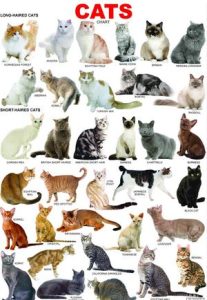
In North America, certain breeds dominate households due to their unique characteristics and adaptability. These include:
1. Persian Cats
Renowned for their luxurious long fur and calm temperament, Persian cats are among the most popular breeds worldwide. Their round faces and expressive eyes make them an enduring favorite. However, their grooming requirements are extensive, and they are prone to health issues such as respiratory problems due to their flat faces.
2. Siamese Cats
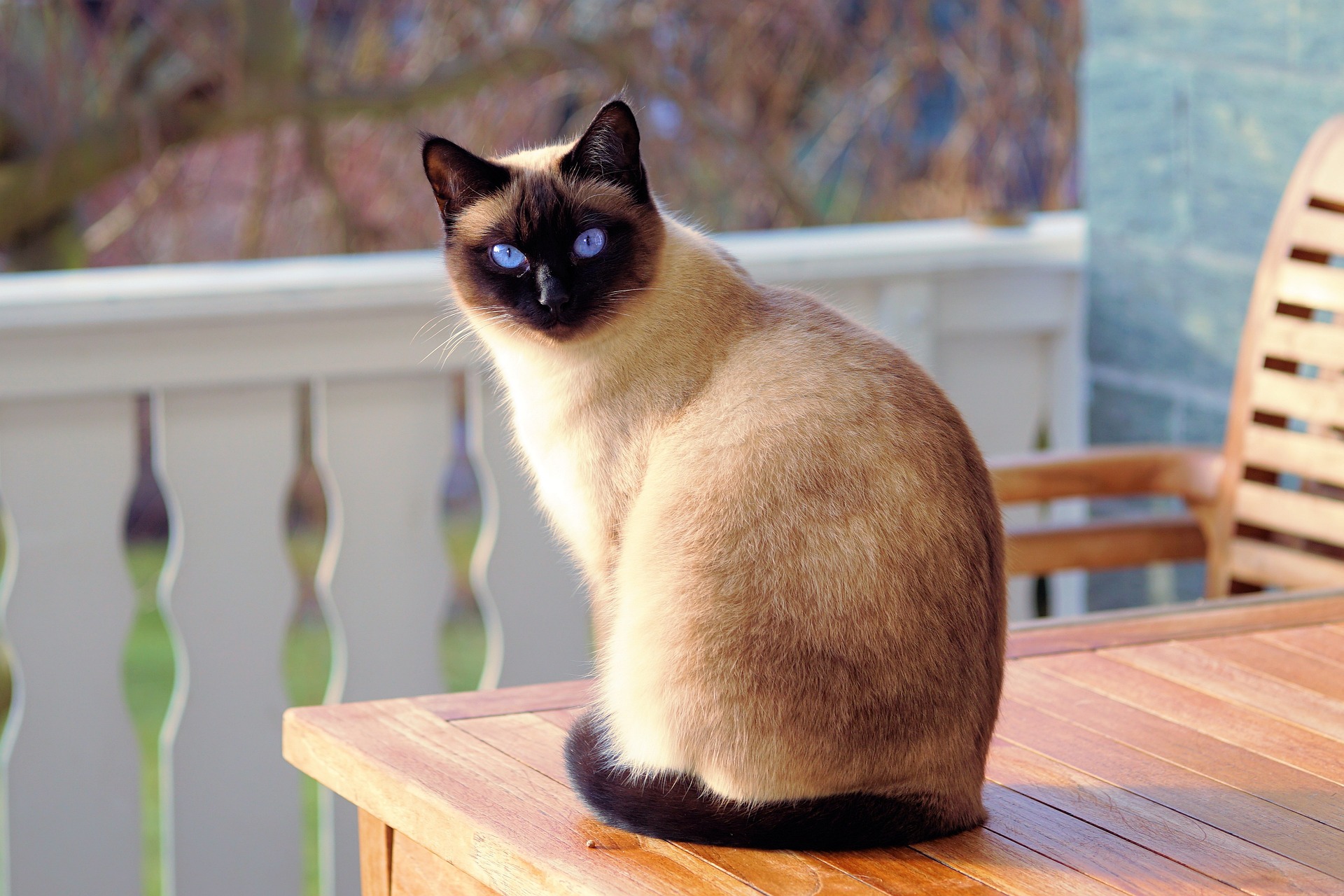
Siamese cats are known for their striking blue almond-shaped eyes, sleek bodies, and pointed coat patterns. They are highly vocal and sociable, forming strong bonds with their owners. Despite their affectionate nature, Siamese cats can be temperamental and demand constant attention, making them a challenging yet rewarding pet.
3. Maine Coon Cats
As one of the largest domestic cat breeds, Maine Coons are admired for their robust build, tufted ears, and friendly personalities. They are excellent family pets due to their gentle nature and adaptability. Maine Coons are also highly intelligent and can be trained to perform tricks.
4. Ragdoll Cats
Named for their tendency to go limp when held, Ragdoll cats are affectionate and docile. Their semi-long fur and striking blue eyes make them a visually appealing choice. They are known for their calm demeanor, making them ideal for households with children or other pets.
5. Alley Cats
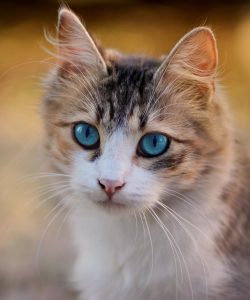
While not a specific breed, “alley cats” refer to mixed-breed domestic cats commonly found in urban areas. These cats often display a wide range of colors, patterns, and temperaments. Despite their lack of pedigree, alley cats can make wonderful companions when given a loving home.
Identifying Cat Breeds by Appearance
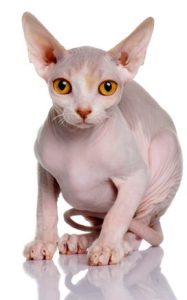
Determining a cat’s breed often involves examining its physical traits and coat patterns. For instance:
- Siamese cats: Characterized by their slender bodies, pointed ears, and contrasting color points on their ears, face, paws, and tail.
- Persian cats: Easily identified by their long, flowing coats and flat faces.
- Bengal cats: Known for their spotted or marbled coats resembling wild leopards.
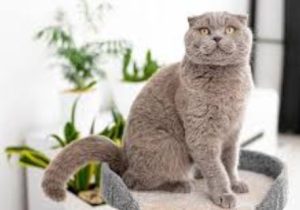
- Scottish Fold cats: Distinguished by their unique folded ears, which give them an owl-like appearance.
While coat color and pattern can provide clues, these features alone are insufficient for accurate breed identification, as many breeds share similar markings.
The Role of Breeding in Cat Populations
Cats are prolific breeders, and unregulated reproduction has led to a surplus of stray and feral cats in many regions. This overpopulation presents challenges for animal shelters and rescue organizations, as thousands of cats remain homeless. Spaying and neutering programs are essential to controlling the population and ensuring that every cat has the opportunity for a loving home.
Cats as Companions
Cats have consistently ranked among the most popular pets globally. Their independent yet affectionate nature appeals to a wide range of pet owners. Unlike dogs, cats require less maintenance, making them ideal for individuals with busy lifestyles. However, they still need proper care, including regular veterinary visits, a balanced diet, and mental stimulation.
Choosing the Right Cat Breed
When selecting a cat breed, potential owners should consider factors such as lifestyle, living space, and time commitment. For example:
- Active households: Breeds like the Bengal or Abyssinian thrive in environments with plenty of physical and mental stimulation.
- Calm environments: Breeds like the Ragdoll or British Shorthair prefer quieter settings and enjoy lounging with their owners.
- Allergies: While no cat is completely hypoallergenic, breeds like the Siberian or Balinese are often recommended for allergy sufferers due to lower levels of the Fel d 1 protein in their saliva.
Conclusion
The diversity of cat breeds reflects the deep bond between humans and their feline companions. From ancient breeds with storied histories to modern creations bred for specific traits, each breed offers unique qualities that cater to different preferences and lifestyles. Whether you’re drawn to the elegance of a Siamese, the luxurious fur of a Persian, or the playful nature of an alley cat, one thing is certain: cats are more than pets—they are cherished members of the family, offering companionship, comfort, and endless joy.
The Art and Science of Dog Clipping