
 By admin
The Modern Backhoe Loader: A Comprehensive Guide
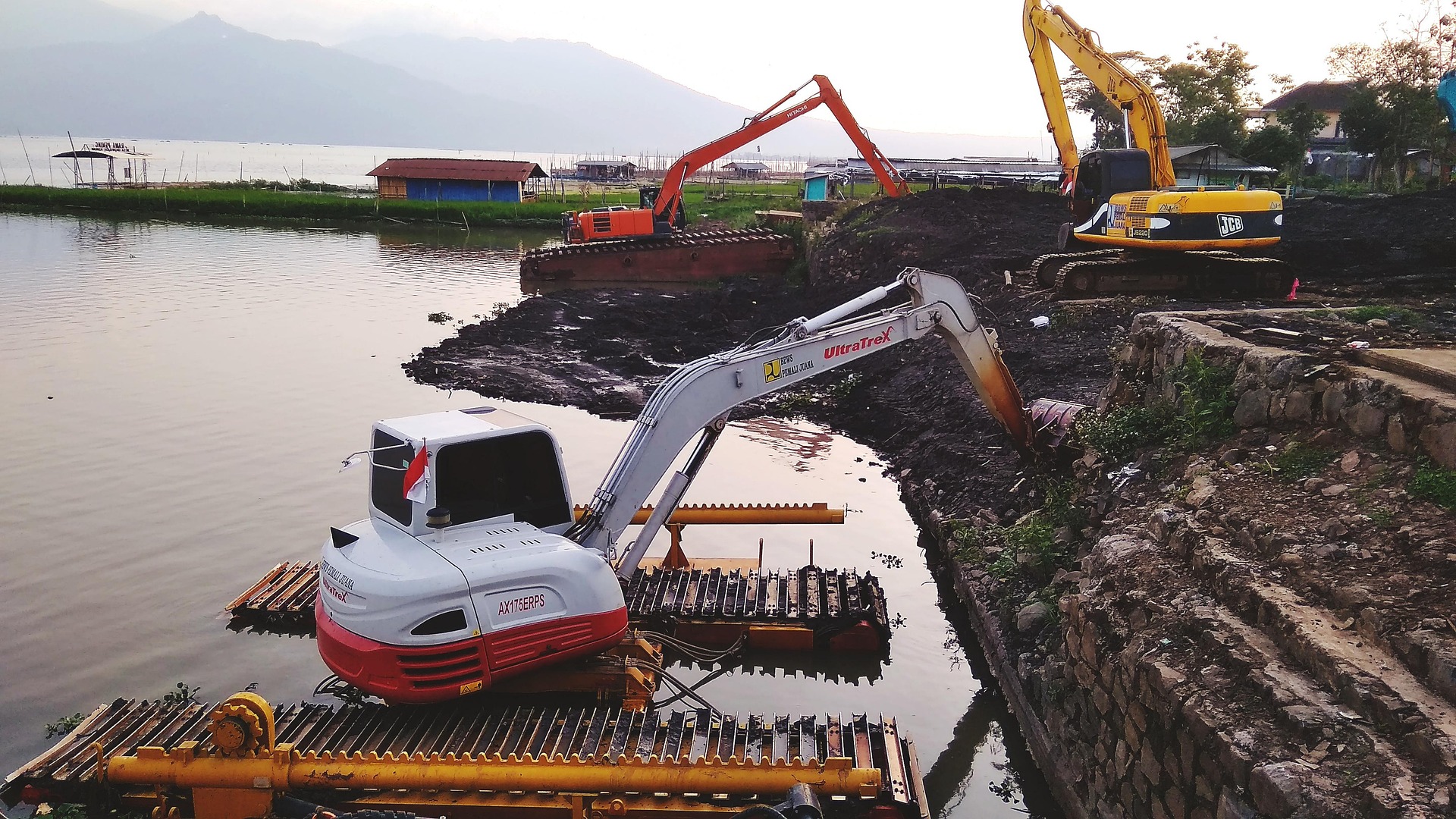
A backhoe loader, often referred to as a loader backhoe, is a versatile and powerful piece of engineering and excavation equipment. It combines the functionality of a tractor, a front shovel with a bucket, and a backhoe attachment at the rear. Due to its compact size, versatility, and ability to perform a variety of tasks, backhoe loaders are indispensable for small to medium-sized construction projects and excavation tasks.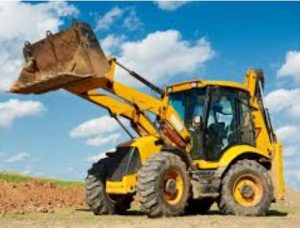
The Evolution of the Backhoe Loader
The backhoe loader has a rich history that dates back to its invention in Burlington, Iowa, in 1857. Since its creation, this machine has evolved into one of the most widely used pieces of construction equipment. It is essentially a modern adaptation of the classic farm tractor but with specialized attachments that significantly enhance its capabilities.
The name “backhoe loader” derives from its two main components: the loader assembly at the front and the backhoe attachment at the rear. Unlike traditional tractors, backhoe loaders are not designed for towing purposes and typically lack a power take-off (PTO). When the backhoe attachment is permanently installed, the machine usually features a swiveling operator seat, allowing seamless control of both the loader and the backhoe.
Key Features and Attachments
Loader Assembly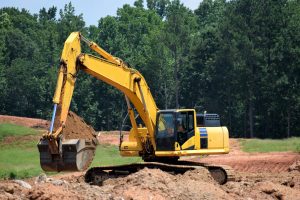
The front loader assembly is designed for scooping, lifting, and transporting materials such as soil, gravel, and debris. Some loader buckets feature a retractable bottom, which enables faster and more efficient unloading. This feature is particularly useful for grading and leveling tasks, as it allows the operator to spread materials more evenly.
The loader assembly can also be equipped with interchangeable tools, provided the machine has a tool coupler. A tool coupler is a hydraulic mechanism that allows quick attachment and detachment of various implements, such as brooms, snowplows, or pallet forks, further enhancing the loader’s versatility.
Backhoe Attachment
The backhoe at the rear is the hallmark of this machine. It is primarily used for digging and excavation tasks, such as trenching for water or sewer pipes. The backhoe arm is typically equipped with a bucket, but it can be replaced with other tools like breakers for smashing concrete and rock or augers for drilling holes.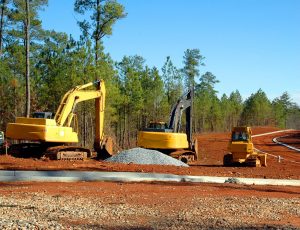
Modern backhoe loaders often feature advanced hydraulic systems that provide precise control and increased power for demanding tasks. Operators can also benefit from ergonomic controls, making the machine easier and more comfortable to use.
Applications of Backhoe Loaders
Backhoe loaders are incredibly versatile and are used in a wide range of industries and applications. Some of their most common uses include:
- Construction: Digging foundations, trenches, and utility lines; transporting materials.
- Landscaping: Grading surfaces, leveling terrain, and removing debris.
- Demolition: Breaking concrete, asphalt, and rocks using specialized attachments.
- Roadwork: Paving, repairing potholes, and breaking up old asphalt.
- Agriculture: Digging irrigation channels and transporting feed or fertilizer.
Thanks to their multifunctionality, backhoe loaders are often the go-to equipment for small-scale projects where space and budget constraints make larger machines impractical.
Brands and Models
Several manufacturers dominate the backhoe loader market, each offering unique features and innovations. Some of the most popular brands include: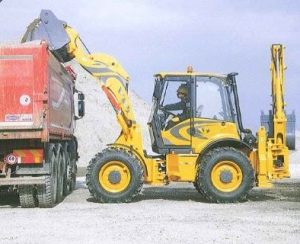
- Caterpillar (CAT): Known for durability and advanced technology.
- John Deere: Offers a wide range of models with excellent operator comfort and fuel efficiency.
- Case: Recognized for powerful hydraulic systems and ease of maintenance.
- JCB: A pioneer in backhoe loader design, offering models with superior versatility.
- New Holland: Combines reliability with innovative features such as efficient fuel systems.
Modern backhoe loaders often come equipped with air-conditioned cabs, ergonomic seats, advanced control systems, and even entertainment features like radios, ensuring operator comfort during long hours of work.
Advantages of Backhoe Loaders
Backhoe loaders offer numerous benefits, making them a preferred choice for various projects:
- Compact Size: Unlike larger excavators or loaders, backhoe loaders are compact, making them suitable for confined spaces and urban environments.
- Versatility: With multiple attachment options, a single machine can perform a variety of tasks, reducing the need for multiple pieces of equipment.
- Ease of Operation: Modern backhoe loaders are designed with user-friendly controls, allowing even novice operators to quickly become proficient.
- Cost-Effectiveness: By combining the functionality of multiple machines, backhoe loaders provide significant cost savings for contractors and operators.
Maintenance and Best Practices
To maximize the lifespan and efficiency of a backhoe loader, regular maintenance is essential. Here are some tips for proper care:
- Daily Inspections: Check hydraulic systems, tires, and attachment connections for wear and tear.
- Fluid Levels: Monitor and top off hydraulic fluid, engine oil, and coolant as needed.
- Cleanliness: Keep the machine clean to prevent dirt and debris from clogging vital components.
- Scheduled Servicing: Follow the manufacturer’s recommended maintenance schedule, including filter replacements and system checks.
- Operator Training: Ensure operators are well-trained to avoid misuse and maximize efficiency.
Future Trends in Backhoe Loaders
The construction industry continues to evolve, and backhoe loaders are no exception. Manufacturers are integrating cutting-edge technologies to improve efficiency, safety, and sustainability. Some of the latest trends include:
- Electrification: Electric and hybrid models are being developed to reduce emissions and operating costs.
- Autonomous Operation: Self-driving backhoe loaders equipped with GPS and advanced sensors are being tested for repetitive tasks like trenching and grading.
- Smart Systems: Telematics and IoT integration allow real-time monitoring of machine performance, location, and maintenance needs.
- Enhanced Ergonomics: Improved cab designs and intuitive controls are making these machines more comfortable for operators.
Conclusion
The backhoe loader remains a cornerstone of modern construction and excavation projects. Its versatility, ease of use, and adaptability make it an invaluable tool for professionals across various industries. With ongoing advancements in technology and design, backhoe loaders are set to become even more efficient, sustainable, and user-friendly in the years to come.
Diesel Engines in Modern Vehicles