
 By admin
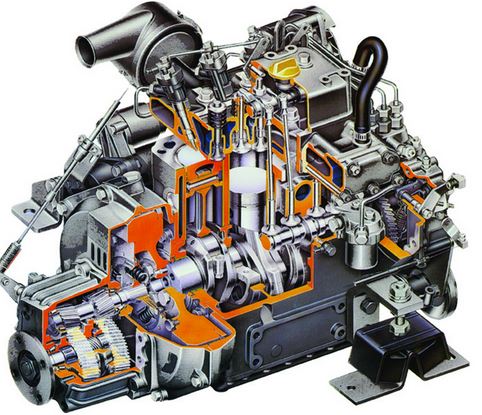
The Comprehensive Advantages of Diesel Engines in Modern Vehicles
Diesel engines have long been a staple in the automotive and industrial sectors, known for their efficiency, durability, and power. Whether you currently own a diesel-powered vehicle or have driven one in the past, you likely recognize the unique benefits they offer. Over the years, advancements in diesel technology have further enhanced these advantages, making diesel engines more appealing than ever. This article explores the key benefits of diesel engines in 2025, highlighting modern innovations and addressing common misconceptions.
1. Superior Fuel Efficiency
One of the most celebrated attributes of diesel engines is their exceptional fuel efficiency. Diesel fuel has a higher energy density compared to gasoline, allowing diesel engines to achieve 20-30% better fuel economy. This advantage is particularly noticeable in long-haul driving and heavy-duty applications, where fuel costs are a significant concern.
Modern diesel engines utilize advanced direct injection systems and turbochargers, optimizing fuel combustion and minimizing waste. These innovations ensure that diesel engines remain a top choice for drivers who prioritize cost-effective fuel consumption.
2. High Torque Output
Diesel engines are renowned for their superior torque, making them ideal for tasks that require substantial pulling power. Whether towing a boat, hauling heavy loads, or navigating steep inclines, diesel-powered vehicles outperform their gasoline counterparts. This high torque is delivered at lower RPMs, providing smoother performance and better control in demanding situations.
The advent of variable geometry turbochargers (VGTs) and electronic control modules (ECMs) has further improved torque delivery in modern diesel engines. These technologies enhance acceleration and responsiveness, addressing earlier criticisms about sluggish performance from a complete stop.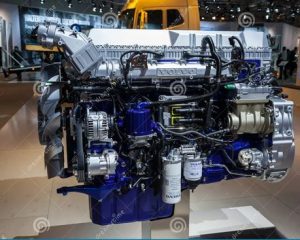
3. Durability and Longevity
Diesel engines are built to withstand high levels of stress and operate under intense conditions, contributing to their reputation for durability. Unlike gasoline engines, diesel engines use compression ignition rather than spark ignition. This design reduces wear and tear on internal components, resulting in a longer lifespan.
Regular maintenance is simpler and less frequent for diesel engines. The absence of spark plugs eliminates the need for periodic tune-ups, and modern synthetic lubricants have further extended oil change intervals. These factors make diesel engines a cost-effective choice for long-term ownership.
4. Cost-Effectiveness in the Long Run
While diesel vehicles often have a higher upfront cost than their gasoline counterparts, their lower operating costs offset this difference over time. Improved fuel efficiency, reduced maintenance expenses, and longer engine life contribute to significant savings for diesel vehicle owners. Additionally, diesel fuel prices remain competitive, especially in regions where it is taxed at a lower rate than gasoline.
5. Environmental Advancements
Historically, diesel engines were criticized for higher emissions of nitrogen oxides (NOx) and particulate matter. However, stringent emissions standards and technological advancements have drastically reduced these pollutants. Modern diesel engines are equipped with selective catalytic reduction (SCR) systems, diesel particulate filters (DPFs), and exhaust gas recirculation (EGR) technologies. These systems ensure compliance with global emissions regulations, making diesel engines cleaner and more environmentally friendly.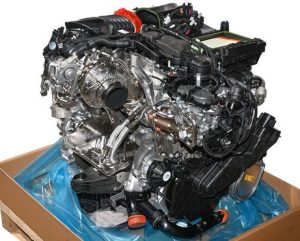
Moreover, the development of renewable diesel fuels and biodiesel blends has further reduced the carbon footprint of diesel-powered vehicles. These alternative fuels are derived from sustainable sources and can be used in existing diesel engines without modification.
6. Enhanced Performance for Commercial Applications
In the commercial sector, diesel engines dominate due to their reliability and efficiency. Trucks, buses, and heavy machinery rely on diesel power to deliver consistent performance under demanding conditions. The robust construction of diesel engines ensures they can handle prolonged operation without compromising efficiency.
Fleet operators benefit from the reduced downtime associated with diesel engines. With proper maintenance, these engines can run for hundreds of thousands of miles, providing unmatched value in industries where reliability is critical.
7. Adaptability to Modern Technology
Diesel engines have seamlessly integrated with modern automotive technologies. Features such as advanced driver-assistance systems (ADAS), hybridization, and connectivity are now commonly available in diesel-powered vehicles. Plug-in hybrid diesel-electric systems, for instance, combine the efficiency of diesel with the eco-friendliness of electric power, offering a balanced solution for eco-conscious drivers.
Addressing Common Misconceptions
Despite their numerous advantages, diesel engines have faced criticism for being noisy, slow, and environmentally harmful. However, modern engineering has effectively addressed these concerns:
- Noise Levels: Innovations in engine design and insulation materials have significantly reduced the noise associated with diesel engines, making them quieter than ever.
- Acceleration: Modern turbocharging and fuel injection technologies have improved acceleration, ensuring that diesel-powered vehicles perform on par with gasoline models.
- Emissions: As mentioned earlier, cutting-edge emissions control systems have made diesel engines compliant with stringent environmental standards.
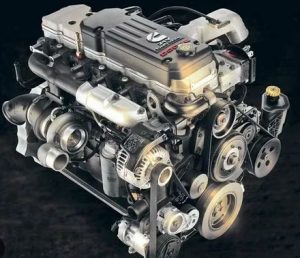
Future Prospects of Diesel Technology
Looking ahead, diesel technology is poised to remain a vital part of the automotive landscape. Ongoing research focuses on improving fuel efficiency, reducing emissions, and integrating renewable energy sources. Hydrogen-powered diesel engines and advanced synthetic fuels are among the innovations that promise to enhance the sustainability of diesel technology.
In sectors such as agriculture, logistics, and construction, diesel engines will continue to be indispensable. Their unmatched power, reliability, and cost-effectiveness ensure that they will remain the backbone of these industries for years to come.
Conclusion
Diesel engines offer a compelling combination of efficiency, durability, and performance. Modern advancements have addressed historical drawbacks, making diesel a viable and sustainable option for a wide range of applications. Whether you are a commercial operator or a private vehicle owner, diesel technology provides long-term value and adaptability to evolving needs. As the automotive industry moves towards a greener future, diesel engines will undoubtedly play a pivotal role in bridging the gap between traditional fuel systems and next-generation innovations.
Green Lightning: A Rare Atmospheric Phenomenon