
 By admin
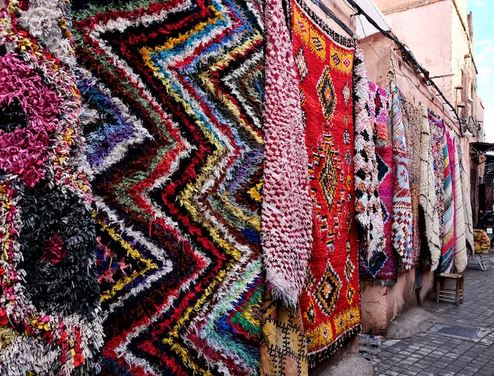
A Comprehensive Guide to Antique Carpets: History, Elegance, and Buying Tips
Antique carpets are not just home furnishings; they are timeless artifacts that exude grandeur, history, and sophistication. These carpets are often revered for their intricate designs, cultural significance, and the exquisite craftsmanship that has been perfected over centuries. Whether used as a focal point in a home or an office, antique carpets offer a glimpse into the traditions and artistic expressions of the past. This guide explores the allure of antique carpets, their origins, artistic value, and essential tips for making an informed purchase.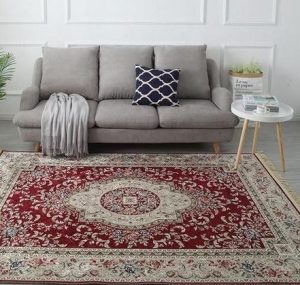
The Allure of Antique Carpets
Antique carpets possess an undeniable charm. They are more than just decorative items; they are works of art that tell stories of bygone eras. From their intricate weaving to their harmonious color palettes, these carpets represent a blend of tradition, ethnicity, and elegance. Each piece reflects the culture and craftsmanship of its region of origin, making every carpet unique.
The motifs and patterns found in antique carpets are incredibly diverse, ranging from geometric designs to intricate floral arrangements. These designs are often inspired by local traditions, natural surroundings, and spiritual beliefs. The rich, vibrant colors used in antique carpets are derived from natural dyes, which age beautifully over time, adding to their allure.
Origins of Antique Carpets
The origins of antique carpets can be traced back thousands of years, with the art of carpet weaving flourishing in regions such as Persia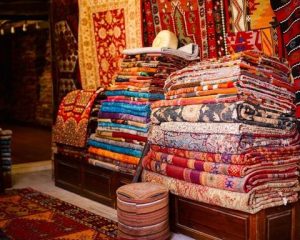 (modern-day Iran), Turkey, India, China, Afghanistan, and the Caucasus. Each region has its own distinctive style and techniques, which are reflected in the carpets they produce.
Persian Carpets
Persian carpets are perhaps the most famous and sought-after antique carpets in the world. Renowned for their intricate patterns and exceptional quality, these carpets often feature floral motifs, arabesques, and medallions. Cities like Kashan, Tabriz, and Isfahan are celebrated centers of Persian carpet weaving.
Turkish Carpets
Turkish carpets, also known as Anatolian carpets, are known for their bold geometric patterns and vibrant colors. These carpets often feature symbolic motifs, such as the “tree of life” or protective talismans, reflecting the region’s rich cultural heritage.
Indian Carpets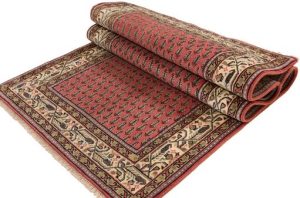
Indian antique carpets, particularly those from Agra, are admired for their Mughal-inspired designs. These carpets often showcase intricate floral patterns and a sophisticated use of color.
Chinese Carpets
Chinese antique carpets are characterized by their soft, subdued color palettes and motifs inspired by nature, such as dragons, clouds, and floral designs. These carpets often have a distinctively luxurious texture.
Caucasian Carpets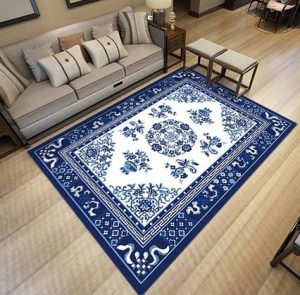
Carpets from the Caucasus region are known for their bold, geometric patterns and vibrant primary colors. These carpets often feature tribal designs that reflect the nomadic lifestyles of their creators.
Why Choose an Antique Carpet?
Antique carpets are not just decorative pieces; they are investments in art and history. Here are some reasons why antique carpets stand out:
- Artistic Integrity: Unlike modern, machine-made carpets, antique carpets are handwoven, showcasing the skill and dedication of the weavers.
- Cultural Significance: Each carpet reflects the traditions, beliefs, and lifestyle of its region of origin.
- Timeless Appeal: The natural dyes and intricate patterns age gracefully, making antique carpets more beautiful with time.
- Investment Value: Genuine antique carpets appreciate in value over the years, making them a worthwhile investment.
Tips for Buying an Antique Carpet
Purchasing an antique carpet requires careful consideration and knowledge. Here are some essential tips to help you make an informed decision: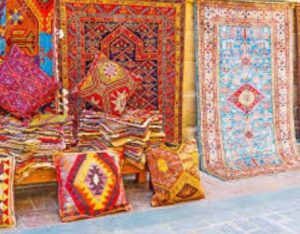
1. Research and Educate Yourself
Before buying an antique carpet, invest time in understanding the basics of carpet weaving, including types of designs, materials, and techniques. Familiarize yourself with the characteristics of carpets from different regions to identify authentic pieces.
2. Verify Age and Origin
Determine the age and origin of the carpet. Genuine antique carpets are typically over 100 years old. The origin can provide insights into the carpet’s style, materials, and craftsmanship.
3. Inspect the Condition
Carefully inspect the carpet for signs of wear and damage, such as holes, moth attacks, or frayed edges. While some wear is expected in antique carpets, extensive damage can significantly reduce their value. Ensure any necessary repairs have been professionally done.
4. Examine the Borders and Edges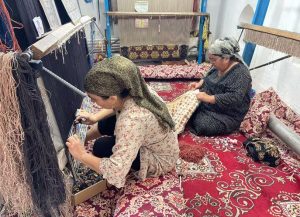
Check if the edges and borders are intact. The presence of original borders is crucial, as they contribute to the carpet’s overall aesthetic and value. Avoid carpets with missing or deliberately cut borders.
5. Assess the Material and Weaving
Antique carpets are typically made from high-quality wool, silk, or a combination of both. The weaving should be tight and uniform. Run your hand over the carpet to feel its texture and density.
6. Beware of Fakes
Be cautious of machine-made carpets or synthetic imitations sold as antique pieces. Genuine antique carpets are handwoven and may have slight imperfections, which add to their charm.
7. Work with Reputable Dealers
Purchase from established and trustworthy dealers who specialize in antique carpets. A reputable dealer will provide detailed information about the carpet’s history, materials, and craftsmanship. They may also offer certification of authenticity.
8. Set a Budget
Antique carpets can be expensive, so set a budget before you start shopping. Keep in mind that quality and authenticity often come at a higher price.
9. Consider Professional Appraisal
If you’re unsure about a carpet’s authenticity or value, consider hiring a professional appraiser. They can provide an unbiased evaluation and help you make an informed decision.
Caring for Your Antique Carpet
Once you’ve acquired an antique carpet, proper care and maintenance are essential to preserve its beauty and value:
- Regular Cleaning: Vacuum the carpet gently to remove dust and dirt. Avoid using harsh cleaning agents.
- Rotate the Carpet: Rotate the carpet periodically to ensure even wear and prevent fading from sunlight.
- Protect from Moths: Use moth repellents or store the carpet in a well-ventilated area to prevent moth damage.
- Professional Cleaning: Have your carpet professionally cleaned every few years by experts who specialize in antique textiles.
Conclusion
Antique carpets are a testament to human creativity and craftsmanship. They bring a sense of history, elegance, and uniqueness to any space. By understanding their origins, appreciating their artistic value, and following the tips outlined above, you can make a confident and informed purchase. Whether you are a seasoned collector or a first-time buyer, an antique carpet is a timeless addition to your home or office, combining functionality with an unparalleled artistic legacy.
Crafting and Selling the Ultimate Home Plan