
 By admin
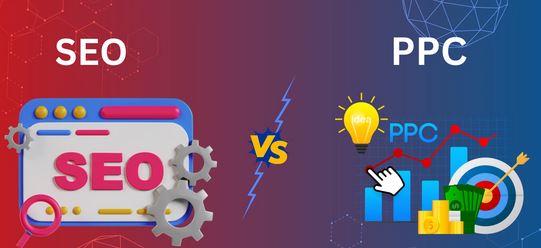
To SEO or To PPC? A Comprehensive Guide to Maximizing Your Online Presence
The internet is a colossal marketplace teeming with opportunities, offering access to millions of potential customers. However, this vast landscape comes with its challenges: fierce competition and an overwhelming amount of digital noise. Simply having a website is no longer enough to thrive in this environment. You must employ strategic marketing techniques to ensure your website stands out and attracts your target audience. Among the most effective strategies are Search Engine Optimization (SEO) and Pay-Per-Click (PPC) advertising. This guide explores both options to help you decide which is best for your business.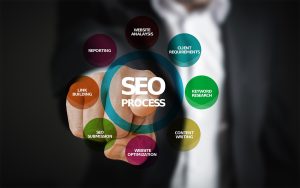
Understanding SEO: The Foundation of Organic Growth
SEO, or Search Engine Optimization, is the process of optimizing your website to rank higher in search engine results pages (SERPs). Research indicates that 60% to 70% of internet users rely on search engines like Google to discover websites. Achieving a high ranking can significantly increase your visibility and drive organic traffic to your site.
How SEO Works
SEO involves a range of techniques, including:
- Keyword Research: Identifying the search terms your target audience uses.
- On-Page Optimization: Enhancing your website’s content, meta tags, and structure to align with search engine algorithms.
- Technical SEO: Improving site speed, mobile-friendliness, and crawlability.
- Link Building: Creating a network of backlinks from reputable websites to boost credibility and authority.
Advantages of SEO
- Cost-Effectiveness: Unlike paid advertising, SEO does not require a per-click fee, making it an attractive option for long-term investment.
- Sustainable Results: Although it takes time—typically six months or more—to see significant results, SEO delivers lasting benefits.
- Enhanced Credibility: High organic rankings signal trustworthiness to users.
Challenges of SEO
- Time-Intensive: Achieving high rankings requires consistent effort and patience.
- Algorithm Changes: Search engine updates can impact your rankings, necessitating ongoing adjustments.
Exploring PPC: Instant Visibility at a Cost
PPC, or Pay-Per-Click advertising, involves paying for ads that appear on search engine results pages or other online platforms. Advertisers bid on keywords, and their ads are displayed based on relevance and bid amounts. You pay only when someone clicks on your ad.
How PPC Works
- Keyword Bidding: Choose the keywords you want your ad to appear for.
- Ad Creation: Craft compelling ad copy to attract clicks.
- Audience Targeting: Define your audience based on location, demographics, or interests.
- Performance Monitoring: Track metrics like click-through rate (CTR) and conversion rate to optimize your campaign.
Advantages of PPC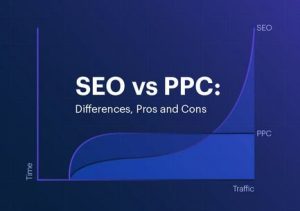
- Immediate Results: Your ads can start driving traffic as soon as the campaign is live.
- Control Over Budget: Set daily or monthly spending limits to stay within your financial plan.
- Targeted Reach: Tailor your ads to specific audiences for higher relevance.
- Performance Insights: Access detailed analytics to measure and refine your campaign.
Challenges of PPC
- Costs Can Add Up: Bidding wars for popular keywords can drive up costs.
- Temporary Benefits: Traffic stops once you pause your campaign.
- Click Fraud Risks: Competitors or bots may generate fraudulent clicks, though most platforms offer protection mechanisms.
Comparing SEO and PPC: Which Is Right for You?
Deciding between SEO and PPC depends on your goals, budget, and timeline. Here’s a side-by-side comparison:
| Factor | SEO | PPC |
|---|---|---|
| Cost | Low ongoing cost | Higher cost per click |
| Time to Results | Long-term (6+ months) | Immediate |
| Sustainability | Long-lasting | Stops when budget runs out |
| Audience Targeting | Broader, less specific | Highly specific |
| Trustworthiness | Perceived as more credible | Seen as advertisements |
When to Choose SEO
- If you’re focused on long-term growth and sustainability.
- If you have a limited budget but can invest time and effort.
- If you want to build credibility and authority in your niche.
When to Choose PPC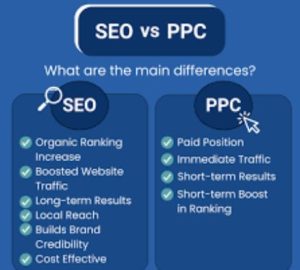
- If you need quick results, such as during a product launch.
- If you have a flexible budget for paid advertising.
- If your target audience is well-defined and easily reachable through ads.
The Ideal Approach: Combining SEO and PPC
While both strategies have their strengths, combining SEO and PPC can yield the best results. Here’s how:
- Use PPC for Immediate Traffic: Launch PPC campaigns to drive quick traffic while your SEO efforts gain traction.
- Leverage Data Synergies: Use PPC data to identify high-performing keywords and integrate them into your SEO strategy.
- Enhance Brand Visibility: Dominate both organic and paid search results for maximum exposure.
- Target Different Goals: Use PPC for promotions and SEO for consistent traffic.
Conclusion
The decision between SEO and PPC boils down to your business objectives, resources, and timeline. SEO is a powerful tool for building a strong, sustainable online presence, while PPC offers immediate visibility and precise targeting. By understanding the unique benefits and challenges of each, you can create a tailored marketing strategy that drives traffic, increases conversions, and supports your long-term growth.
How to Increase Sales Through Streaming Audio