
 By admin
Pay-per-click (PPC) search engine advertising has long been a cornerstone of digital marketing, offering businesses a cost-effective method to reach potential customers. In 2008, the industry was valued at approximately $8 billion, and it has experienced substantial growth since then. By 2025, PPC advertising has evolved significantly, incorporating advanced technologies and strategies to enhance lead generation and return on investment (ROI).
The Evolution of PPC Advertising
PPC advertising focuses on generating leads by directing potential buyers to websites offering the products or services they seek. However, the landscape has transformed with the integration of artificial intelligence (AI) and automation. These advancements have streamlined campaign management, allowing for more precise targeting and efficient budget allocation. AI-powered tools analyze vast amounts of data to predict user behavior, enabling advertisers to deliver personalized ads that resonate with their target audience.
Delivering Relevant Content
While driving traffic to a website is crucial, ensuring that visitors find relevant and valuable information upon arrival is equally important. Providing comprehensive and pertinent content not only enhances user experience but also builds trust, increasing the likelihood of conversions. In 2025, content relevance remains a cornerstone of effective PPC campaigns, as informed consumers are more inclined to engage with brands that meet their informational needs.
Qualified Traffic Through Advanced Targeting
One of the primary advantages of PPC advertising is its ability to attract qualified traffic—users actively searching for specific products or services. Advanced targeting options, such as intent-based targeting, have become more sophisticated, allowing advertisers to reach users based on their search intent, demographics, and online behavior. This precision reduces unnecessary clicks from non-prospective buyers, optimizing ad spend and improving ROI.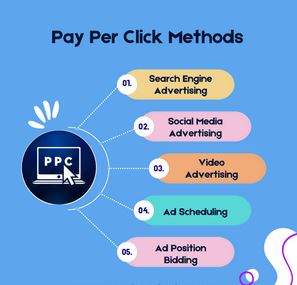
Bidding Strategies and Budget Management
The bidding process for keywords remains competitive, with prices fluctuating based on demand. Budgets for PPC campaigns can range from modest amounts to substantial investments, depending on the number of keywords targeted and the competitiveness of the industry. Implementing smart bidding strategies, powered by AI, helps advertisers optimize their bids in real-time, ensuring cost-effectiveness and maximizing returns.
Key Elements of Successful PPC Campaigns
Effective PPC advertising in 2025 involves several critical components:
- Continuous Monitoring: Regularly tracking campaign performance to identify areas for improvement.
- Data Analysis: Utilizing analytics to understand user behavior and campaign effectiveness.
- Strategic Refinement: Adjusting strategies based on data insights to enhance performance.
Proper management of these elements can lead to significant profits and a higher ROI.
Leveraging Automation and AI
The integration of AI and automation has revolutionized PPC advertising. Automated tools assist in managing bids, segmenting audiences, and personalizing ad content at scale. This automation reduces manual workload and allows for more agile and responsive campaign adjustments, leading to improved performance and efficiency.
Emerging Trends in PPC Advertising
As of 2025, several trends are shaping the PPC landscape:
- Video and Visual Ads: The popularity of video content has surged, with platforms like YouTube, TikTok, and Instagram becoming central to advertising strategies. Short-form videos and interactive visual ads engage users effectively, leading to higher conversion rates.
- Voice Search Optimization: With the proliferation of voice-activated devices, optimizing ads for voice search queries has become essential. This involves understanding natural language patterns and tailoring keywords accordingly.
- Privacy and Data Compliance: Evolving privacy regulations have prompted advertisers to adopt strategies that prioritize user consent and data protection, ensuring compliance while maintaining effective targeting.
Challenges and Considerations
Despite the advancements, PPC advertising presents challenges:
- Increased Competition: The growing number of advertisers has intensified competition for keywords, leading to higher costs.
- Ad Fatigue: Consumers exposed to numerous ads may develop ad fatigue, reducing engagement rates.
- Algorithm Changes: Frequent updates to search engine algorithms require advertisers to stay informed and adapt strategies promptly.
Conclusion
PPC search engine advertising in 2025 is a dynamic and evolving field. By embracing AI and automation, focusing on delivering relevant content, and staying abreast of emerging trends, businesses can effectively leverage PPC to drive qualified traffic and achieve substantial returns on their advertising investments.