
 By admin

Utilizing the Secrets of Opt-in Lists for Effective Email Marketing
Introduction
In today’s digital landscape, email marketing remains one of the most powerful tools for reaching potential customers, building brand awareness, and driving conversions. Traditional mail has largely been replaced by email due to its cost-effectiveness, efficiency, and rapid delivery. A well-maintained email list allows businesses to engage with their audience, promote products, and share valuable content. However, merely having an email list is not enough; the quality of your opt-in list plays a crucial role in determining the success of your email marketing campaign.
This article explores the significance of opt-in lists, strategies for building an effective email list, and best practices for maximizing engagement and conversion rates.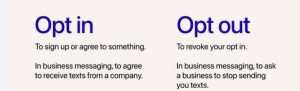
What is an Opt-in List?
An opt-in list is a collection of email addresses that users have voluntarily provided to receive newsletters, promotions, and updates from a business. Unlike purchased email lists, opt-in lists contain subscribers who have shown genuine interest in your brand, making them more likely to engage with your emails.
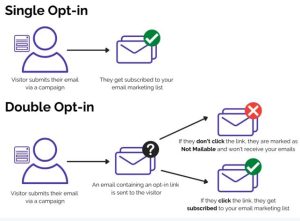
There are two primary types of opt-in lists:
- Single Opt-in – Users enter their email address and are immediately added to the email list without additional confirmation.
- Double Opt-in – Users must confirm their subscription by clicking a link sent to their email, ensuring higher-quality leads.
A well-segmented opt-in list not only enhances email marketing effectiveness but also ensures compliance with privacy regulations such as GDPR and CAN-SPAM.
How to Build a High-Quality Opt-in List
1. Create a Dedicated Website or Landing Page
A dedicated website or landing page serves as a hub where potential subscribers can learn about your brand and sign up for your email list. Key elements of an effective landing page include:
- A clear and compelling call-to-action (CTA)
- An easy-to-use sign-up form
- A brief description of the benefits of subscribing
- Trust signals, such as testimonials or security badges
2. Offer Incentives and Lead Magnets
People are more likely to subscribe if they receive something valuable in return. Some common lead magnets include:
- Free eBooks or whitepapers
- Discount codes or special offers
- Exclusive access to webinars or training sessions
- Free tools, templates, or checklists
Ensure that the incentive aligns with your target audience’s interests to attract quality leads.
3. Leverage Content Marketing
Content marketing plays a significant role in building an opt-in list. By consistently publishing valuable blog posts, articles, and videos, you can attract visitors who are genuinely interested in your content. Embed sign-up forms within your content, offering additional insights or downloadable resources in exchange for their email.
4. Utilize Social Media and Paid Advertising
Promote your email list on social media platforms like Facebook, Instagram, LinkedIn, and Twitter. Running targeted ads with enticing offers can also help attract potential subscribers. Retargeting ads can further engage users who have previously visited your website but haven’t signed up.
5. Host Contests and Giveaways
Contests and giveaways are excellent ways to build an email list quickly. Require participants to enter their email address to join, and ensure that the prize is relevant to your niche to attract the right audience.
6. Collaborate with Industry Influencers
Partnering with influencers or other businesses in your industry can expand your reach. A joint email marketing campaign or a co-branded webinar can introduce your brand to new potential subscribers.
7. Optimize for Mobile Users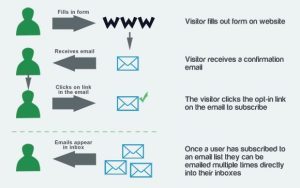
Since a significant portion of internet users browse on mobile devices, ensure that your sign-up forms and landing pages are mobile-friendly. A seamless mobile experience increases the likelihood of conversions.
Best Practices for Managing an Opt-in List
1. Ensure Easy Opt-in and Opt-out Options
Transparency is crucial in email marketing. Clearly state how subscribers’ data will be used and make it easy for them to unsubscribe at any time. An easy opt-out process builds trust and ensures compliance with legal regulations.
2. Segment Your Email List
Segmentation helps deliver personalized content to your subscribers based on their preferences, behaviors, and demographics. Common segmentation criteria include:
- Purchase history
- Geographic location
- Engagement level
- Interests and preferences
3. Personalize Your Emails
Personalization increases engagement. Address subscribers by their names and tailor content based on their past interactions. Dynamic content, such as personalized recommendations, can significantly improve open and click-through rates.
4. Regularly Clean Your Email List
An outdated email list can lead to low engagement and high bounce rates. Regularly remove inactive subscribers and correct invalid email addresses to maintain a healthy list.
5. Test and Optimize Email Campaigns
A/B testing different email formats, subject lines, and sending times can help determine what works best for your audience. Use email analytics to measure key metrics such as open rates, click-through rates, and conversion rates.
Benefits of a Well-Optimized Opt-in List
A well-maintained opt-in list offers numerous advantages, including:
- Higher engagement rates due to targeted and relevant content
- Better deliverability and reduced chances of emails being marked as spam
- Increased customer loyalty and long-term brand relationships
- Cost-effectiveness compared to traditional advertising methods
- Improved conversion rates, leading to higher revenue
Conclusion
Building and maintaining an opt-in list is a valuable investment for any business looking to leverage email marketing. By implementing effective list-building strategies and adhering to best practices, businesses can cultivate a high-quality subscriber base that drives engagement and conversions. The key to success lies in providing value, respecting subscriber preferences, and continuously optimizing email marketing efforts.
What Is Affiliate Marketing?