
 By admin
The Psychology of Singles and Doubles in Tennis
Tennis is a sport that requires a combination of physical agility, mental toughness, and strategic thinking. Whether played as singles or doubles, the psychological and tactical aspects of the game differ significantly. Understanding the unique mental demands and strategies of both formats can help players optimize their performance and maximize their chances of success.
The Mental and Physical Demands of Singles Tennis
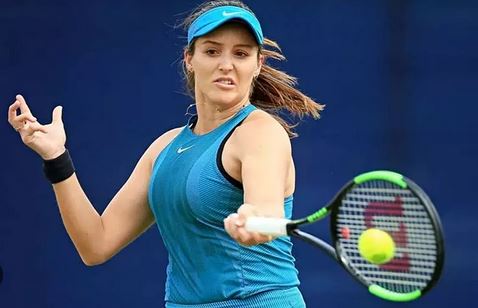
Singles tennis is widely regarded as one of the most physically and mentally demanding sports. It requires a player to cover the entire court, make split-second decisions, and maintain endurance over potentially grueling five-set matches. The solitary nature of singles means that a player’s success is entirely dependent on their individual effort, making mental resilience crucial.
Psychological Aspects of Singles Tennis
- Self-Reliance and Mental Toughness
Since there is no partner to rely on, a singles player must develop a high level of self-confidence and resilience. The ability to stay composed under pressure and bounce back from mistakes is essential. - Decision-Making Under Pressure
Every shot in singles is a calculated risk. Players must evaluate their positioning, their opponent’s weaknesses, and their own strengths to make strategic decisions quickly and efficiently. - Emotional Control

Singles players often experience emotional highs and lows during a match. Staying focused and avoiding frustration is critical to maintaining peak performance. - Adaptability and Tactical Adjustments
Since players have to handle all aspects of the game alone, they must continuously adjust their strategies based on their opponent’s playing style, weather conditions, and their own physical condition.
Strategies for Success in Singles Tennis
- Aggressive Play: Singles players should take calculated risks, aiming to hit powerful shots and capitalize on openings.
- Footwork and Endurance: Speed and stamina are crucial since players must cover the entire court.
- Mental Preparation: Visualization techniques, breathing exercises, and focusing on positive self-talk can enhance performance.
- Exploiting Opponent Weaknesses: Identifying and targeting an opponent’s weak spots can turn the match in one’s favor.
The Psychological and Strategic Nature of Doubles Tennis
Doubles tennis, on the other hand, is a game of coordination, teamwork, and communication. It requires a different mental approach compared to singles since success is contingent on the synergy between two players.
Psychological Aspects of Doubles Tennis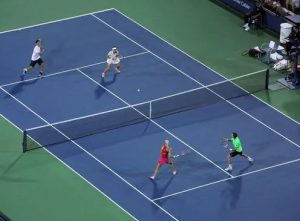
- Teamwork and Communication
Unlike singles, where a player is solely responsible for their actions, doubles requires constant coordination with a partner. Effective communication and trust are essential for seamless gameplay. - Strategic Placement and Court Coverage
Players must anticipate not only their opponent’s moves but also their partner’s positioning. Strategic shot placement and court coverage can dictate the pace of the match. - Support and Encouragement
Partners must maintain a positive attitude and encourage each other, especially during tough moments. Negative emotions can disrupt teamwork and lead to errors. - Handling Pressure Together
While singles players experience pressure alone, doubles players must manage it collectively. Keeping a calm and composed mindset as a team can lead to better decision-making.
Strategies for Success in Doubles Tennis
- Effective Positioning: The ideal doubles formation involves one player at the net and the other covering the baseline. This setup maximizes court coverage and attacking opportunities.
- Consistency Over Power: Unlike singles, where aggressive play is often rewarded, consistency and precision are more valuable in doubles.

- Targeting Weak Links: Identifying the weaker opponent and directing more shots towards them can disrupt the opposing team’s rhythm.
- Volleying and Net Play: Doubles is won at the net, making quick reflexes and aggressive net play crucial.
- Strategic Serving and Return: A well-placed serve can set up a winning volley. Returns should be low to prevent easy smashes by the opposing team.
Comparing Singles and Doubles Psychology
| Aspect | Singles | Doubles |
|---|---|---|
| Physical Demands | High endurance, full-court coverage | Shared coverage, quick reflexes |
| Mental Resilience | High self-reliance, emotional control | Trust and cooperation with partner |
| Tactics | Aggressive shots, adaptability | Teamwork, strategic positioning |
| Pressure Handling | Sole responsibility, high stress | Shared pressure, mutual support |
| Communication | Minimal, self-focused | Constant interaction with partner |
Common Mistakes and How to Avoid Them
Singles Mistakes:
- Lack of patience: Rushing points instead of constructing them strategically.
- Ignoring opponent weaknesses: Not exploiting an opponent’s vulnerabilities can lead to missed opportunities.
- Emotional instability: Allowing frustration to affect performance.
Doubles Mistakes:
- Poor communication: Miscommunication leads to missed shots and confusion.
- Not attacking the net: Staying back instead of playing aggressively at the net can reduce winning chances.
- Blaming a partner: Negative attitudes can destroy team chemistry.
Conclusion
While both singles and doubles require skill, strategy, and mental fortitude, they differ in their psychological and tactical demands. Singles tennis is a test of individual endurance and mental strength, whereas doubles emphasizes teamwork, coordination, and shared decision-making. Players who understand and embrace the unique aspects of each format can enhance their game and achieve greater success on the court.
Net Play Tactics for Competitive Tennis