
 By admin

The Evolution of Fashion in the United Kingdom: Sustainability, Innovation, and Inclusivity in 2025
Fashion in the United Kingdom has long been a dynamic and influential force, reflecting the country’s rich history, cultural diversity, and spirit of innovation. In 2025, the British fashion scene continues to evolve, embracing sustainability, technological advancements, and inclusivity. This article explores the current state of fashion in the UK, highlighting key trends, industry challenges, and the country’s role on the global stage.
A Legacy of Style
The UK has an esteemed fashion legacy, with cities like London serving as epicenters of style and creativity. From the Mod culture of the 1960s to the Punk movement of the 1970s, British fashion has consistently pushed boundaries. Today, designers continue to draw inspiration from the past while integrating contemporary aesthetics, ensuring that British fashion remains at the forefront of global trends.
Sustainability at the Forefront
Sustainability has become a cornerstone of the British fashion industry in recent years. Consumers are increasingly aware of the environmental impact of their purchases, prompting brands to adopt eco-friendly practices. Key initiatives include the use of organic materials, ethical sourcing, and transparent supply chains. The UK government has also implemented regulations to promote sustainable practices, encouraging businesses to reduce waste and minimize their carbon footprint. Many brands now incorporate circular fashion principles, emphasizing recycling, upcycling, and responsible production.
Technological Integration in Fashion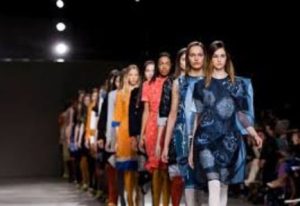
The fusion of technology and fashion is a defining characteristic of the modern UK fashion landscape. Brands leverage digital platforms to enhance customer experiences, utilizing virtual reality (VR) and augmented reality (AR) for virtual try-ons and immersive shopping experiences. Additionally, the rise of e-commerce has transformed retail, with online sales constituting a significant market share. Innovations such as 3D printing and wearable technology are also gaining traction, offering new creative possibilities and redefining the concept of fashion design.
Promoting Inclusivity in Fashion
Inclusivity has become a fundamental value in the British fashion industry. Designers and brands prioritize diversity, ensuring representation across various ages, genders, body types, and ethnicities. Adaptive fashion, designed for individuals with disabilities, is gaining prominence, reflecting a commitment to accessibility. Fashion shows and campaigns now feature a broader range of models, challenging traditional beauty standards and promoting a more inclusive industry.
Economic Contributions and Industry Challenges
Fashion remains a crucial component of the UK economy, contributing significantly to employment and GDP. However, challenges persist, particularly in the aftermath of Brexit, which has introduced trade complexities, and the lasting effects of the COVID-19 pandemic. Supply chain disruptions and fluctuating consumer demand have necessitated rapid adaptation, emphasizing the need for resilience and innovation in the industry.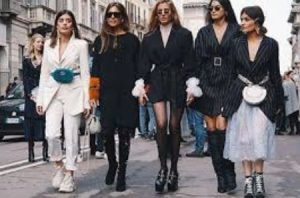
London Fashion Week: A Global Platform
London Fashion Week (LFW) continues to be a premier event, showcasing British creativity and diversity. Since 2025, LFW has adopted a hybrid format, combining physical runway shows with digital presentations to reach a global audience. This approach has expanded accessibility, allowing international fashion enthusiasts and industry professionals to engage with UK fashion from anywhere in the world.
The Rise of Circular Fashion
Circular fashion is gaining momentum in the UK, with designers and brands pioneering sustainable practices that extend the lifespan of clothing. Upcycling, resale platforms, and rental fashion services are becoming mainstream, reducing waste and promoting responsible consumption. Leading fashion houses are embracing innovative materials, such as biodegradable fabrics and recycled textiles, reinforcing the UK’s commitment to sustainability.
Educational Institutions as Catalysts for Innovation
The UK’s esteemed fashion schools, including Central Saint Martins and the London College of Fashion, play a pivotal role in shaping the future of the industry. These institutions cultivate emerging talent, fostering creativity and sustainability-driven design philosophies. Graduates from these programs continue to make significant contributions to both national and international fashion landscapes.
Global Influence and Collaborations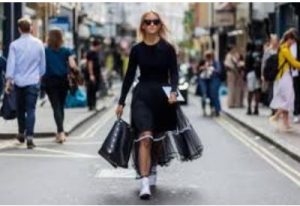
British fashion maintains a strong global presence, with designers and brands engaging in international collaborations. The UK’s multicultural landscape influences its fashion scene, creating a melting pot of styles that resonate worldwide. British designers frequently partner with global brands, merging diverse perspectives and pushing the boundaries of innovation.
Future Outlook
The British fashion industry is poised to continue its trajectory of innovation and adaptability. Digital transformation, sustainability, and inclusivity will remain central themes. As consumer preferences evolve, the industry must remain agile, balancing heritage with modern trends. With a commitment to responsible fashion, the UK is well-positioned to lead the charge in shaping the future of global fashion.
Conclusion
The UK fashion landscape in 2025 represents a harmonious blend of tradition and modernity. With an unwavering commitment to sustainability, technological integration, and inclusivity, the industry is well-equipped to navigate contemporary challenges. As British fashion continues to influence and be influenced by global trends, it remains a testament to creativity, resilience, and collaboration.
The Secret to a Lasting Relationship