
 By admin
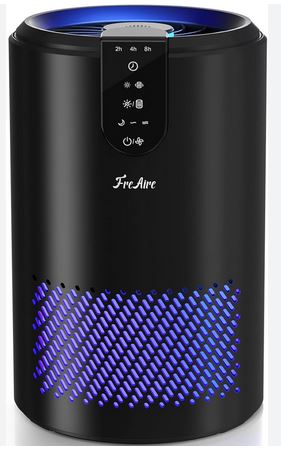
Comprehensive Air Purifier Buying Guide: What You Need to Know
Introduction
In today’s polluted environments, the air inside our homes can often be more contaminated than outdoor air, leading to numerous health concerns. Air purifiers are indispensable tools for safeguarding our respiratory health, reducing allergens, and improving overall living conditions. This detailed guide will navigate you through the labyrinth of air purifier options, technologies, and considerations to make an informed purchase that best suits your needs.
Why You Should Consider an Air Purifier
Health Implications
-
Allergy Management: Air purifiers can drastically cut down on airborne allergens, providing relief to millions suffering from respiratory issues like asthma or hay fever.
-
Pathogen Reduction: With the rise in awareness about airborne illnesses, including viruses like influenza and SARS-CoV-2, air purifiers with appropriate technologies can help mitigate these risks.
-
Odor Neutralization: From pet smells to cooking odors, these devices can keep your home smelling fresh by removing VOCs (volatile organic compounds).
Environmental Factors
-
Urban Living: In densely populated areas, where pollution from traffic or construction is high, indoor air quality can be significantly improved.
-
Smoke Control: Whether from smoking, wildfires, or cooking, smoke can be effectively managed with the right air purifier.
Understanding Types of Air Purifiers
1. HEPA Filters
-
Efficiency: Designed to capture 99.97% of particles at 0.3 microns in size, making them excellent for allergens.
-
Application: Ideal for homes with pets, frequent dust, or pollen issues.
-
Certification: Look for genuine HEPA certification to ensure quality.
2. Activated Carbon Filters
-
Absorption: Excels at absorbing odors, chemicals, and VOCs.
-
Combination: Often paired with HEPA filters for a dual-action approach to air purification.
3. UV-C Light Purifiers
-
Sterilization: Effective at destroying biological contaminants like bacteria and viruses.
-
Safety: Ensure UV-C purifiers are designed to not emit harmful ozone.
4. Ionic Air Purifiers
-
Ionization: Release negative ions to attract and clump particles, making them easier to remove.
-
Concerns: Can produce ozone if not managed properly; effectiveness varies with particle size.
5. Ozone Generators
-
Operation: Produce ozone to eliminate odors and mold, but at the cost of air quality.
-
Health Risks: Ozone can be harmful if inhaled in significant amounts, making these devices controversial for home use.
Key Considerations When Buying an Air Purifier
1. Room Size and Coverage
-
CADR Rating: This metric helps match the purifier to the room size. A higher CADR means faster air cleaning for larger spaces.
2. Filtration System and Maintenance
-
Filter Replacement: Consider the longevity and cost of filters. Some might require monthly changes, while others can last up to a year.
-
Reusability: Pre-filters that can be washed or vacuumed can save money over time.
3. Noise Levels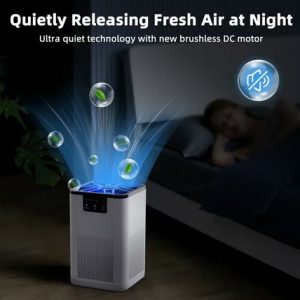
-
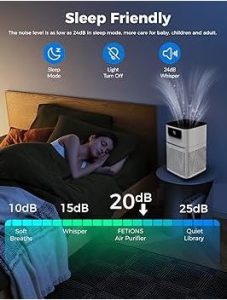
Quiet Operation: Essential for use in bedrooms or quiet areas. Look for models with sleep modes or adjustable fan speeds.
4. Energy Efficiency
-
Eco-Friendly: Energy Star labeled models ensure you’re not trading air quality for high electricity bills.
5. Smart Features
-
Automation: Air quality sensors, app controls, and modes like sleep or auto can significantly enhance user experience.
6. Aesthetic and Design
-
Integration: Choose a design that fits your home decor, especially if it’s a prominent feature in living spaces.
Popular Air Purifier Brands
-
Dyson: Known for cutting-edge design and technology, often at a premium price.
-
Blueair: Silent operation with high-efficiency filters, great for nurseries or bedrooms.
-
Honeywell: Offers a wide range from budget to premium, known for durability.
-
Levoit: Provides cost-effective solutions with good consumer reviews on performance.
-
Coway: Balances aesthetics with functionality, popular in both design and performance.
-
Philips: Integrates health monitoring features with their air purification systems.
Where to Buy Air Purifiers
-
Physical Stores: Allows for a tangible comparison, especially useful for assessing noise and design.
-
Online: Offers a broader selection, reviews, and sometimes better pricing. Look for comprehensive product descriptions and customer feedback.
Importance of Reading Customer Reviews
-
Real-World Performance: Reviews can highlight issues or benefits not covered in marketing, like actual noise levels or maintenance costs.
-
Bias Awareness: Be aware of overly positive or negative reviews; seek out those with detailed, balanced commentary.
Avoiding Costly Mistakes
-
Filter Economics: Some models might lure with low initial costs but saddle you with expensive filter replacements.
-
Health Over Hype: Avoid devices that might compromise air quality for the sake of odor removal, like certain ozone generators.
HEPA vs. Non-HEPA Filters
-
Standard vs. Claims: HEPA filters have a regulated standard, while terms like “HEPA-type” or “HEPA-like” might not offer the same performance.
Maintaining Your Air Purifier
-
Scheduled Maintenance: Follow manufacturer’s advice on filter changes to maintain efficiency.
-
Cleanliness: Regular cleaning of pre-filters can extend the life of main filters and improve performance.
-
Air Quality Monitoring: Use built-in or external sensors to adjust settings based on real-time air quality.
Conclusion
Investing in an air purifier isn’t just about buying a device; it’s about choosing a partner for healthier living. By understanding the nuances of air purification technology, maintenance costs, and operational features, you can select an air purifier that not only cleans your air but fits seamlessly into your lifestyle and budget.
The Science Behind Vacuum Cleaners