
 By admin
Do Not Let the Furnishings Fool You: A Guide to Evaluating Apartment Layouts Effectively
Introduction
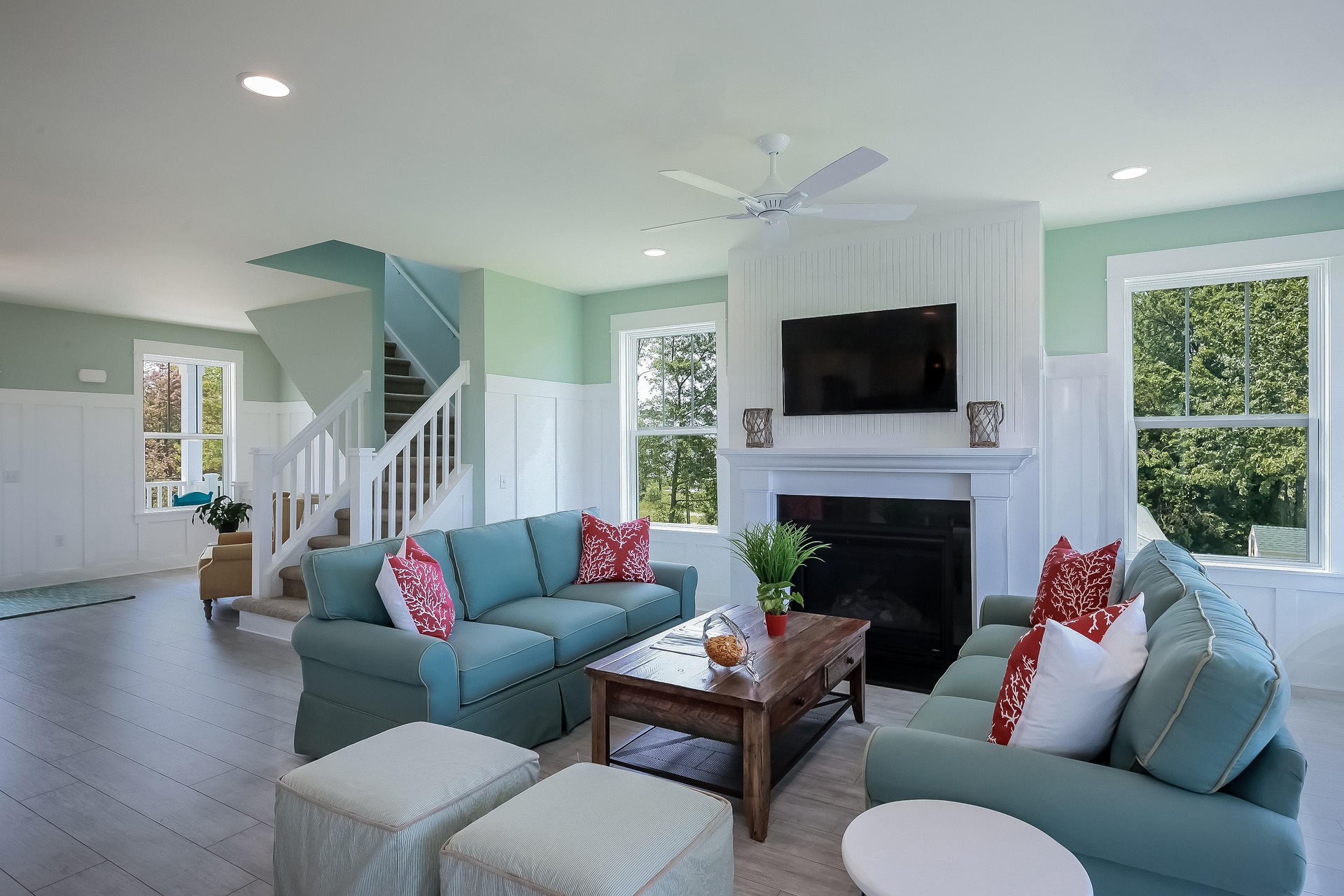
When searching for a new apartment, prospective renters are often shown beautifully furnished model units that create an illusion of spaciousness, comfort, and functionality. While these models are designed to highlight the best aspects of the apartment, they can sometimes be misleading. Factors such as bed size, furniture quantity, and layout manipulation can distort the true usability of the space. Understanding these tricks and knowing how to properly assess an apartment’s layout will help renters make informed decisions.
This comprehensive guide will delve into key aspects of evaluating a furnished apartment, including bed size impact, furniture quantity, strategic layouts, and additional considerations such as lighting and storage space. By the end of this article, you will be equipped with practical tips to avoid common pitfalls and choose an apartment that truly suits your lifestyle.
1. The Importance of Bed Size in Room Perception
How Bed Size Affects Space Perception
The size of a bed significantly impacts how large or small a bedroom feels. Many model apartments use smaller beds to create a false sense of spaciousness. A full-sized bed, for example, occupies much less space than a queen or king-sized bed, allowing for more open floor area and making the room seem bigger than it actually is.
Comparing Your Bed to the Model’s Setup
Renters should ask leasing agents for bed size specifications and bring a measuring tape to compare dimensions. Here’s how different bed sizes impact bedroom space:
- Full vs. Queen: A queen-sized bed is larger and reduces available walking space compared to a full-sized bed.
- Queen vs. King: A king-sized bed can dominate a smaller bedroom, making it difficult to fit additional furniture.
Practical Tip: Before committing to an apartment, measure your current bed and compare it to the model unit’s setup. If you have a larger bed, visualize how it will fit within the room to avoid unexpected space constraints.
2. Evaluating Furniture Quantity and Its Impact on Perceived Space
Minimalist Furniture Tricks
Model apartments often feature minimalist furniture arrangements that maximize floor space and create an illusion of openness. For example, a dining table may have only two chairs instead of four, making the dining area seem more spacious.
Real-Life Furniture Needs
Most renters have more furniture than what is displayed in a model unit. Consider the following real-life furniture additions:
- Bedrooms: While a model bedroom may only have a bed and a single nightstand, a real bedroom setup typically includes a dresser, additional nightstands, and possibly a desk.
- Living Rooms: A model unit may have a small couch and a coffee table, but real-life setups often include bookshelves, entertainment centers, and multiple seating options.
Practical Tip: Make an inventory of your current furniture and mentally place each item in the model unit. This will help you determine if the space will feel cramped once fully furnished.
3. The Influence of Furniture Layout on Functionality
How Layout Manipulation Affects Perception
Even if a model unit includes all necessary furniture, the way it is arranged can influence how spacious the apartment feels. Some layouts may not reflect practical, everyday use.
Common Layout Manipulations
- Living Room: A couch positioned at an angle or facing away from the TV to create more walking space.
- Dining Area: Tables pushed against walls to maximize open areas.
Logical Layout Considerations
When assessing a space, visualize a realistic furniture arrangement:
- Living Room: Ensure there’s enough space for comfortable seating and entertainment setup.
- Bedroom: Consider where dressers, nightstands, and lamps will fit without making the room feel overcrowded.
- Kitchen & Dining Area: Check if there’s enough space for meal preparation and seating.
Practical Tip: Ask yourself if the current furniture layout is logical for daily living. If it feels too open, consider how the space will function once fully furnished.
4. Additional Factors to Consider When Evaluating an Apartment
Storage Space
Some model apartments use creative storage solutions that may not be practical for everyday use. Assess available closet space, cabinetry, and storage areas to ensure they meet your needs.
Lighting and Natural Light Exposure
Lighting plays a crucial role in how spacious a room feels. Many model units use bright artificial lighting to enhance the sense of openness. When visiting an apartment:
- Check how much natural light it receives during different times of the day.
- See if artificial lighting compensates for any dim areas.
Wall Colors and Mirrors
Light-colored walls and strategically placed mirrors are common tricks used to make a room appear larger than it actually is. While these enhancements create an aesthetically pleasing environment, they do not change the actual square footage.
Practical Tip: Consider how lighting and color choices contribute to space perception, and think about how your own décor preferences may alter the feel of the space.
Conclusion
Model apartments are expertly staged to present an idealized version of the living space. However, renters should look beyond these design tactics and critically evaluate whether the apartment meets their practical needs. By focusing on key aspects such as bed size, furniture quantity, layout functionality, and additional considerations like lighting and storage, renters can make informed decisions and avoid unpleasant surprises after moving in. Always measure, visualize, and ask the right questions to ensure that the apartment will comfortably accommodate your lifestyle.
Mastering Your 2025 Kitchen Remodel