
 By admin
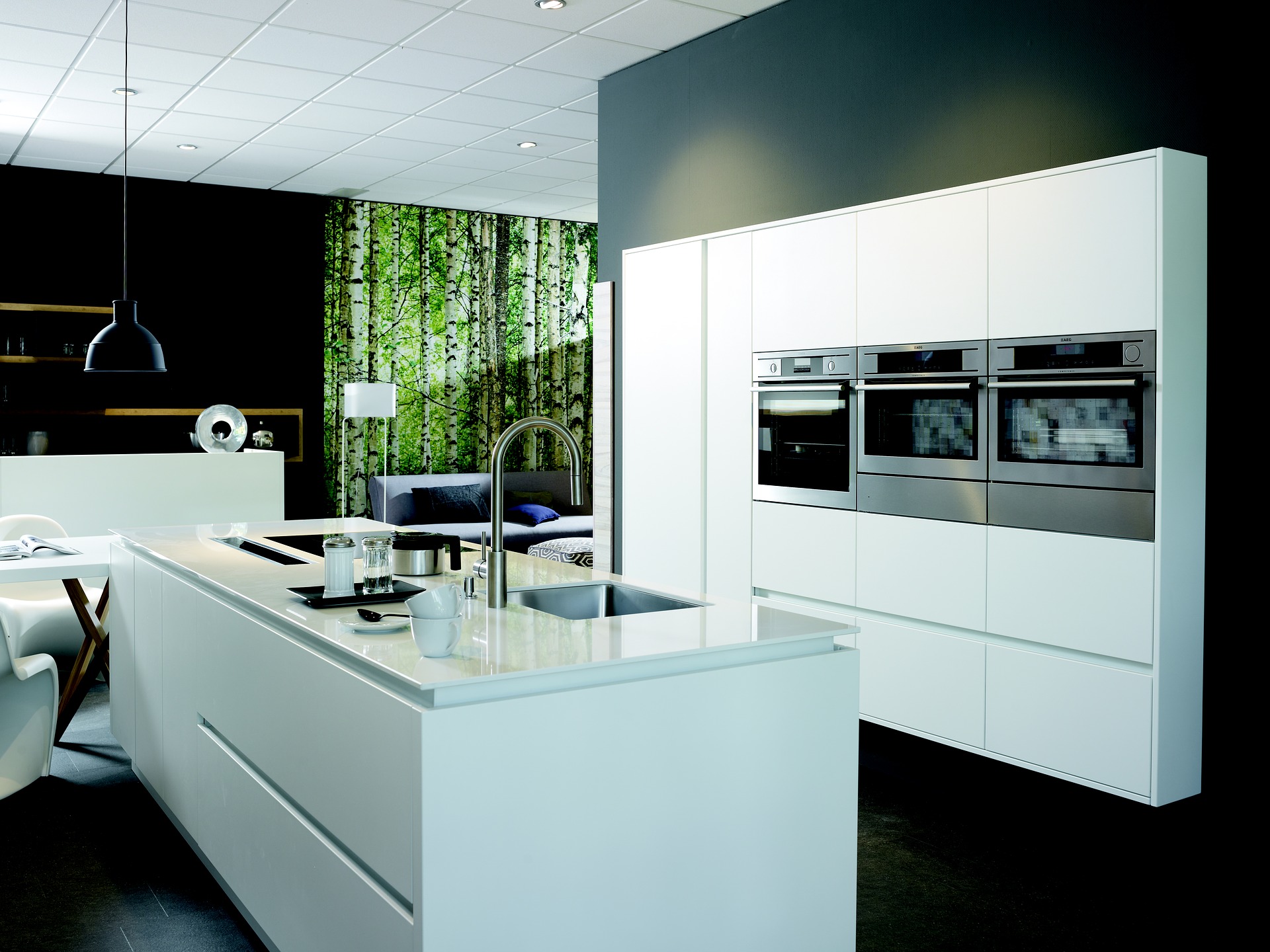
Revamping your kitchen is a transformative journey that marries practicality with personal style, turning one of the most essential rooms in your home into a space that’s both functional and visually stunning. Whether you’re contemplating a minor refresh or a full-blown renovation, diving deep into the latest design trends, selecting durable materials, and mastering the tools of the trade are non-negotiable steps to ensure your project shines. Let’s unpack every layer of this process—from vision to execution—while weaving in hard data, practical insights, and expert-level details to guide you through a 2025 kitchen remodel.
Laying the Foundation: Defining Your Remodel Goals
Before you even think about picking out countertops or tools, you need a crystal-clear vision. What’s driving your remodel? Are you chasing a total transformation—new cabinetry, countertops, flooring, appliances, and lighting—or are you laser-focused on specific upgrades, like swapping out an outdated backsplash or installing smart fixtures? The scope of your project will dictate everything: timeline, budget, and material choices. For instance, a full remodel might take 6-12 weeks and cost upwards of $75,000, according to Remodeling Magazine’s 2025 Cost vs. Value Report, while a targeted refresh could wrap up in under a month for $15,000-$25,000.
Ask yourself practical questions: Do you need more storage? Is workflow a pain point? Are aesthetics or resale value your priority? Homeowners who clarify their objectives early are 30% more likely to stay on budget and timeline, per a 2024 Houzz survey. Write down your must-haves versus nice-to-haves, then rank them. This roadmap will keep you grounded when faced with endless design options or unexpected hurdles.
2025 Kitchen Design Trends: What’s Hot and Why It Works
Staying ahead of design trends isn’t just about aesthetics—it’s about ensuring your kitchen remains relevant, functional, and valuable. In 2025, kitchen design leans hard into bold statements, natural elements, and tech-forward solutions. Here’s a deep dive into the top trends, backed by data and real-world applications.
Concealed Kitchens: The Minimalist Revolution
Minimalism isn’t a fad—it’s a lifestyle. Concealed kitchens, with their built-in appliances, flush cabinetry, and appliance garages, are the pinnacle of this trend. Imagine a kitchen where every element disappears behind sleek panels, creating a seamless flow into living spaces. This isn’t just pretty; it’s practical. By hiding appliances, you reduce visual clutter, making small or open-plan kitchens feel larger. The National Kitchen & Bath Association (NKBA) found that 68% of 2024 remodels prioritized open layouts, with concealed designs leading the charge. Brands like Poggenpohl and Bulthaup are pushing this aesthetic, offering modular systems that integrate fridges, ovens, and even coffee makers into cabinetry.
Bold Cabinet Colors: Luxury in Layers
Neutral cabinets are out. Deep, moody hues—think navy blue, forest green, and burgundy—are in, adding drama and sophistication. These colors aren’t just trendy; they’re timeless when paired with the right materials. For example, a matte navy cabinet against a white oak island creates a striking contrast that feels both modern and classic. Houzz’s 2025 Kitchen Trends Report shows a 42% spike in dark cabinetry, with 35% of homeowners choosing matte finishes over glossy for their low-maintenance appeal. If you’re hesitant, start small—paint lower cabinets bold and keep uppers neutral for balance.
Natural Wood Finishes: Warmth Meets Versatility
Natural wood, particularly white oak, is having a moment. Its light grain and warm undertones bring texture and balance, softening the starkness of modern designs. Wood cabinetry isn’t just decorative; it’s durable, with a lifespan of 30-50 years if sealed properly. In 2023, 55% of high-end remodels featured wood finishes, per Kitchen & Bath Design News, with white oak and walnut leading at 28% and 15%, respectively. Pair wood with brass hardware or stone countertops for a layered, organic look that works across styles—rustic, Scandinavian, or contemporary.

Integrated Kitchen Islands: The Heart of the Home
Kitchen islands have evolved from simple prep surfaces to multifunctional powerhouses. In 2025, they’re bold, practical, and packed with features: think integrated sinks, stovetops, wine coolers, or pull-out storage. A 2024 American Institute of Architects (AIA) study found that 73% of homeowners see islands as non-negotiable, with 45% opting for contrasting materials—like a black granite island against white perimeter counters. Size matters, too. The NKBA recommends at least 42 inches of clearance around islands for traffic flow, with 60 inches ideal for seating. If space is tight, consider a slim peninsula or a rolling cart as a flexible alternative.
Earth-Toned Palettes: Nature-Inspired Serenity
Earthy colors—olive green, terracotta, clay browns—are dominating 2025 kitchens, reflecting a cultural shift toward biophilic design. These muted tones create a calming, grounded vibe, especially when paired with natural materials like stone or bamboo. Elle Decor reports that 60% of 2025 designs incorporate earthy palettes, with 25% using terracotta tiles as backsplashes or flooring. Data from Sherwin-Williams shows olive green as the top kitchen paint color, chosen by 18% of homeowners for its versatility. Use earth tones as accents—think a sage green island or clay-toned cabinet pulls—to avoid overwhelming the space.
Smart Technology: Function Meets Future
Tech is no longer optional. Smart appliances, like Wi-Fi-enabled ovens or fridges with touchscreens, are standard in 40% of 2025 remodels, per the Consumer Technology Association. Motion-sensor faucets, under-cabinet lighting, and voice-activated assistants (like Amazon’s Alexa) streamline tasks and save energy. A 2024 Energy Star report notes that smart appliances cut energy use by 15-20%, translating to $200-$300 in annual savings. If you’re tech-shy, start small—a smart thermostat or LED strip lights can make a big impact without breaking the bank.
Materials That Last: Quality Over Hype
Your kitchen’s longevity hinges on material choices. Skip the trendy-but-flimsy options and invest in durability, beauty, and ease of maintenance. Here’s a granular look at what works.
Countertops: Quartz, Granite, and Beyond
Countertops take a beating, so prioritize resilience. Quartz is the gold standard: non-porous, stain-resistant, and available in endless colors and patterns. It’s installed in 48% of 2025 remodels, per HomeAdvisor, thanks to its low upkeep (no sealing required). Granite, at 29%, offers natural veining and heat resistance, though it needs annual sealing. Marble, while gorgeous, is softer and prone to etching—save it for low-traffic areas or as an accent. Emerging materials, like sintered stone (e.g., Neolith), are gaining traction for their ultra-durability and lightweight build, used in 12% of upscale projects.
Flooring: Hardwood, Tile, and Vinyl
Flooring sets the foundation—literally. Hardwood, especially oak or hickory, is timeless, with a 50+ year lifespan and a 70% ROI on resale, per the National Wood Flooring Association. Tile, at 35% of 2024 remodels, is unbeatable for moisture-prone kitchens, with porcelain offering superior water resistance over ceramic. Luxury vinyl plank (LVP) mimics wood or stone at a fraction of the cost, installed in 20% of budget-friendly projects. If sustainability matters, look into cork or bamboo—both renewable and shock-absorbent, though less common at 5% market share.
Backsplash: Seamless and Stylish
Backsplashes are both shields and showpieces. Extending countertop materials—like quartz or granite—up the wall is a 2025 favorite, seen in 52% of projects, per House Beautiful. This full-height approach minimizes grout, simplifies cleaning, and creates a cohesive look. For texture, hand-painted tiles or glass mosaics add personality without overwhelming. If budget’s tight, peel-and-stick tiles are a DIY-friendly option, though they lack the durability of real stone or ceramic.

Cabinetry: Wood, Laminates, and Custom Touches
Cabinets are the backbone of storage and style. Solid wood—maple, cherry, or oak—dominates high-end remodels, offering unmatched strength and grain beauty. High-pressure laminates, like Formica, are budget-savvy, resisting scratches and moisture while mimicking pricier finishes. Two-tone cabinetry (e.g., navy lowers, white uppers) adds depth, seen in 25% of 2025 designs. For a custom feel, add soft-close hinges or pull-out organizers—small upgrades that boost functionality without major cost.
Tools of the Trade: Precision and Power
A remodel’s success depends on execution, and that starts with tools. Whether you’re DIYing or assisting a pro, these essentials will carry you through.
Cordless Drill/Driver: Your Workhorse
A cordless drill is non-negotiable. It drives screws, drills holes, and tackles everything from cabinet installs to fixture mounts. Models like the DeWalt 20V MAX or Milwaukee M18 offer variable speeds and 18-volt power, handling 92% of DIY tasks, per a 2024 Tools & Home Improvement study. Look for ergonomic grips and battery life (at least 2.0 Ah) for all-day use.
Saws: Cutting Through Complexity
Saws are your cutting crew. Circular saws slice plywood or MDF with speed, while jigsaws handle curves—like sink cutouts. Table saws deliver precision for cabinetry or trim, though they’re bulkier. For small jobs, a hand saw or miter box works. Each saw has a niche, so match the tool to the task. A 2023 Popular Mechanics review ranks the Bosch 4100XC table saw as the best for DIY remodels, with a 30-inch rip capacity.
Measuring Tools: Accuracy Is Everything
Mistakes cost time and money. A 25-foot tape measure (Stanley PowerLock is a classic) ensures exact dimensions, while a 4-foot level keeps cabinets and counters plumb. Framing squares check right angles, critical for corners and islands. Laser levels, like the Bosch GLL40-20G, are game-changers for large spaces, projecting lines with 1/8-inch accuracy at 40 feet.
Safety Gear: Protect Yourself
Safety gear isn’t optional—it’s mandatory. Protective glasses block debris, gloves shield hands, and earplugs muffle saws or drills (most exceed 85 decibels, per OSHA). Dust masks or respirators are critical for sanding or cutting MDF, which releases fine particles. A 2024 OSHA report shows PPE reduces injuries by 60%, with eye protection alone preventing 90% of debris-related incidents.
Sourcing Smarts: Where to Buy and Why
Materials and tools don’t magically appear. Local stores—like Home Depot, Lowe’s, or regional lumberyards—offer hands-on access and expert advice, plus same-day pickup. Online giants, such as Wayfair, Build.com, or Ferguson, provide broader selections and competitive pricing, though shipping can add 10-15% to costs. For unique finds, specialty suppliers—like reclaimed wood vendors or stone quarries—deliver custom options. Sustainability-focused retailers, such as Green Building Supply, offer eco-friendly materials like bamboo or recycled glass, used in 18% of 2025 remodels, per the U.S. Green Building Council.
Budgeting Like a Pro: Plan, Track, Adjust
Money talks, and remodels can get loud. The average mid-range kitchen remodel in 2025 costs $75,000, with high-end projects hitting $150,000, per Remodeling Magazine. Break it down: 30% for cabinetry, 20% for countertops, 15% for appliances, 10% for flooring, and 10% for labor, with the rest split between lighting, fixtures, and permits. Get three quotes per category—materials, labor, permits—to find the best value. Build a 15-20% contingency fund for surprises, like water damage or electrical rewiring, which affect 25% of projects, per Houzz. Track every expense in real time using apps like HomeZada or Excel to avoid overspending.

Overcoming Roadblocks: Delays, Errors, and More
Remodels aren’t linear. Delays—often from backordered materials or labor shortages—hit 40% of projects, per a 2024 Houzz study. Order materials six weeks early and confirm contractor schedules in writing. DIYers face unique risks, like mismeasurements or code violations. For example, installing a sink without proper venting can lead to plumbing issues, costing $500-$1,500 to fix. Consult pros for complex tasks (electrical, plumbing, structural) to avoid headaches. Flexibility and patience are your allies—rushing leads to mistakes.
Tying It All Together: Your Dream Kitchen Awaits
A kitchen remodel is a fusion of vision, materials, and craftsmanship. By embracing 2025 trends—concealed designs, bold cabinets, natural wood, earthy tones, and smart tech—you create a space that’s both cutting-edge and enduring. High-quality materials, like quartz countertops, hardwood floors, and solid wood cabinets, ensure longevity, while the right tools—drills, saws, levels—guarantee precision. Strategic sourcing, meticulous budgeting, and proactive problem-solving keep the project on track. The endgame? A kitchen that’s not just a room, but a reflection of your lifestyle, needs, and taste—a space that elevates your home’s heart for decades.