
 By admin
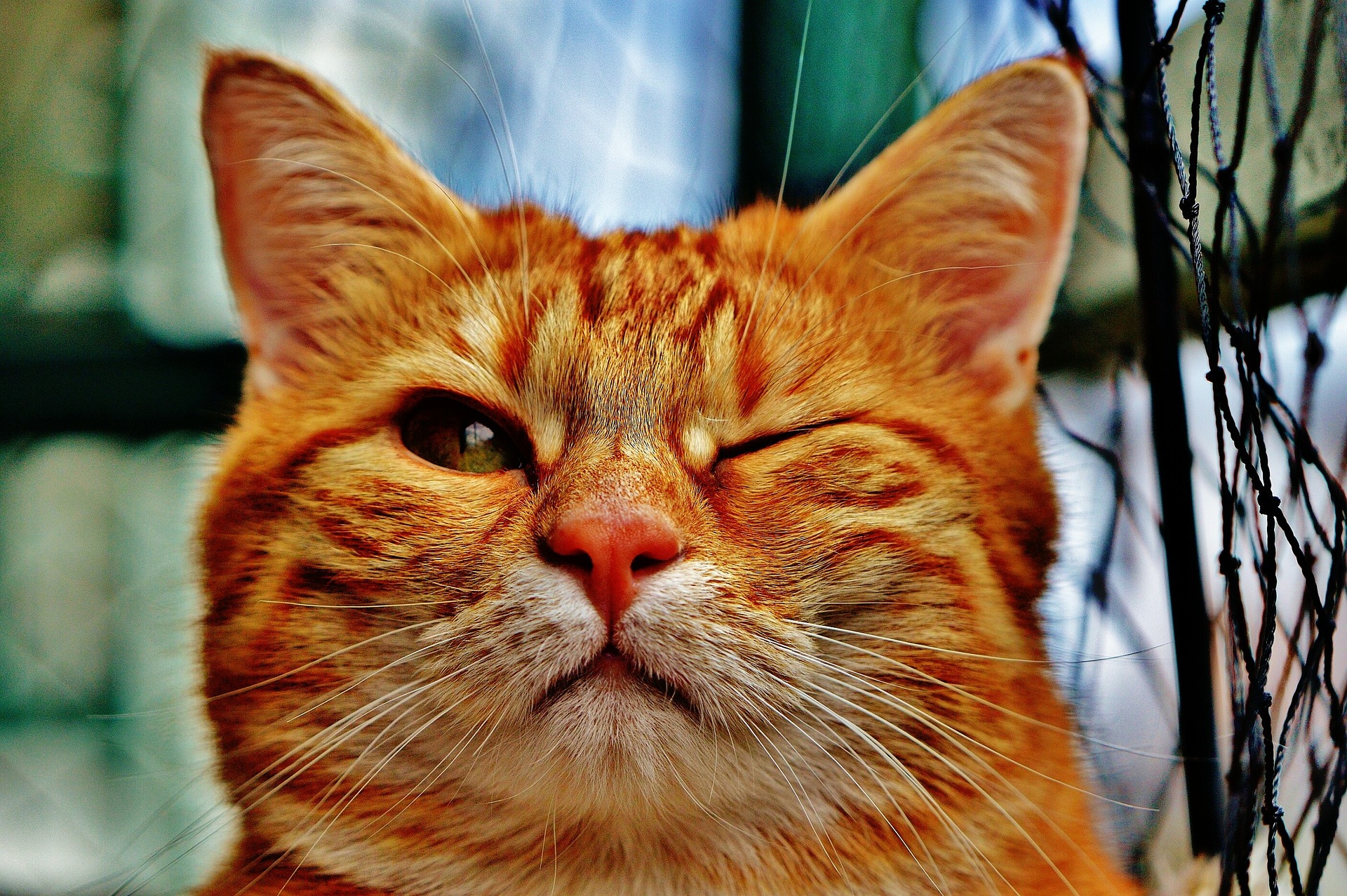
How to Keep Cats Out of Your Garden: Effective and Humane Solutions
Introduction
A flourishing garden is a testament to a homeowner’s dedication and care, but the presence of unwanted feline visitors can quickly turn it into a battleground. Cats, with their natural curiosity, often dig up soil, use garden beds as litter boxes, and damage delicate plants. For gardeners, this can be a frustrating challenge. However, there are numerous humane and effective methods to deter cats without causing them harm. This comprehensive guide explores practical strategies, from natural repellents to advanced technological solutions, to help you maintain a cat-free garden while respecting the well-being of these animals.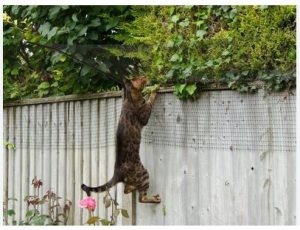
Securing Your Garden Borders
Reinforce Fencing and Barriers
The first line of defense against feline intruders is securing your garden’s perimeter. Cats are agile climbers and jumpers, so standard fencing may not suffice. Here are some proven strategies to fortify your garden:
- Seal Gaps and Openings: Inspect your fence for small gaps and seal them with wire mesh or wooden planks to prevent cats from squeezing through.
- Install Overhanging Fencing: Add a section of netting or angled wire at the top of your fence to make climbing difficult.
- Use Prickle Strips: Place plastic prickle strips along the top of fences. These are uncomfortable for cats but safe and non-harmful.
Natural Deterrents Along Borders
Creating a natural barrier using plants and substances that cats dislike can be an effective and eco-friendly solution:
- Thorny Plants: Incorporate plants like roses, holly, or barberry, which act as natural deterrents due to their prickly texture.
- Scent-Based Repellents: Cats are repelled by certain smells, such as lavender, rosemary, and rue. Planting these around your garden can help keep cats at bay.
- Mulch with Sharp Materials: Use pine cones, crushed eggshells, or coarse wood chips as mulch. These materials make walking uncomfortable for cats, discouraging them from entering.
Using Water and Motion-Based Deterrents
Water Sprinklers
Motion-activated sprinklers are a highly effective and humane way to deter cats. These devices detect movement and release a burst of water, startling the intruder without causing harm.
- How They Work: Equipped with sensors, these sprinklers activate when a cat enters the area, spraying water to scare them away.
- Benefits: They are humane, effective, and can also deter other pests like raccoons and deer.
- Best Placement: Position sprinklers near entry points or areas where cats frequently visit for maximum effectiveness.
DIY Water Methods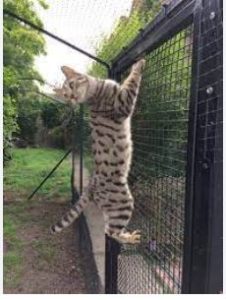
If investing in a sprinkler system isn’t feasible, consider these budget-friendly alternatives:
- Garden Hose: Keep a hose handy and spray any visiting cats to discourage them from returning.
- Water Spray Bottles: A quick misting with a spray bottle can startle cats and encourage them to leave.
Sound and Light Deterrents
Ultrasonic Repellents
Ultrasonic devices emit high-frequency sounds that are unpleasant for cats but inaudible to humans. These motion-activated tools are an excellent option for deterring cats without disturbing your peace.
- How They Work: When a cat enters the detection zone, the device emits a sound that irritates the cat, encouraging it to leave.
- Pros: Effective, silent to humans, and low-maintenance.
- Cons: Some models may have limited coverage, making them less effective for larger gardens.
Motion-Activated Lights
Cats are often active at night, and motion-activated lights can startle them, discouraging nighttime visits. These lights are easy to install and can enhance your garden’s security.
Natural and Commercial Repellents
Home Remedies and Natural Repellents
Many household items can serve as natural cat deterrents:
- Citrus Peels: Scatter orange, lemon, or lime peels around your garden. Cats dislike the smell of citrus.
- Vinegar Spray: A mixture of diluted vinegar and water can be sprayed around garden beds to repel cats.
- Coffee Grounds: Used coffee grounds not only deter cats but also enrich the soil.
- Essential Oils: Oils like citronella, eucalyptus, and peppermint can be mixed with water and sprayed around the garden.
Commercial Repellents
For a more robust solution, consider commercial cat repellents:
- Granular Repellents: These contain natural compounds that create an unpleasant scent for cats.
- Spray Repellents: Typically made with essential oils or synthetic deterrents, these are easy to apply.
- Biodegradable Repellents: Environmentally friendly options that are safe for plants and pets.
Creating a Cat-Friendly Alternative Space
Rather than solely focusing on repelling cats, consider providing them with an alternative space to redirect their attention:
- Dedicated Sand Pit: A small sandpit or soft soil area can serve as an inviting digging spot away from your garden.
- Cat-Friendly Plants: Grow catnip or valerian in a designated area to attract cats and keep them away from your main garden beds.
- Outdoor Cat House: If stray cats frequently visit, providing a shelter in a different part of your yard may keep them occupied and away from your plants.
Conclusion
Maintaining a cat-free garden requires a thoughtful and humane approach. By reinforcing your garden’s boundaries, utilizing motion-activated deterrents, and experimenting with scent-based repellents, you can create an environment that discourages feline visitors without causing them harm. Additionally, offering alternative spaces for cats can redirect their attention and foster a peaceful coexistence. With persistence and the right strategies, you can enjoy a thriving garden while respecting the natural instincts of neighborhood cats.