
 By admin
How Animals Sense Natural Disasters: Insights into Nature’s Early Warning System
Introduction
Natural disasters—including earthquakes, tsunamis, hurricanes, and volcanic eruptions—pose significant threats to human life, infrastructure, and ecosystems. While advanced technology has made strides in predicting these catastrophic events, certain limitations persist. Interestingly, animals have displayed an ability to sense impending natural disasters long before they strike. From elephants fleeing to higher ground to birds altering flight paths, these behaviors have prompted scientific investigation. This article explores the mechanisms behind animals’ heightened sensitivity to natural disasters, highlights real-world examples, and discusses the potential integration of animal behavior into modern disaster prediction systems.
The Science Behind Animal Sensitivity to Natural Disasters
1. Heightened Sensory Perception
Animals possess superior sensory capabilities compared to humans, which may allow them to detect subtle environmental changes preceding natural disasters. These include:
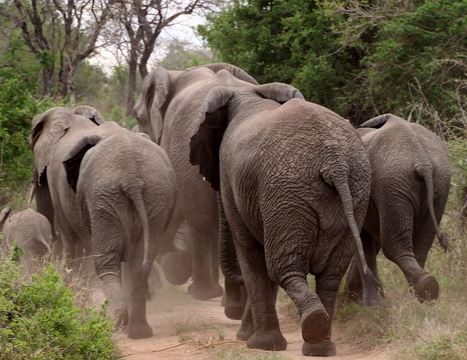
- Infrasound Detection: Elephants are known for their ability to hear infrasound (low-frequency sound waves) that humans cannot perceive. These waves are often emitted by earthquakes and tsunamis, providing elephants with an early warning signal.
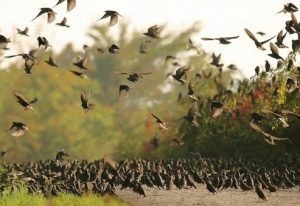
- Atmospheric Pressure Changes: Birds and other small animals can detect minute changes in barometric pressure. Sudden drops in pressure typically indicate approaching storms or hurricanes, prompting birds to change flight patterns or seek shelter.
2. Seismic Activity Detection
Many animals are believed to sense seismic waves before humans can detect them. Earthquakes produce two types of waves:
- Primary Waves (P-waves): These are the fastest seismic waves and often precede more destructive secondary waves (S-waves).
- Animal Response: Dogs, cats, and even fish have been observed acting erratically before earthquakes. Scientists theorize that animals detect these P-waves, leading to sudden behavioral changes.
3. Electromagnetic Sensitivity
Changes in the Earth’s electromagnetic field are another potential trigger for animal behavior shifts:
- Bird Navigation: Many birds use the Earth’s magnetic field for navigation. Disruptions in the field, which can occur before earthquakes or volcanic eruptions, may disorient birds and cause unusual flight patterns.
- Livestock Behavior: Some researchers have observed cattle and deer moving to higher ground or refusing to enter shelters before earthquakes, possibly due to sensing these electromagnetic shifts.
4. Chemical Sensitivity
Volcanic eruptions often release gases such as sulfur dioxide and carbon dioxide. Animals with acute olfactory senses may detect these chemical changes before humans do, prompting them to flee the affected areas.
Real-World Examples of Animal Behavior Before Disasters
1. The 2004 Indian Ocean Tsunami
One of the most well-documented examples of animals sensing an impending disaster occurred during the 2004 Indian Ocean tsunami:
- Elephant Behavior: Elephants in Sri Lanka were seen running to higher ground hours before the tsunami struck.
- Birds and Domestic Pets: Birds left coastal areas en masse, and dogs reportedly refused to leave shelters. Remarkably, few animal casualties were recorded, suggesting many animals successfully evaded the disaster.
2. The 1975 Haicheng Earthquake (China)
Prior to the 1975 Haicheng earthquake, Chinese officials noted unusual animal behavior:
- Reptile and Livestock Behavior: Snakes emerged from hibernation despite freezing temperatures, and farm animals exhibited restlessness.
- Evacuation Success: Authorities combined these observations with seismic data to evacuate the city, potentially saving thousands of lives.
3. Mount St. Helens Eruption (1980)
In the weeks leading up to the eruption of Mount St. Helens in Washington State, numerous reports of animal behavior changes surfaced:
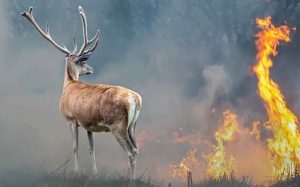
- Elk and Deer: Wildlife was observed fleeing the vicinity of the mountain.
- Farm Animals: Livestock became agitated and refused to stay in their enclosures, suggesting they sensed impending danger.
4. Mount Pinatubo Eruption (1991)
Before Mount Pinatubo’s catastrophic eruption in the Philippines, local farmers noted unusual livestock behavior:
- Livestock Restlessness: Cattle and goats were observed pacing and refusing to graze.
- Flight of Birds: Birds left the area in large numbers, indicating their sensitivity to volcanic gas emissions and seismic activity.
The Role of Animal Behavior in Disaster Prediction
1. Integrating Animal Behavior into Early Warning Systems
Given the consistent reports of animals sensing disasters, researchers are exploring ways to incorporate animal behavior into modern disaster prediction methods:
- Seismic Monitoring: Monitoring animal behavior in earthquake-prone regions could serve as a supplementary tool alongside traditional seismic sensors.
- Storm Prediction: Observing bird migration patterns and nesting behaviors may offer early warnings for hurricanes or cyclones.
2. Technological Enhancements
Technological advancements can facilitate the monitoring of animal behavior on a large scale:
- GPS Tracking: Equipping migratory birds and large mammals with GPS trackers can provide real-time data on unusual movement patterns.
- AI and Machine Learning: Analyzing behavioral data using machine learning algorithms can help identify patterns indicative of impending natural disasters.
3. Challenges and Limitations
While promising, the use of animal behavior for disaster prediction faces several hurdles:
- Behavioral Variability: Animal behavior is influenced by numerous environmental factors, making it challenging to isolate disaster-related changes.
- Lack of Understanding: The precise mechanisms behind animals’ sensitivity to natural disasters remain unclear, necessitating further scientific research.
4. Ethical Considerations
Ethical considerations must be prioritized when studying animal behavior for disaster prediction:
- Minimizing Stress: Researchers must ensure that animals are not subjected to unnecessary stress or harm.
- Conservation Efforts: Protecting wildlife habitats and promoting biodiversity can enhance the natural early warning systems that animals provide.
Conclusion
The ability of animals to sense natural disasters before they occur is a remarkable phenomenon that underscores the sophistication of the natural world. From detecting seismic waves to sensing electromagnetic and chemical changes, animals possess sensory capabilities far beyond human perception. Real-world examples, such as the 2004 Indian Ocean tsunami and the 1975 Haicheng earthquake, demonstrate the life-saving potential of paying attention to animal behavior. While challenges remain, incorporating animal behavior into disaster prediction systems could enhance early warning capabilities and help mitigate the devastating impacts of natural disasters. As research in this field continues to evolve, it is crucial to balance scientific exploration with ethical considerations, ensuring that animals’ remarkable abilities are harnessed responsibly for the benefit of all.
Police Dogs for Drug Detection