
 By admin
Why Doesn’t DNA Mix During Blood Transfusions?
Introduction
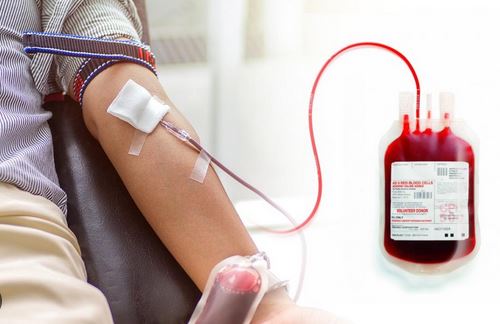
Blood donation is a life-saving practice that plays a critical role in modern medicine. Every year, millions of people benefit from blood transfusions, which replace lost blood due to surgeries, injuries, or conditions like anemia. Despite its widespread use, many individuals wonder why the donor’s DNA doesn’t mix with the recipient’s DNA during the transfusion process. This article delves into the science behind blood transfusions, explains the role of DNA in blood components, and highlights technological advancements that ensure the safety and efficacy of this vital procedure.
The Science of Blood Transfusion
1. What Happens During a Blood Transfusion?
A blood transfusion involves transferring donated blood into a patient’s bloodstream. The donated blood is typically matched to the recipient’s blood type to prevent adverse reactions, such as hemolysis or immune responses. The most commonly transfused blood components include:
- Red Blood Cells (RBCs): Carry oxygen throughout the body.
- Plasma: The liquid portion of blood, which helps with clotting and nutrient transport.
- Platelets: Assist in blood clotting to stop bleeding.
Careful screening and preparation ensure the transfused blood is safe and compatible with the recipient’s body.
2. The Role of Red Blood Cells (RBCs) in Transfusions
Red blood cells are the primary component used in blood transfusions due to their oxygen-carrying capacity. Unlike most cells in the body, RBCs do not have a nucleus, meaning they lack DNA. This absence of genetic material is a key reason why DNA mixing does not occur during transfusions. RBCs simply serve their purpose in oxygen transport without altering the recipient’s genetic makeup.
3. White Blood Cells and DNA Transfer Risks
White blood cells (WBCs) are part of the immune system and contain DNA. However, modern blood processing methods remove most WBCs before transfusion through a technique called leukoreduction. This process minimizes the risk of immune reactions and potential DNA transfer. Even if small amounts of donor WBCs enter the recipient’s body, they are typically recognized as foreign and eliminated by the immune system.
Understanding DNA and Its Role in the Body
1. What is DNA?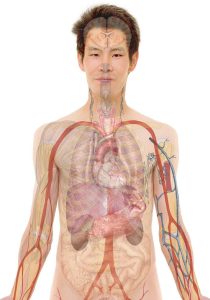
Deoxyribonucleic acid (DNA) is the molecule that carries genetic instructions for the development, functioning, and reproduction of living organisms. It is found in the nucleus of cells and is unique to each individual, making it a defining factor in genetic identity.
2. Why DNA Doesn’t Transfer During Blood Transfusion
During a blood transfusion, any remaining white blood cells with DNA are not incorporated into the recipient’s genetic material. Instead, these cells are broken down and eliminated by the recipient’s immune system. This ensures that the donor’s genetic information does not mix with or alter the recipient’s DNA.
3. The Body’s Defense Mechanisms
The human body is equipped with sophisticated mechanisms to identify and eliminate foreign cells. These immune responses are designed to protect the body from potential threats, such as infections or foreign DNA. Even if a few donor white blood cells enter the recipient’s bloodstream, they are rapidly detected and destroyed by the immune system.
Modern Advances in Blood Transfusion Technology
1. Leukoreduction: Enhancing Safety
Leukoreduction is a standard practice that involves filtering out white blood cells from donated blood. This process reduces the risk of complications, including potential DNA transfer and immune responses. Leukoreduced blood is now the standard in many countries, significantly improving the safety of transfusions.
2. Stem Cell Transfusions: A Different Scenario
While traditional blood transfusions do not involve DNA mixing, stem cell transplants are an exception. Stem cells, which contain DNA, have the potential to integrate into the recipient’s body and even alter their genetic makeup. This is why stem cell transplants require meticulous genetic matching and extensive monitoring to prevent complications.
3. The Future of Blood Transfusions
Advancements in transfusion medicine are paving the way for innovative solutions, such as synthetic blood substitutes and lab-grown blood. These developments could eventually eliminate the need for donor blood, reducing the risks of immune reactions and improving the overall safety and availability of transfusions.
Common Misconceptions About Blood Donation and DNA
1. Myth: Blood Transfusions Alter Your DNA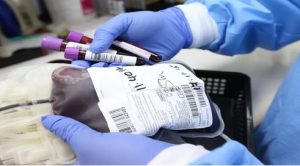
A common myth is that receiving someone else’s blood can change your DNA. However, this is scientifically inaccurate. As discussed earlier, red blood cells do not contain DNA, and any donor white blood cells are destroyed by the recipient’s immune system. Therefore, there is no genetic mixing during a transfusion.
2. Myth: Donors and Recipients Become Genetically Linked
Another misconception is that blood transfusions create a genetic link between the donor and recipient. In reality, transfusions are a temporary transfer of blood components that do not establish any genetic connection. The recipient’s genetic identity remains unchanged after the transfusion.
Technological Innovations and Future Prospects
1. Blood Type Matching and Genotyping
Advancements in genotyping have improved the accuracy of blood type matching. Beyond the basic ABO and Rh systems, genotyping allows for more precise matching of minor blood group antigens, reducing the risk of transfusion-related complications.
2. Synthetic and Lab-Grown Blood
Researchers are making strides in developing synthetic blood and lab-grown red blood cells. These innovations hold the potential to revolutionize transfusion medicine, providing a safer and more readily available alternative to donor blood.
3. Personalized Medicine and Transfusions
The future of transfusion medicine may include personalized approaches based on a patient’s unique genetic makeup. This could further reduce the risks of immune reactions and enhance the effectiveness of transfusions.
Conclusion
Blood donation is a critical medical practice that saves lives every day. Understanding the biological principles behind blood transfusions helps dispel myths and provides reassurance about the safety of the procedure. Advances in technology, such as leukoreduction and synthetic blood research, continue to improve the safety and efficacy of transfusions. By donating blood, individuals contribute to a life-saving process grounded in scientific innovation and biological precision.
Techniques for Stress Relief and Focus