
 By admin
Introduction
In the fast-paced digital world, website traffic alone is no longer enough. You may have thousands of visitors flocking to your site daily, but if they leave without taking action, what are you truly gaining? The key to sustainable online growth is not merely attracting attention—it’s about capturing interest and building long-term relationships.
That’s where email marketing comes into play. Turning each visitor into a subscriber gives you the power to engage, nurture, and eventually convert. In this article, we’ll explore modern, effective strategies to convert web visitors into loyal subscribers and, ultimately, paying customers.
Why Most Visitors Leave Without Taking Action
The Nature of Online Browsing
Online behavior is impulsive. Users browse multiple tabs, click on enticing headlines, and switch platforms in seconds. A person might land on your site through a search engine or a social media link, but without a compelling reason to stay, they’ll bounce off just as quickly.
The Consequences of High Bounce Rates
High bounce rates don’t just hurt your SEO—they represent lost opportunities. If 1,000 people visit your website and leave without subscribing or taking any action, you’re losing potential leads and revenue every single day. While some may return, the vast majority won’t.
Why Building a Mailing List Is Essential
The Power of Email Marketing
Email marketing continues to outperform other digital marketing channels in ROI. It allows direct communication with your audience, personalized engagement, and automated follow-ups that nurture leads over time.
Subscribers Are Warm Leads
When a visitor signs up for your mailing list, they’re expressing interest. These are not cold leads—you already have their attention. That makes them far more likely to convert into paying customers down the line.
Proven Strategies to Convert Visitors into Subscribers
1. Use a High-Converting Opt-In Form
Simplify the Form
A long, complicated form is one of the biggest barriers to subscription. Ask only for essential information—usually just a name and email address. Make it as easy as possible for users to sign up.
Optimize Placement
Where you place your opt-in form significantly affects conversions. Popular and effective placements include:
-
Top of the homepage
-
Within blog content
-
At the end of articles
-
Exit-intent popups
-
Sidebar widgets
2. Offer Irresistible Lead Magnets
What Is a Lead Magnet?
A lead magnet is a free resource offered in exchange for a visitor’s email address. It must be highly valuable and relevant to your audience’s interests.
Examples of Effective Lead Magnets
-
Free eBooks or guides
-
Exclusive video tutorials
-
Checklists or cheat sheets
-
Industry reports
-
Discount codes or coupons
-
Access to a private community
3. Use Clear, Persuasive Call-to-Actions (CTAs)
A vague CTA like “Sign Up” doesn’t inspire action. Use benefit-driven language such as:
-
“Get Your Free Guide Now”
-
“Join 10,000+ Smart Marketers”
-
“Start Learning Today—Free Access!”
Make your CTA bold, eye-catching, and above the fold whenever possible.
4. Implement Exit-Intent Popups
Exit-intent technology tracks cursor movement to detect when a user is about to leave your website. At that moment, a popup appears with a last-chance offer to subscribe. When done right, this tactic can dramatically increase conversions without being intrusive.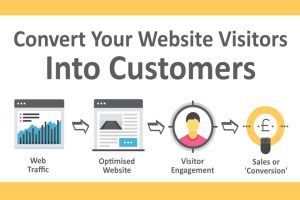
5. Leverage Content Upgrades
Instead of a generic lead magnet, offer a bonus resource that complements a specific blog post. For example, if your article is about digital marketing, offer a free PDF checklist of the top 10 tools marketers use.
This hyper-relevant approach makes the offer more appealing and increases the likelihood of conversion.
Design and UX Best Practices for Subscriber Conversion
Mobile Responsiveness
With over half of web traffic coming from mobile devices, your opt-in forms must be mobile-friendly. Test across various screen sizes and ensure forms are easy to fill out with minimal typing.
Fast Page Load Times
A slow-loading website frustrates users and increases bounce rates. Optimize images, leverage browser caching, and use content delivery networks (CDNs) to speed things up.
Visual Appeal
Design matters. Use clean layouts, professional typography, and a clear hierarchy of information. Your opt-in form should stand out but not disrupt the user experience.
Nurturing Subscribers After They Sign Up
Welcome Emails
The first email your new subscriber receives sets the tone. Use this opportunity to:
-
Thank them for signing up
-
Deliver the promised lead magnet
-
Introduce your brand and what they can expect
Email Sequences and Automation
Set up a well-crafted autoresponder sequence that gradually introduces your brand, builds trust, and gently nudges toward conversion. This can include:
-
Educational content
-
Case studies
-
Testimonials
-
Limited-time offers
Segmentation for Higher Engagement
Not all subscribers are the same. Use segmentation to send more targeted content based on user behavior, preferences, or demographics. This results in higher open rates, click-throughs, and conversions.
Measuring and Optimizing Your Conversion Strategy
Track Key Metrics
Use tools like Google Analytics and email marketing platforms to track:
-
Conversion rate of each opt-in form
-
Open and click-through rates of emails
-
Bounce rate and session duration
A/B Testing
Run experiments to find the most effective variations of your opt-in forms, CTAs, and email subject lines. Continuous testing and refinement are key to maximizing results.
Conclusion
In the world of digital marketing, turning a visitor into a subscriber is the first crucial step in the conversion journey. By implementing smart opt-in strategies, crafting irresistible offers, and nurturing leads through personalized email sequences, you not only boost your mailing list—you build a valuable asset for long-term business success.
Remember: traffic means little without conversion. So the next time someone visits your site, make sure they have a reason to stay connected. Because when you convert a visitor into a subscriber, you’re one step closer to converting them into a customer.
Growing Your Affiliate List the Right Way