
 By admin
Introduction
The French manicure has long stood as a symbol of understated elegance in the world of nail fashion. With its clean, minimalistic look and effortless versatility, it continues to captivate nail enthusiasts across generations. Unlike bold colors that often dominate seasonal trends, the French manicure is timeless — offering a neat and polished look that complements any outfit or occasion. In a beauty culture increasingly focused on natural aesthetics and low-maintenance grooming, the French manicure fits perfectly, balancing sophistication with simplicity.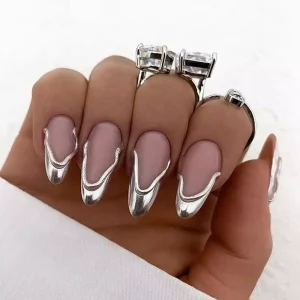
In this comprehensive guide, we’ll explore everything about French manicures — from their classic appeal and how they’ve evolved over the years, to application techniques, maintenance tips, and the latest variations like French pedicures and creative nail art twists. Whether you’re a beauty salon regular or someone who enjoys DIY nail care at home, this article will give you everything you need to know about this enduring nail trend.
The Origin and Evolution of the French Manicure
The Misleading Name
Despite its elegant title, the French manicure didn’t originate in France. It was actually popularized by Jeff Pink, the founder of the nail brand Orly, in the 1970s. Pink designed the look for Hollywood actresses who needed a manicure that could easily match various outfits during quick on-set costume changes. He coined the term “French manicure” to add a touch of glamour and European chic.
A Staple Since the 1970s
Since its debut, the French manicure has been a go-to style for fashion models, brides, business professionals, and everyday nail lovers. Its appeal lies in its balance between a polished look and natural aesthetic. Throughout the decades, it has withstood changing beauty standards, from the over-the-top acrylics of the early 2000s to today’s minimalist trends.
What Makes a French Manicure Unique?
The Classic Look
The traditional French manicure is defined by a neutral pink or beige base with white tips. The result is a clean, fresh appearance that enhances the natural shape of the nails while keeping them looking well-groomed and professional.
Subtle Yet Sophisticated
What sets the French manicure apart is its ability to remain elegant without being flashy. It’s the ideal choice for individuals who prefer a natural look but still want their nails to appear well-kept and stylish. This makes it popular across a broad demographic, from teenagers to seniors, and suitable for everything from office settings to weddings.
Why Choose a French Manicure?
Versatility for Any Occasion
One of the major benefits of a French manicure is its versatility. The neutral palette pairs well with any clothing style or color, making it the perfect choice for those who frequently change outfits or attend a variety of events. You won’t need to worry about clashing colors between your nail polish and your wardrobe.
Long-Lasting Results
Because the French manicure mimics the natural nail, chips and flaws are less noticeable compared to colorful or dark polishes. This means you can go longer between touch-ups. Additionally, the light colors are easier to maintain and don’t stain the nails as heavily as bold hues can.
Easy Touch-Ups
If you notice a small chip or need to refresh your look, a French manicure is much easier to repair than other styles. The subtlety of the design allows for small corrections without needing to redo the entire manicure.
The Process: How French Manicures Are Done
At the Salon
Getting a French manicure professionally done involves precision and technique. Many salons use fine brushes to create perfect white tips, sometimes employing tools like stencils or nail guides for accuracy. A skilled manicurist will apply a sheer pink or nude base coat after shaping the nails and applying the white tips. Some professionals even clean up excess polish with a cotton-wrapped orange stick for crisp, clean lines.
DIY French Manicures
Recreating a French manicure at home can be challenging but not impossible with the right tools. French manicure kits are available and often include guides for tip placement, polish colors, and instructions. Steady hands and patience are crucial, but once you get the hang of it, it can be a cost-effective way to maintain beautiful nails at home.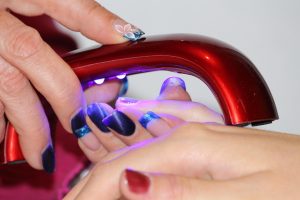
Modern Twists on the Classic French Manicure
Colored Tips
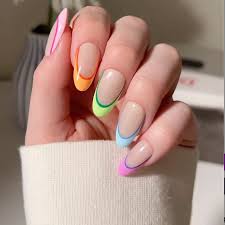
Today’s French manicure isn’t limited to white tips. Modern variations include colored tips in bold shades like black, red, neon, or metallic. This twist allows for creative expression while retaining the elegant structure of the classic look.
Reverse French Manicures
In this variation, instead of painting the tip, a contrasting shade is applied to the base of the nail (near the cuticle), creating a unique and eye-catching design that’s still wearable.
Glitter, Ombre, and Nail Art
For those who want more flair, glitter gradients, ombre transitions, or minimalist nail art like hearts, stripes, or dots can be added to a French manicure. These additions give a fresh, youthful update to the traditional style while maintaining its classy appeal.
The Rise of French Pedicures
Coordinated Elegance
The French pedicure offers all the benefits of the manicure but for your toes. It’s perfect for open-toe shoes and gives a polished, neat appearance that complements any footwear — from colorful sandals to neutral heels.
Low Maintenance for High Impact
Just like the manicure, a French pedicure is long-lasting, doesn’t show chips easily, and matches any outfit. It’s an excellent option for vacations, weddings, or simply elevating your everyday look.
How to Care for Your French Manicure
Nail Prep and Maintenance
Good nail care starts with healthy nails. Ensure your nails are clean, trimmed, and moisturized before applying any polish. Regular use of cuticle oil, hand cream, and nail hardeners can extend the life of your manicure.
Use Top Coats
To keep your French manicure looking fresh, apply a clear top coat every few days. This adds shine and protects the polish from chipping.
Avoid Harsh Chemicals
Exposure to cleaning products or hot water can damage your nails and cause polish to lift. Wear gloves while cleaning or doing dishes to protect your manicure.
Eco-Friendly and Health-Conscious Options
Non-Toxic Nail Products
Many nail brands now offer non-toxic polishes that are free from harmful chemicals like formaldehyde, toluene, and DBP. These are safer for both your nails and the environment.
Gel vs. Traditional French Manicures
Gel manicures offer a longer-lasting alternative but may require UV light to cure. For those concerned with UV exposure, opt for LED-cured gels or explore dip powders and newer gel formulations that avoid UV curing altogether.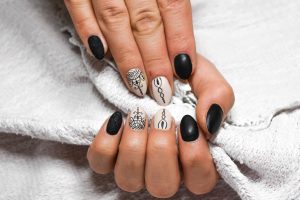
Conclusion
The French manicure remains a classic in the beauty world for good reason. Its elegant, clean look works for any age, occasion, or personal style. As trends come and go, the French manicure continues to evolve, embracing new colors, textures, and techniques while staying true to its roots. Whether you prefer the original style or love experimenting with modern twists, there’s no denying the timeless appeal of this beloved nail trend. It’s not just a manicure — it’s a statement of grace, versatility, and refined beauty.