
 By admin
A Comprehensive Guide to Cat Breeds: History, Traits, and Modern Trends
Introduction
Cats have captivated humans for millennia with their mysterious charm, independence, and affection. From ancient rodent hunters to cherished household companions, cats have undergone significant transformations in both behavior and breeding. Today, over 70 recognized cat breeds roam homes and hearts across the globe. While their appearance and temperaments vary widely, all domestic cats share one thing in common: they make excellent companions. This article explores the history, characteristics, and modern popularity of cat breeds, helping enthusiasts and future cat owners make informed choices.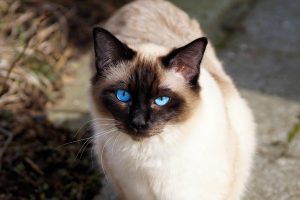
The Historical Evolution of Cat Breeding
From Rodent Control to Companionship
Domestication of cats dates back more than 9,000 years, beginning with the African wildcat (Felis lybica), which humans began associating with due to its rodent-hunting prowess. Early agricultural societies welcomed cats as efficient pest controllers. Over time, humans and cats formed symbiotic relationships, gradually leading to domestication.
Ancient Civilizations and Sacred Roles
In ancient Egypt, cats held a sacred status. Breeds like the Egyptian Mau were not only admired for their beauty but also worshipped for their protective qualities. Similarly, Japanese folklore honored the Japanese Bobtail, a breed with documented origins over a thousand years ago, symbolizing good luck and prosperity.
Modern Cat Breeds: Diversity and Characteristics
With the rise of cat fancier societies in the 19th and 20th centuries, formal breeding standards were established. Today, cat breeds are classified and maintained by registries such as:
-
The International Cat Association (TICA)
-
The Cat Fanciers’ Association (CFA)
-
Fédération Internationale Féline (FIFe)
Let’s explore the most prominent categories and examples of cat breeds.
1. Long-Haired Breeds
Persian Cats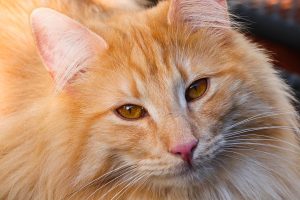
One of the most recognized and luxurious breeds, Persian cats are adored for their long, flowing coats and calm personalities. Originally from Iran (formerly Persia), they come in various colors and require daily grooming to maintain their appearance.
Traits:
-
Quiet and affectionate
-
Suited for indoor life
-
Prone to respiratory issues due to flat faces
Maine Coon
Known as the “gentle giants” of the feline world, Maine Coons are large, sociable, and intelligent. Native to the U.S., this breed is ideal for families due to its friendly nature.
Traits:
-
Water-resistant fur
-
Dog-like behavior
-
Excellent with children and pets
2. Short-Haired Breeds
British Shorthair
This breed, known for its dense, plush coat and round face, is among the oldest English breeds. British Shorthairs are calm, undemanding, and make great companions for people with busy lifestyles.
Traits:
-
Easy to groom
-
Independent
-
Low activity level
American Shorthair
Descended from cats brought by European settlers, American Shorthairs are strong, healthy, and good with kids. Their versatility and adaptability make them one of North America’s favorite breeds.
Traits:
-
Robust health
-
Long lifespan
-
Gentle temperament
3. Oriental Breeds
Siamese Cats
Originating in Thailand (formerly Siam), Siamese cats are known for their striking blue almond-shaped eyes, short coats, and vocal personalities. These cats are highly social and require constant attention.
Traits:
-
Highly intelligent
-
Talkative and expressive
-
Loyal and curious
Oriental Shorthair
Closely related to the Siamese, this breed offers a wide range of coat colors and patterns. Oriental Shorthairs are energetic and thrive in interactive environments.
Traits:
-
Athletic and sleek
-
Needs mental stimulation
-
Social and active
4. Exotic and Designer Breeds
Bengal Cats
Bengals are the result of crossing domestic cats with the Asian leopard cat. Their wild appearance includes rosette spots and marbled coats, but they are domesticated and friendly.
Traits:
-
High energy
-
Loves climbing and water
-
Playful and confident
Sphynx Cats
Famous for their hairless appearance, Sphynx cats are affectionate and love human attention. Though they lack fur, their skin requires regular cleaning to prevent oil buildup.
Traits:
-
Extremely social
-
Requires warmth
-
Hypoallergenic for some allergy sufferers
The Rise of Mixed-Breed and “Alley” Cats
Understanding Mixed-Breed Cats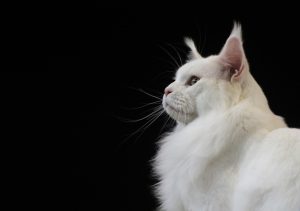
Commonly referred to as “alley cats” or “moggies,” mixed-breed cats don’t fit any particular breed standard but offer just as much affection and personality. These cats often have a blend of traits from various breeds and are widely available in shelters.
Advantages of Mixed Breeds:
-
Generally healthier due to genetic diversity
-
Easier to adopt
-
Low maintenance
The Role of Shelters and Population Control
Mixed-breed cats account for the vast majority of feline pets in North America. Due to overpopulation, many cats become strays or end up in shelters. Spaying and neutering campaigns have been crucial in managing this issue.
Identifying a Cat’s Breed
Physical Traits
While professional breeders and veterinarians use specific breed standards, pet owners can often identify a breed through physical markers:
-
Face shape: Persian cats have flat faces; Siamese have triangular heads.
-
Body type: Maine Coons are large and muscular; Orientals are slender and agile.
-
Coat texture and color: Unique to each breed.
Behavioral Cues
Breed tendencies also reveal a cat’s likely background. For instance, if your cat is talkative and demanding, it might have Siamese lineage. If it’s independent and low-maintenance, British Shorthair may be in its ancestry.
Choosing the Right Cat Breed
Lifestyle Compatibility
Before selecting a breed, consider your living environment, schedule, and whether other pets or children are in the household.
For Busy People:
-
British Shorthair
-
American Shorthair
For Families:
-
Maine Coon
-
Ragdoll
For Active Individuals:
-
Bengal
-
Abyssinian
Health Considerations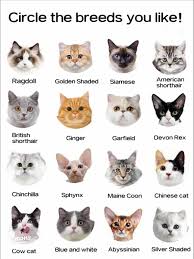
Some breeds are predisposed to specific health conditions. Persian cats, for instance, may suffer from breathing problems due to their brachycephalic (short-nosed) faces. Ensure regular veterinary care and consider pet insurance for peace of mind.
Conclusion
Cats are among the most beloved pets globally, with a breed diversity that caters to every personality and lifestyle. Whether you choose a purebred Persian or adopt a lovable alley cat, you’re sure to find a loyal, affectionate, and entertaining companion. Understanding the nuances of cat breeds—from historical origins to modern characteristics—enables you to choose a pet that will thrive in your home and heart.
The Science Behind the Sloth’s Slow Lifestyle