
 By admin
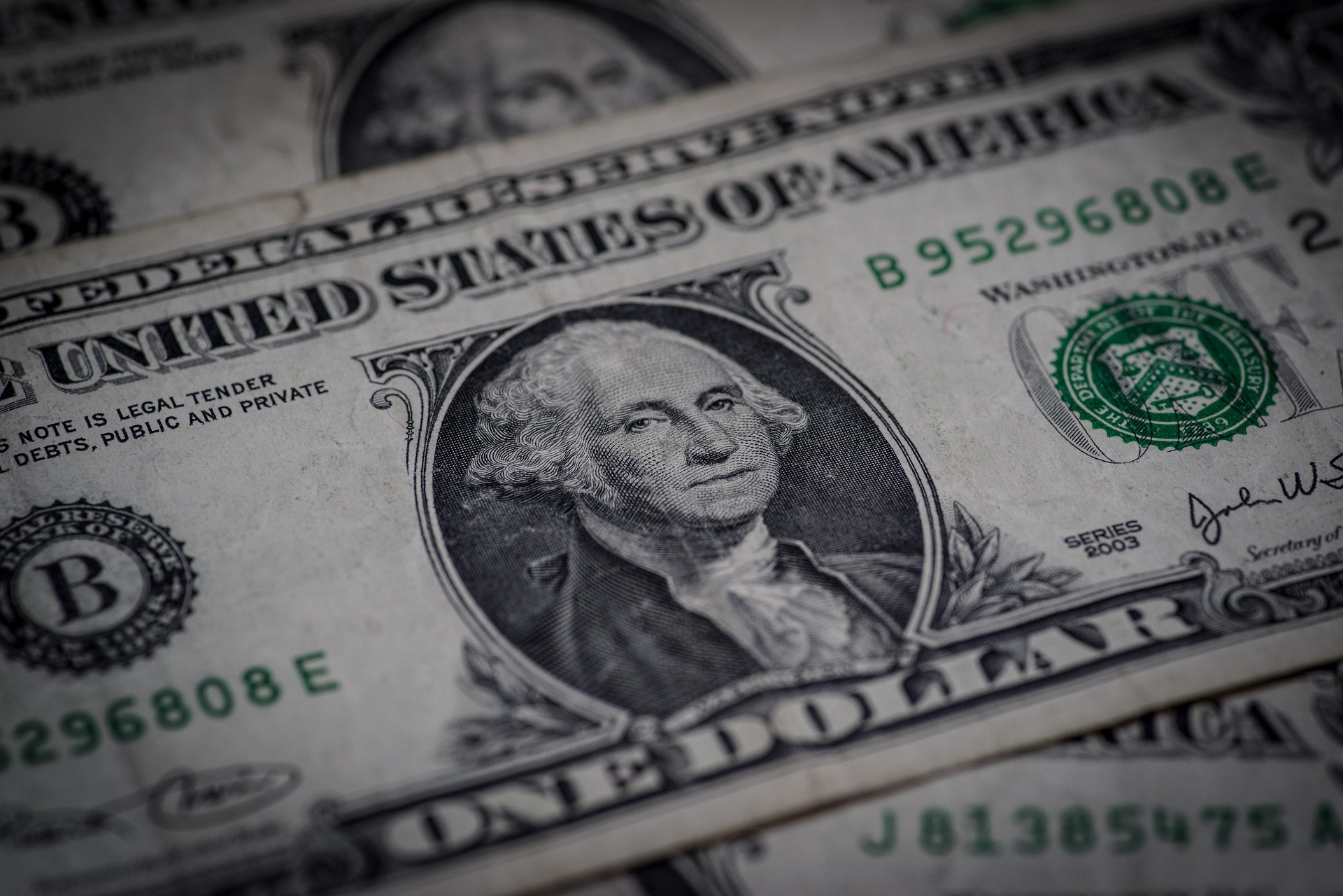
Why the U.S. Dollar Remains Unchallenged as the World’s Reserve Currency
Introduction
For over 75 years, the U.S. dollar has been the undisputed cornerstone of the global financial system. Despite frequent speculation about its decline, the greenback continues to dominate international trade, investment, and central bank reserves. From global commodity pricing to sovereign debt issuance, the dollar acts as the universal medium of exchange and store of value in global commerce.
As emerging economies like China, Russia, and members of the BRICS bloc grow more assertive, and as digital currencies gain traction, discussions about a post-dollar world have intensified. Yet, the dollar’s resilience seems almost unshakable. This article explores the historical ascent of the dollar, the factors underpinning its continued dominance, current threats to its hegemony, and whether any credible alternatives are positioned to replace it.
The Origins of Dollar Dominance
Bretton Woods and the Birth of the Modern Financial Order
The global reign of the U.S. dollar began at the Bretton Woods Conference in 1944. This historic agreement established a new international monetary system where global currencies were pegged to the U.S. dollar, which itself was backed by gold at $35 per ounce. The rationale was clear: the U.S. emerged from World War II as the world’s leading industrial and financial power, with over half of the globe’s gold reserves and relatively undamaged infrastructure.
The Bretton Woods framework created an ecosystem where the U.S. dollar served as the central reference point in global finance. Even after the collapse of the gold standard in 1971 — when President Nixon ended dollar convertibility into gold — the greenback retained its prominence. The U.S. economy remained dominant, and the dollar became a fiat currency trusted by international markets.
The Rise of the Petrodollar System
In the 1970s, the U.S. struck a series of deals with the Organization of the Petroleum Exporting Countries (OPEC), particularly Saudi Arabia, to ensure oil would be traded exclusively in U.S. dollars. This created what’s known as the “petrodollar” system, which forced energy-importing nations to hold large reserves of dollars, further strengthening its global demand.
The petrodollar arrangement significantly reinforced dollar liquidity and made it indispensable in global trade, especially in energy markets. This embedded the dollar even deeper into the fabric of global finance, creating a self-reinforcing cycle of dollar dependence.
The Key Drivers Behind Dollar Dominance
1. Deep and Liquid U.S. Capital Markets
At the core of the dollar’s supremacy is the unmatched size and liquidity of U.S. financial markets. The U.S. Treasury market alone is valued at over $25 trillion, offering unparalleled safety and depth for institutional investors, central banks, and sovereign wealth funds.
Global investors prefer U.S. assets due to their:
-
High liquidity
-
Predictable regulatory environment
-
Legal protections
-
Stability, even during crises
The U.S. stock market, home to major global corporations like Apple, Amazon, and Microsoft, also attracts significant foreign capital, reinforcing the demand for dollars.
2. Network Effects and Global Usage
The dollar is the default global currency:
-
It accounts for nearly 60% of global foreign exchange reserves, according to the International Monetary Fund (IMF) in 2024.
-
It is used in about 90% of forex trades.
-
Over 50% of international trade invoices are denominated in dollars, dwarfing the euro and Chinese yuan.
-
Key commodities — including oil, gas, gold, and food staples — are priced in dollars.
This widespread usage creates a powerful network effect: the more the dollar is used, the harder it becomes to replace. Companies and governments continue using it because it’s already the global standard.
3. U.S. Military and Geopolitical Influence
The reach of the U.S. military supports its economic dominance. With over 750 military bases in more than 80 countries and deep alliances with key global economies (such as Japan, the EU, and NATO members), U.S. geopolitical influence is substantial.
This global presence adds a layer of security to the dollar. During times of uncertainty — wars, pandemics, or financial crises — global investors flock to the dollar as a safe haven asset. We’ve seen this repeatedly:
-
The 2008 global financial crisis
-
The COVID-19 pandemic
-
The inflation surge and geopolitical instability of 2022–2023
4. Technological and Institutional Stability
The U.S. is a leader in financial innovation and digital infrastructure. U.S. payment systems, such as SWIFT, Fedwire, and emerging blockchain applications, ensure global interoperability. American financial institutions are trusted due to their transparency, rule of law, and strong institutional frameworks.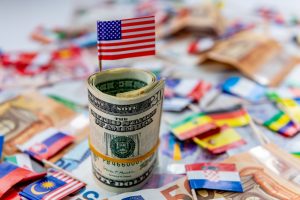
Despite periodic political dysfunction — including debt ceiling standoffs and government shutdowns — global markets continue to bet on the resilience of U.S. institutions over opaque systems elsewhere.
Threats and Emerging Challenges to the Dollar
1. China and the Push for Yuan Internationalization
China has made concerted efforts to globalize the yuan (renminbi). The Belt and Road Initiative (BRI), bilateral trade agreements, and the establishment of alternative financial mechanisms like the Cross-Border Interbank Payment System (CIPS) aim to reduce reliance on the dollar.
China has encouraged oil and gas exporters to accept yuan, particularly Russia, Iran, and Gulf countries. The Shanghai Petroleum and Natural Gas Exchange also offers oil contracts denominated in yuan, and Saudi Arabia is reportedly considering yuan-based oil sales.
However, barriers to yuan dominance remain:
-
Capital controls in China limit convertibility.
-
Lack of transparency in Chinese financial institutions.
-
Geopolitical mistrust among Western and many Asian nations.
2. The Rise of Digital Currencies
Central Bank Digital Currencies (CBDCs) are gaining global attention. China’s digital yuan (e-CNY) is the most advanced among major economies and is already in pilot use in domestic markets.
While CBDCs could alter the global monetary landscape, a digital dollar would likely reinforce rather than replace dollar dominance. The U.S. Federal Reserve is currently exploring its own CBDC — one that could make dollar-based transactions faster, cheaper, and more secure globally.
Private cryptocurrencies like Bitcoin and Ethereum are less likely to become reserve currencies due to volatility, lack of backing, and regulatory uncertainties.
3. BRICS and the “De-Dollarization” Movement
The BRICS bloc — Brazil, Russia, India, China, and South Africa — has launched initiatives to bypass the dollar in trade and settlement. In 2024, BRICS+ discussions included the possibility of a common BRICS currency backed by gold or commodities.
These initiatives signal a growing resistance to U.S. financial hegemony, especially in the Global South. Sanctions on Russia, Iran, and others have fueled efforts to build alternatives to SWIFT and U.S.-controlled finance systems.
Yet, the BRICS nations have vastly different economic systems, political goals, and levels of stability. Creating a unified currency or monetary system remains highly complex and unlikely in the near term.
Why the Dollar Isn’t Going Anywhere — Yet
Despite mounting challenges, no single currency or coalition currently offers a viable substitute for the dollar’s full range of functions: reserve asset, transaction medium, and unit of account.
Key reasons for the dollar’s continued dominance:
-
Global confidence in U.S. institutions and governance
-
Deep capital markets that no other country can match
-
Established legal and financial infrastructure
-
Geopolitical alliances and military strength
-
Network inertia — businesses and banks are already deeply entrenched in the dollar system
Replacing the dollar would require not only an economic rival but a geopolitical, legal, and financial ecosystem to match — a tall order that may take decades, if it ever happens.
Conclusion
The U.S. dollar’s dominance is not an accident of history — it is a product of enduring economic strength, global trust, deep financial infrastructure, and strategic geopolitics. While countries like China, Russia, and others push for alternatives and reduce their dollar holdings, the global system still runs on greenbacks.
Though the financial world is gradually becoming more multipolar, there is no currency on the horizon that matches the dollar’s stability, liquidity, and trustworthiness. Barring an extraordinary shift in global order or a major collapse of U.S. financial credibility, the dollar will likely remain the world’s reserve currency for the foreseeable future.
How BIC Changed the Classroom Forever