
 By admin
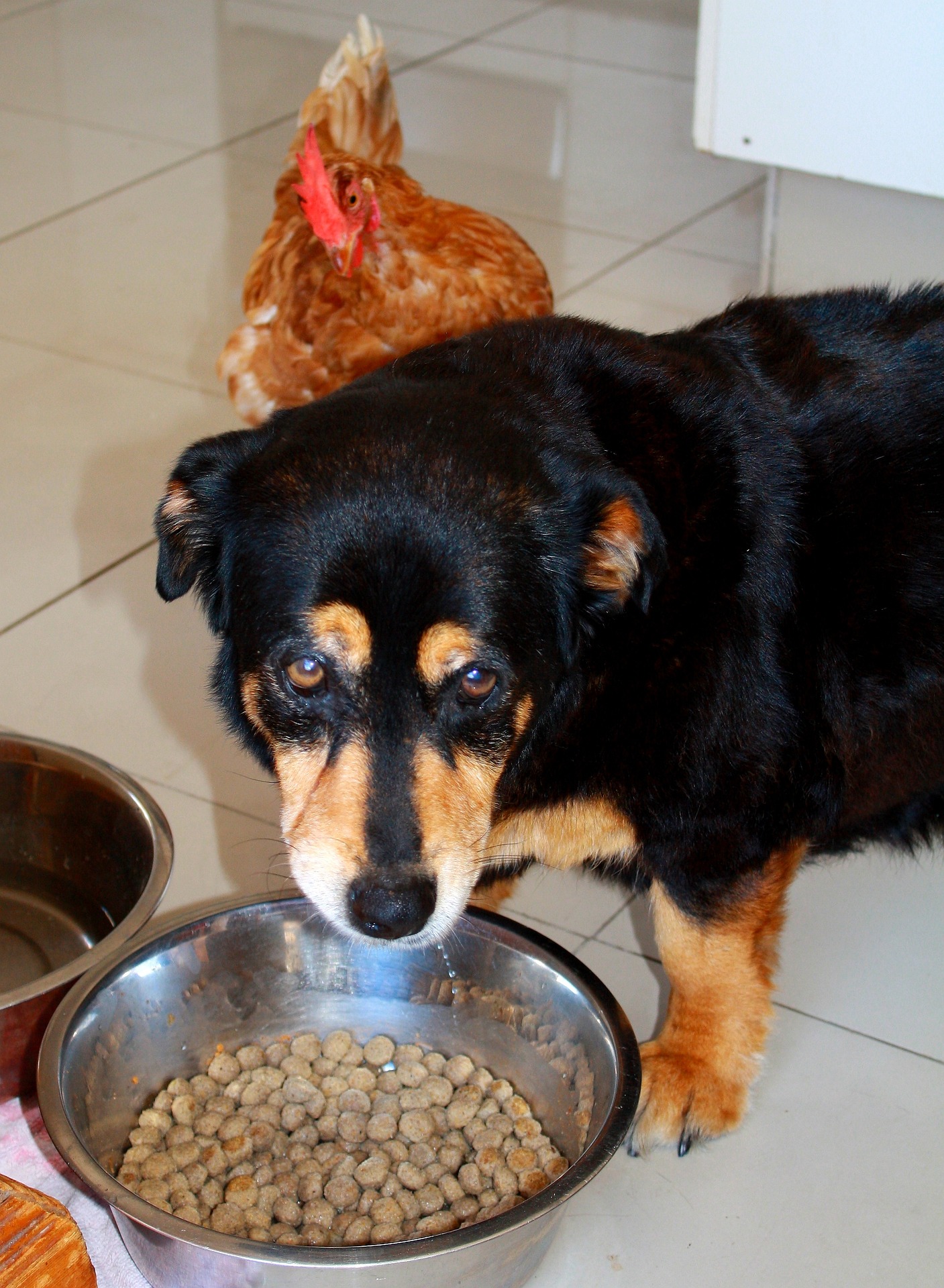
Food allergies in dogs can be challenging to identify without a thorough understanding of the symptoms and underlying causes. These allergies often manifest in various ways, affecting both the skin and the gastrointestinal system. Recognizing the signs and managing food allergies effectively can significantly improve your dog’s quality of life.
Common Symptoms of Food Allergies
The primary symptoms of food allergies in dogs include:
- Facial itching: Persistent scratching around the face and ears.
- Limb chewing: Excessive licking or chewing of the paws or limbs.
- Belly itching: Redness or irritation on the abdomen.
- Recurrent ear infections: Chronic ear infections that do not resolve with standard treatment.
- Skin infections: Dermatitis or hot spots that appear frequently.
If your dog exhibits these symptoms, it’s crucial to consider food allergies as a potential cause. However, other conditions, such as fungal infections or external parasites, must be ruled out before confirming a food allergy diagnosis.
Causes of Food Allergies
Food allergies are often triggered by specific ingredients in commercial dog food. These include:
- Proteins: Common culprits are beef, chicken, lamb, and fish.
- Fillers: Ingredients like corn, soy, and wheat.
- Additives: Artificial coloring agents, preservatives, and flavor enhancers.
Due to the variety of ingredients in processed pet foods, dogs are exposed to multiple potential allergens. Reading ingredient labels carefully is vital to avoid feeding your dog substances that might trigger allergic reactions.
How to Identify Food Allergies
Identifying food allergies involves a systematic approach:
- Monitor Symptoms: Keep a detailed log of your dog’s symptoms, including when they occur and their severity.
- Elimination Diets: Introduce a limited ingredient diet, focusing on novel proteins and carbohydrates that your dog hasn’t consumed before.
- Gradual Reintroduction: Slowly reintroduce individual ingredients to pinpoint the specific allergen.
- Consult a Veterinarian: Seek professional advice for proper diagnosis and management, including ruling out other conditions like pancreatitis or infections.
Common Allergens in Dog Food
Many recorded cases highlight dogs’ sensitivity to ingredients such as corn, wheat, or soy. However, each dog’s reaction is unique, and allergens vary widely between individuals. Excessively colored or heavily processed foods are more likely to cause adverse reactions. Opting for natural, minimally processed diets can help reduce the risk of allergies.
Behavioral Changes and Allergies
Food allergies in dogs are often linked to changes in behavior, such as hyperactivity or irritability. Diets high in fats, preservatives, or artificial additives may exacerbate these symptoms. Closely monitor your dog’s behavior when introducing new foods and adjust their diet accordingly.
Preventing Food Allergies
Prevention involves proactive measures, including:
- Choosing High-Quality Foods: Opt for premium dog foods with limited ingredients and no artificial additives.
- Avoiding Overfeeding: Overconsumption of certain foods can increase the likelihood of allergic reactions.
- Regular Vet Checkups: Schedule routine veterinary visits to monitor your dog’s overall health and address any emerging issues early.
Managing Food Allergies
Once a food allergy is diagnosed, management involves:
- Strict Diet Control: Adhere to a hypoallergenic diet prescribed by your veterinarian.
- Avoiding Known Allergens: Eliminate all identified allergens from your dog’s meals and treats.
- Supplementation: Incorporate omega-3 fatty acids or probiotics to support skin health and digestive function.
- Medications: In severe cases, antihistamines or corticosteroids may be prescribed to alleviate symptoms.
Importance of Early Detection
Prompt identification and treatment of food allergies can prevent complications such as chronic infections, malnutrition, or secondary health issues. Observing your dog’s reactions to their diet and consulting with your veterinarian are key steps in maintaining their well-being.
Final Thoughts
Food allergies in dogs require careful attention and a proactive approach. By understanding the symptoms, identifying potential triggers, and managing their diet effectively, you can help your dog lead a healthier, happier life. Always prioritize high-quality, balanced nutrition and consult your veterinarian to address any concerns regarding food allergies.