
 By admin
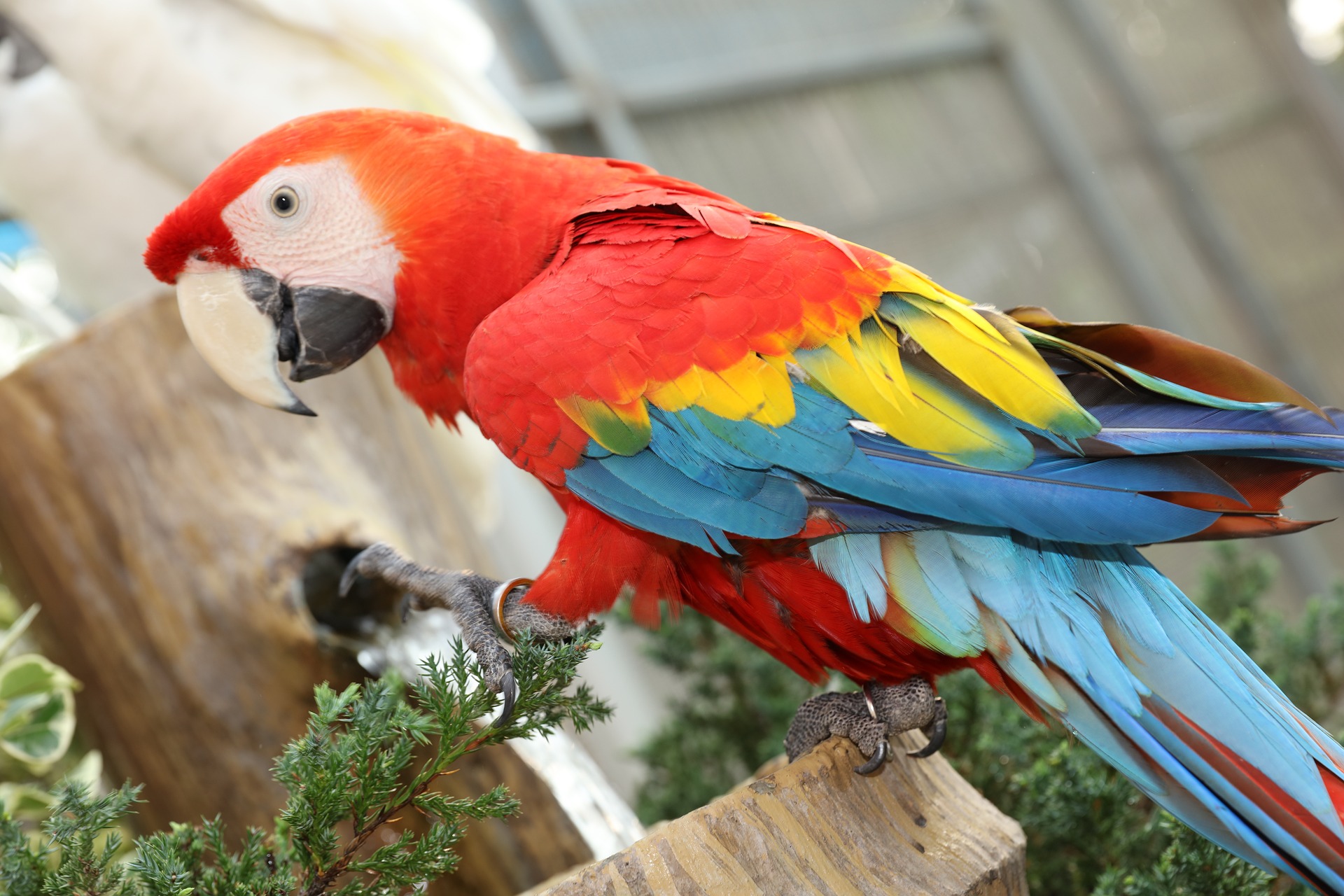
The Fascinating World of Parrots: Intelligence, Behavior, and Care
Parrots are among the most captivating creatures in the avian world. Known for their vibrant plumage, remarkable intelligence, and ability to mimic human speech, parrots have fascinated humans for centuries. These charismatic birds belong to the order Psittaciformes, which includes over 400 species distributed across tropical and subtropical regions worldwide. This article delves into the fascinating world of parrots, exploring their intelligence, social behavior, and care requirements while highlighting their significance in both natural ecosystems and human culture.
A Diversity of Species
Parrots are a diverse group of birds characterized by their colorful feathers, strong curved beaks, and zygodactyl feet—two toes pointing forward and two backward. This unique foot structure allows them to grasp objects with precision, making them adept at climbing and manipulating food. Some of the most well-known parrot species include:
- Macaws: Large, colorful parrots native to Central and South America. Examples include the Scarlet Macaw and the Blue-and-Yellow Macaw.
- Cockatoos: Recognized by their crests, these parrots are native to Australia and surrounding islands.
- African Grey Parrots: Renowned for their extraordinary intelligence and vocal abilities.
- Budgerigars (Budgies): Small, friendly parrots popular as pets worldwide.
Each species has unique traits and behaviors, making them fascinating subjects for bird enthusiasts and researchers alike.
Intelligence and Communication
Parrots are widely regarded as some of the most intelligent birds. Their cognitive abilities rival those of great apes and young human children, with African Grey Parrots often leading the pack in studies of avian intelligence. These birds can:
- Mimic Human Speech: Parrots are capable of imitating a wide range of sounds, including human words, doorbells, and even phone ringtones. This ability stems from their highly developed syrinx, the vocal organ in birds.
- Solve Complex Problems: Parrots demonstrate problem-solving skills in experiments involving puzzles and tools.
- Understand Concepts: Studies have shown that some parrots can grasp abstract concepts like shapes, colors, and numbers.
These remarkable abilities make parrots highly engaging companions but also pose challenges for their care, as they require significant mental stimulation to prevent boredom and stress.
Social Behavior
Parrots are inherently social animals, often living in large flocks in the wild. This social structure helps them communicate, forage, and protect themselves from predators. Key aspects of their social behavior include:
- Vocal Communication: Parrots use a variety of calls to communicate with flock members. These calls serve purposes such as warning of danger, locating mates, or coordinating group activities.
- Pair Bonding: Many parrot species form strong pair bonds, often mating for life. These bonds extend beyond reproduction, with pairs engaging in mutual preening and cooperative feeding.
- Playfulness: Parrots are naturally curious and playful, often engaging in activities that involve climbing, swinging, and exploring their environment.
Understanding these behaviors is crucial for providing an enriching environment for pet parrots, as isolation or lack of stimulation can lead to behavioral issues such as feather plucking or excessive screaming.
Parrots in the Wild
Parrots play a vital role in their ecosystems as seed dispersers. Their diet primarily consists of fruits, nuts, seeds, and flowers, and their feeding habits help maintain forest biodiversity. However, many parrot species face significant threats in the wild due to:
- Deforestation: Habitat loss from logging and agriculture is a leading cause of population decline.
- Illegal Wildlife Trade: Parrots are highly sought after in the pet trade, with many being captured illegally.
- Climate Change: Altered weather patterns impact food availability and nesting sites.
Conservation efforts are essential to protect these birds, with organizations working to establish protected areas, regulate trade, and raise public awareness about the importance of preserving parrot habitats.
Caring for Pet Parrots
Owning a parrot is a long-term commitment that requires careful consideration and preparation. These birds can live for decades, with some species, such as macaws and African Greys, reaching ages of 50 years or more. Key aspects of parrot care include:
- Housing: Provide a spacious cage with plenty of room for the bird to stretch its wings. Include perches, toys, and climbing structures to keep the parrot engaged.
- Diet: Offer a balanced diet consisting of high-quality pellet food, fresh fruits, vegetables, and occasional nuts. Avoid feeding parrots foods that are toxic to them, such as avocado, chocolate, and caffeine.
- Mental Stimulation: Parrots are highly intelligent and require daily interaction and enrichment. Rotate toys regularly and engage in activities that challenge their problem-solving abilities.
- Social Interaction: Spend time with your parrot every day. These birds thrive on companionship and may become depressed or aggressive if left alone for extended periods.
- Health Care: Schedule regular check-ups with an avian veterinarian and watch for signs of illness, such as changes in appetite, feather condition, or behavior.
Parrots in Human Culture
Parrots have held a special place in human culture for centuries. They appear in ancient art, literature, and folklore, symbolizing everything from love and loyalty to exoticism and freedom. Their ability to mimic human speech has made them popular pets among royalty and commoners alike. Famous parrots in history include:
- Alex the African Grey: A parrot studied by animal psychologist Irene Pepperberg, Alex demonstrated remarkable cognitive abilities, including a basic understanding of numbers and shapes.
- Polly the Parrot: A cultural archetype often associated with pirates and adventure tales.
Today, parrots continue to captivate audiences through media, conservation campaigns, and as beloved pets.
The Ethical Responsibility of Keeping Parrots
While parrots make wonderful companions, their complex needs and long lifespans mean they are not suitable for everyone. Potential owners should thoroughly research the species they are interested in and consider adopting from rescue organizations rather than purchasing from breeders or pet stores. Ethical parrot ownership involves:
- Providing an Enriched Environment: Create a habitat that mimics natural conditions as closely as possible.
- Committing to Lifelong Care: Recognize that parrots require decades of dedicated care.
- Supporting Conservation Efforts: Advocate for the protection of wild parrots and their habitats.
Conclusion
Parrots are extraordinary creatures that bring joy and wonder to those who have the privilege of observing or caring for them. Their intelligence, beauty, and complex social behaviors make them unique among birds, but they also require a high level of commitment from their caretakers. By understanding and respecting the needs of these remarkable birds, we can ensure their well-being in captivity and contribute to the conservation of their wild counterparts. Whether in the rainforest or the living room, parrots are truly a treasure to behold.