
 By admin

The Emotional Salary: A New Paradigm for Employee Well-Being and Productivity
Introduction
In recent years, a new concept has emerged in the business world, gaining significant attention, particularly among younger workers. This concept, known as the “emotional salary,” focuses on fulfilling employees’ psychological and emotional needs within the workplace. Unlike traditional financial compensation, emotional salary emphasizes non-economic benefits that enhance an employee’s overall experience, both personally and professionally. This shift reflects a growing trend where job satisfaction, mental health, and work-life balance are becoming just as important as the monetary rewards of a job. In this article, we will explore the concept of emotional salary, its impact on employee engagement and productivity, and why it has become increasingly relevant in today’s workforce.
1. The Concept of Emotional Salary
Emotional salary is defined as the non-financial rewards that employees receive from their work environment. This can include factors such as work flexibility, supportive leadership, a positive company culture, and opportunities for personal growth. While it doesn’t directly contribute to an employee’s paycheck, emotional salary plays a pivotal role in fostering satisfaction and motivation in the workplace.
In many industries, particularly in tech and creative fields, emotional salary has become a key consideration for employees when choosing an employer. It recognizes that the mental and emotional well-being of an employee is just as crucial as the financial compensation they receive for their work.
2. Non-Economic Needs and Their Role in the Workplace
For employees today, non-economic needs are often just as important as their financial compensation. A growing number of organizations are implementing policies that cater to these needs. These policies include flexible working hours, the right to work remotely, and promoting a healthy, inclusive workplace culture where employees feel heard and valued.
2.1 Work-Life Balance Policies
Companies are increasingly offering work-life balance solutions such as flexible hours or a hybrid model that allows employees to choose where they work. These policies provide employees with a sense of autonomy and contribute to a healthier work environment. Studies have shown that employees who have the flexibility to balance their personal and professional lives report higher levels of job satisfaction and are less likely to experience burnout.
2.2 Supportive Leadership
An important element of emotional salary is having leaders who genuinely care about the well-being of their employees. A workplace where managers are approachable, open to feedback, and actively listen to their employees’ concerns fosters trust and commitment. This emotional support from leadership is one of the cornerstones of a thriving company culture.
3. The Link Between Emotional Salary and Employee Productivity
One of the primary benefits of emotional salary is its positive impact on employee productivity. When employees feel valued and supported, they are more likely to be engaged in their work. Research has consistently shown that emotionally satisfied employees are not only more loyal but also more productive.
3.1 Increased Job Satisfaction
Emotional salary contributes significantly to job satisfaction. According to a study by Región Científica, organizations that prioritize emotional well-being see higher engagement levels and greater employee retention. Engaged employees are more likely to perform better, go the extra mile, and stay with the company for a longer period of time.
3.2 Retention and Talent Acquisition
The importance of emotional salary in employee retention cannot be overstated. In today’s competitive job market, businesses must do more than offer a competitive salary to retain top talent. Providing emotional salary through recognition, growth opportunities, and a positive work environment plays a key role in ensuring that employees remain loyal and committed.
4. A Shift in Workforce Trends Post-Pandemic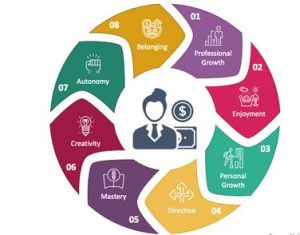
The COVID-19 pandemic has triggered significant changes in the way we work, and these changes have had a lasting impact on employees’ expectations. The need for emotional salary, particularly in the form of work flexibility, has become more pronounced post-pandemic. According to a survey by Adecco, over 70% of respondents expressed a preference for receiving emotional salary measures—such as increased flexibility or mental health support—over a salary increase.
4.1 The Rise of Remote Work
Remote work has become one of the most sought-after benefits in the post-pandemic workplace. A recent study by El País revealed that 57% of employees would consider changing jobs if their right to work remotely was taken away. This statistic underscores the growing importance of emotional salary in the form of remote work options, particularly among younger generations like Millennials and Gen Z.
4.2 Impact on Employee Well-Being
The pandemic has also highlighted the importance of supporting employees’ mental health. As the Deutsche Welle reported, reducing the workweek to four days has been shown to reduce stress levels, increase overall satisfaction, and maintain or even increase productivity. These findings reinforce the value of non-financial rewards in enhancing employee well-being.
5. The Emotional Connection Between Employees and Their Companies
When employees feel valued and have a sense of purpose, they develop a deeper emotional connection to their company. This emotional investment not only benefits the individual but also strengthens the company’s culture and performance. Cristina Gabriel, Head of Talent and Culture at BBVA, notes that “when we love our job, we feel valued, and we know our work contributes to a bigger goal. This leads to personal and professional growth, which in turn fosters a deeper emotional connection and greater productivity.”
6. The Impact of a Four-Day Workweek
The four-day workweek is another example of how emotional salary is becoming a critical factor in employee satisfaction. Countries around the world are experimenting with this model, with promising results. The research indicates that a shorter workweek leads to higher levels of employee satisfaction, a reduction in stress, and increased productivity. Employees report feeling more rested, more motivated, and more engaged in their work, which ultimately benefits the company.
6.1 Case Studies and Data on the Four-Day Workweek
Several studies have found that companies that have implemented a four-day workweek see improvements not only in employee satisfaction but also in company-wide performance. The success of this model suggests that employees are more productive when they feel their well-being is prioritized, making emotional salary an effective strategy for boosting overall productivity.
7. The Future of Emotional Salary in the Workplace
As the workforce continues to evolve, emotional salary will undoubtedly play an increasingly important role in shaping workplace dynamics. Companies that prioritize emotional well-being, work flexibility, and supportive leadership will likely see improvements in employee retention, job satisfaction, and overall productivity.
With younger generations placing more value on emotional rewards than on financial compensation, businesses must adapt to these shifting expectations. Companies that fail to recognize the importance of emotional salary risk losing top talent and seeing a decline in overall employee morale.
Conclusion
The concept of emotional salary marks a paradigm shift in how we view compensation in the workplace. While financial rewards remain important, they are no longer the sole motivator for today’s employees. Emotional salary, which encompasses aspects such as work-life balance, supportive leadership, and mental health initiatives, is increasingly seen as essential to employee satisfaction and productivity. As businesses continue to adapt to changing employee expectations, those that successfully integrate emotional salary into their organizational culture will be best positioned for long-term success.
How to Become a Super Affiliate