
 By admin
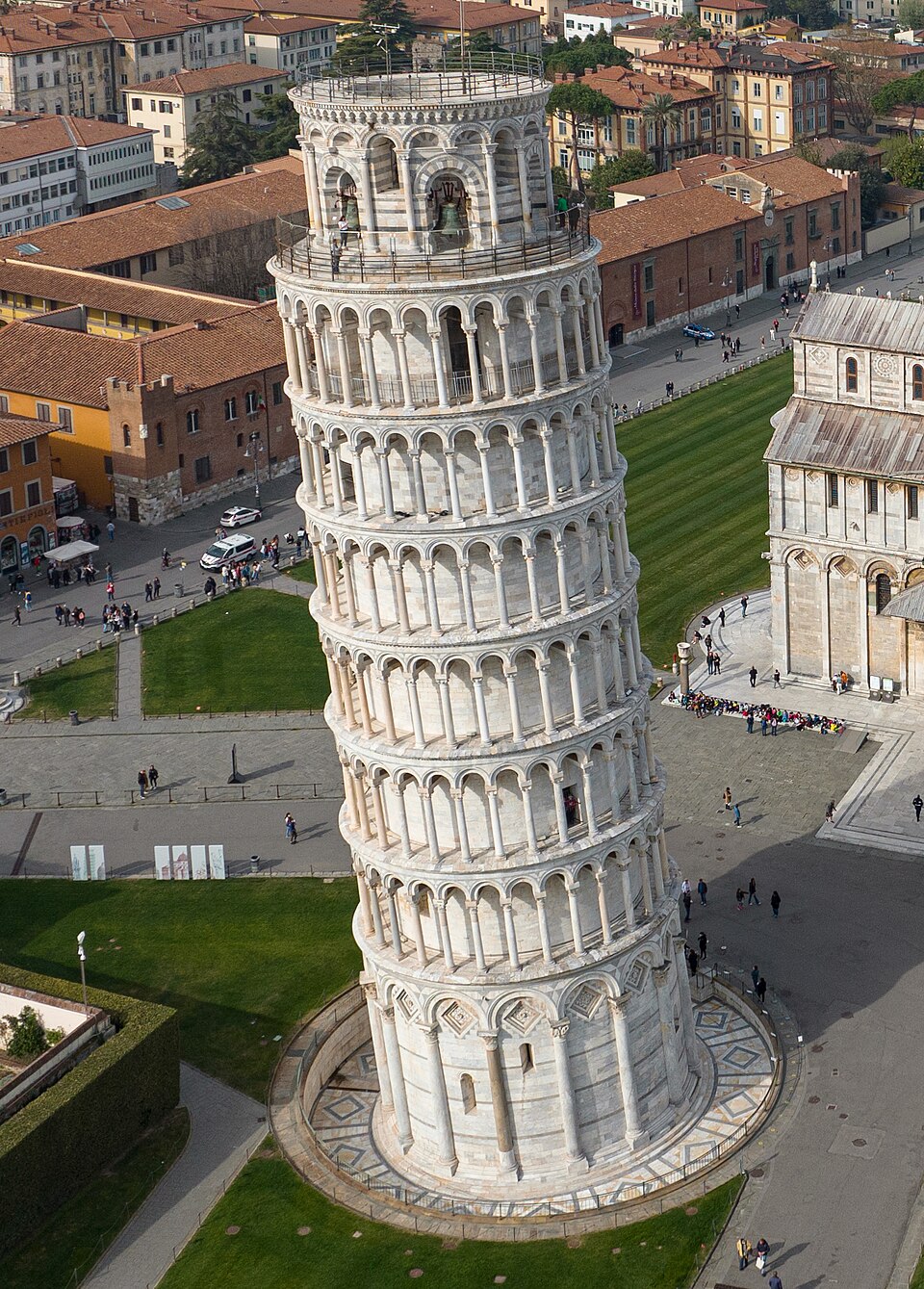
Why is the Leaning Tower of Pisa Leaning?
Introduction
The Leaning Tower of Pisa is one of the world’s most famous architectural wonders, attracting millions of visitors to Italy every year. With its distinctive tilt, the tower has become a symbol of curiosity, resilience, and human ingenuity. But a question continues to fascinate both tourists and experts alike: Why is the Leaning Tower of Pisa leaning?
The answer lies in a complex combination of geology, engineering miscalculations, soil conditions, and centuries of human intervention. What was once seen as a construction failure has now turned into a cultural icon and a case study in architectural preservation. This article explores the history of the Leaning Tower, the scientific and geological reasons for its tilt, the restoration efforts that saved it, and the lessons it teaches about architecture, engineering, and cultural heritage.
Historical Background of the Leaning Tower
The Construction of the Tower
The Leaning Tower of Pisa, or Torre Pendente di Pisa in Italian, is the freestanding bell tower of Pisa’s cathedral complex, known as the Piazza dei Miracoli or “Square of Miracles.” Construction began in 1173 during a period of prosperity for the Republic of Pisa. The tower was intended to demonstrate Pisa’s wealth and architectural achievements.
A Project that Spanned Centuries
The construction of the tower did not proceed smoothly. Almost immediately after the third story was completed, builders noticed that the structure was beginning to sink on one side. Construction was halted multiple times due to wars, political instability, and funding issues. As a result, the tower was built in three major stages over nearly 200 years, with significant pauses that ironically gave the soil time to settle, preventing an immediate collapse.
Why Did the Tower Begin to Lean?
The Role of Unstable Soil
The primary reason for the tilt lies beneath the surface. Pisa is located on a floodplain near the Arno River. The ground consists of soft, unstable soil made up of clay, sand, and shells. This type of soil is highly compressible and uneven in strength, unable to provide uniform support for a heavy structure like the Leaning Tower.
When construction began, the south side of the foundation started to sink into the softer soil, causing the tower to lean. Unlike modern engineers, medieval builders did not fully understand soil mechanics, so they did not anticipate how the ground would respond to such a heavy load.
Foundation Flaws
Another critical issue was the foundation itself. The Leaning Tower was built with a shallow foundation of only about three meters deep. For a building weighing approximately 14,500 tons, this foundation was inadequate, especially on weak subsoil. If the foundation had been deeper and more robust, the tower might not have leaned at all.
Engineering Miscalculations
At the time, construction techniques were far less advanced than today. Medieval architects and builders lacked modern surveying tools, soil testing equipment, and the understanding of geotechnical engineering. As the tower leaned, builders attempted to compensate by constructing the upper floors with one side taller than the other, giving the tower a slight curve rather than a straight lean.
The Science Behind the Tilt
The Interaction Between Weight and Soil
The tilt of the Leaning Tower of Pisa is a direct result of the interaction between the tower’s enormous weight and the soft soil beneath it. Engineers call this phenomenon differential settlement, which occurs when one side of a foundation sinks more than the other.
Because the soil under the south side was weaker, it compressed more, pulling the tower gradually into a tilt. Over time, the tilt became more pronounced, reaching a dangerous angle of about 5.5 degrees by the 1990s.
Why Hasn’t It Fallen?
The tower has survived for more than 850 years despite its tilt. This endurance can be attributed to several factors:
- Weight Distribution: Although leaning, the tower’s center of gravity has remained within its base, preventing it from toppling.
- Thick Walls: The tower’s thick marble walls provide stability and strength.
- Gradual Tilt: The leaning process was slow, allowing builders and engineers over the centuries to make adjustments.
Human Efforts to Save the Tower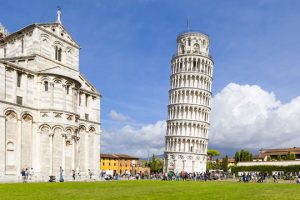
Early Attempts
Over the centuries, many attempts were made to correct or stabilize the tower. In the 14th century, architects added counterweights on the north side to balance the tilt. Later, efforts included reinforcing the base and even proposals to dismantle and rebuild the tower stone by stone.
Modern Restoration Projects
By the late 20th century, the tilt had become critical. In 1990, the Italian government closed the tower to the public for safety reasons. A team of international engineers and architects launched an ambitious restoration project to reduce the lean and stabilize the structure.
The solution involved:
- Soil Extraction: Engineers removed soil from underneath the north side to allow it to sink slightly and reduce the tilt.
- Anchors and Cables: Steel cables and weights temporarily supported the tower during the process.
- Gradual Correction: The tower’s tilt was reduced from 5.5 degrees to about 3.97 degrees, restoring safety without removing its iconic lean.
By 2001, the tower was declared stable and reopened to the public, with experts estimating it will remain safe for at least 200 more years.
The Leaning Tower as a Symbol
A Cultural and Touristic Icon
What was once considered an architectural flaw has turned into a global attraction. The Leaning Tower of Pisa draws millions of visitors annually, who marvel at its unique tilt and pose for creative photos appearing to “hold up” or “push down” the tower.
A Lesson in Engineering
The tower has also become a valuable educational case study in engineering and geology. Universities and researchers worldwide study it as an example of soil-structure interaction, foundation design, and long-term structural preservation.
Part of a UNESCO World Heritage Site
The Leaning Tower of Pisa, along with Pisa Cathedral, the Baptistery, and the cemetery, forms part of the Piazza dei Miracoli, designated a UNESCO World Heritage Site in 1987. Its global recognition underscores its cultural and historical significance.
Lessons from the Leaning Tower
Understanding the Importance of Soil Mechanics
The tower highlights how critical soil testing and foundation design are in construction. Modern geotechnical engineering ensures that new buildings can withstand variable soil conditions, something medieval builders could not fully grasp.
The Value of Preservation
The successful stabilization of the Leaning Tower shows the importance of international cooperation in preserving cultural heritage. Instead of correcting the tilt entirely, experts chose to maintain its iconic lean while ensuring safety—striking a balance between authenticity and preservation.
Turning Mistakes into Strengths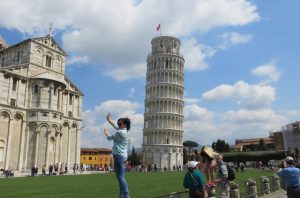
The Leaning Tower of Pisa serves as a reminder that human errors can sometimes become symbols of resilience. What began as a flawed design has evolved into a landmark that embodies both scientific curiosity and artistic wonder.
Conclusion
The Leaning Tower of Pisa leans primarily because of unstable soil and a shallow foundation, compounded by medieval engineering limitations. Yet, despite these challenges, the tower has endured for centuries thanks to both its structural resilience and the efforts of generations of engineers. Today, it stands not only as a tourist attraction but also as a powerful lesson in engineering, history, and cultural preservation.
Rather than correcting the tilt completely, modern engineers preserved it as part of the tower’s identity. The Leaning Tower of Pisa reminds us that imperfections can become sources of beauty, fascination, and global pride. Its lean is not just a flaw—it is a story of survival, ingenuity, and the timeless interplay between human ambition and the natural world.
The Mystery of Mona Lisa’s Eyes
https://shorturl.fm/zc8Nv