
 By admin
All About Tesla: Revolutionizing the Future of Transportation and Energy
Introduction
Tesla, Inc. stands as one of the most influential and innovative companies of the 21st century. Founded in 2003 by engineers Martin Eberhard and Marc Tarpenning—and later propelled into global fame under the leadership of entrepreneur Elon Musk—Tesla has revolutionized the automotive industry and redefined how the world views renewable energy. What began as a daring electric car startup has evolved into a multifaceted powerhouse driving advancements in electric vehicles (EVs), energy storage, artificial intelligence, and clean energy production.
Today, Tesla’s impact extends far beyond car manufacturing. The company’s technologies influence sustainability policies, inspire global competition in electric mobility, and contribute to the ongoing fight against climate change. This article explores Tesla’s origins, technological innovations, production strategy, global influence, and future ambitions, offering a comprehensive understanding of how Tesla became the engine of a cleaner, smarter future.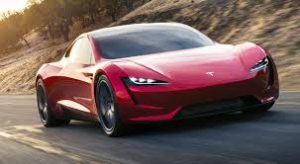
The Origins of Tesla
Early Vision and Founding
Tesla Motors was founded in 2003 with a single mission: to accelerate the world’s transition to sustainable energy. At that time, electric vehicles were seen as slow, impractical, and unattractive alternatives to gasoline-powered cars. Tesla’s founders set out to prove that electric cars could be both high-performance and environmentally friendly.
Elon Musk joined the company soon after as an investor and eventually became CEO, shaping Tesla’s aggressive innovation culture and long-term strategy. Musk’s vision expanded Tesla’s goals from making a niche sports car to building an ecosystem of affordable electric vehicles, clean energy products, and intelligent transportation systems.
The Roadster and the Start of a Revolution
Tesla’s first product, the Tesla Roadster, launched in 2008. Built on a Lotus Elise chassis, it was the first production car to use lithium-ion battery cells and could travel more than 200 miles on a single charge—an extraordinary achievement at the time. The Roadster shattered the stereotype that electric vehicles were slow and uninspiring, setting the stage for Tesla’s rise as a disruptive force in the automotive industry.
Tesla’s Core Products and Innovations
1. Electric Vehicles (EVs)
Tesla’s main product line consists of electric vehicles designed to cater to different market segments:
- Model S – A luxury sedan known for its exceptional range and performance, capable of rivaling or surpassing traditional sports cars.
- Model 3 – Tesla’s most affordable and best-selling vehicle, designed to make EVs accessible to a broader audience.
- Model X – A luxury SUV featuring falcon-wing doors, advanced safety features, and high power.
- Model Y – A compact SUV that quickly became Tesla’s global best-seller due to its versatility and efficiency.
- Cybertruck – Tesla’s futuristic electric pickup truck, released in 2023, built from stainless steel with extreme durability and off-road performance.
- Tesla Semi – An all-electric truck designed for the logistics industry, aiming to reduce transportation emissions and operating costs.
- Roadster (Second Generation) – A revival of Tesla’s first car, boasting record-breaking acceleration and range, set to enter production soon.
2. Autopilot and Full Self-Driving (FSD) Technology
Tesla’s Autopilot and Full Self-Driving (FSD) systems represent some of the most advanced driver-assistance technologies in the world. Using cameras, sensors, and AI-powered neural networks, Tesla vehicles can steer, accelerate, and brake automatically within lanes.
In 2025, Tesla continues refining its FSD software through over-the-air updates, using data from millions of vehicles to improve real-world performance. While fully autonomous driving is not yet legally approved in all countries, Tesla’s continuous innovation has made it a leader in the race toward self-driving mobility.
3. Energy Generation and Storage
Beyond cars, Tesla has become a global clean energy company. Its Tesla Energy division focuses on products that promote renewable power and energy independence:
- Solar Roof and Solar Panels convert sunlight into electricity for homes and businesses.
- Powerwall stores excess solar energy for nighttime or emergencies.
- Powerpack and Megapack serve commercial and grid-scale energy storage needs, helping stabilize electrical grids and support renewable integration.
These solutions align with Musk’s long-term vision of a sustainable energy ecosystem, where electric cars, solar power, and energy storage work seamlessly together.
Manufacturing Excellence and the Gigafactories
Building at Scale
Tesla’s rapid growth has been powered by its global network of Gigafactories—massive facilities dedicated to producing batteries, vehicles, and energy products at unprecedented scales. By controlling production and supply chains, Tesla reduces costs, improves efficiency, and ensures consistent quality.
Global Gigafactory Network
As of 2025, Tesla operates several major Gigafactories across the world:
- Gigafactory Nevada (USA): Focused on battery production and energy storage systems.
- Gigafactory Texas (USA): Produces the Model Y, Cybertruck, and battery cells, serving as a major hub for Tesla’s North American operations.
- Gigafactory Berlin-Brandenburg (Germany): Tesla’s European hub, producing Model Y vehicles and advancing sustainable manufacturing processes.
- Gigafactory Shanghai (China): A crucial plant supplying vehicles for Asia-Pacific markets and playing a vital role in Tesla’s international success.
- Gigafactory Mexico (under development): Expected to further expand Tesla’s production capacity and bring down manufacturing costs.
Each factory embodies Tesla’s philosophy of vertical integration, where the company manages nearly every stage of production—from raw materials to final assembly.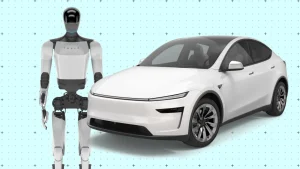
Artificial Intelligence and Robotics
Tesla’s AI Leadership
Tesla is not just a car company; it’s also an AI-driven technology enterprise. Its vehicles use sophisticated neural networks that learn from billions of miles of driving data, enabling safer and smarter systems over time. The company’s Dojo Supercomputer, one of the most powerful AI training systems in the world, accelerates the development of autonomous driving and real-time perception.
Tesla Bot (Optimus)
In 2022, Tesla unveiled Optimus, a humanoid robot designed to perform repetitive or dangerous tasks. By 2025, Optimus prototypes are being tested in Tesla factories for material handling, assembly assistance, and warehouse logistics. Musk envisions a future where humanoid robots complement human workers and transform global labor productivity.
Financial Performance and Market Influence
Market Capitalization and Investor Confidence
Tesla’s rise has been historic. From a startup on the verge of bankruptcy in 2008, it grew into a trillion-dollar company by 2021. Despite economic fluctuations, Tesla remains one of the world’s most valuable automakers and a top innovator in clean technology.
Its consistent revenue growth comes from expanding EV sales, energy storage deployments, and software-based income from Autopilot subscriptions. Tesla’s strong brand loyalty and forward-looking leadership continue to attract investors who see the company as central to the sustainable energy revolution.
Competition and Global Impact
Tesla’s success has forced traditional automakers to accelerate their EV plans. Companies like Ford, General Motors, BMW, and Volkswagen have launched electric lineups to compete. This competition benefits the global transition to electric transportation, highlighting Tesla’s catalytic influence on the entire industry.
Tesla’s Environmental and Social Impact
Reducing Carbon Emissions
By replacing gasoline-powered vehicles with zero-emission electric cars, Tesla has significantly reduced global greenhouse gas emissions. Its products collectively save millions of tons of CO₂ each year. Moreover, Tesla’s energy solutions help homes and businesses switch to clean power sources.
Sustainable Manufacturing
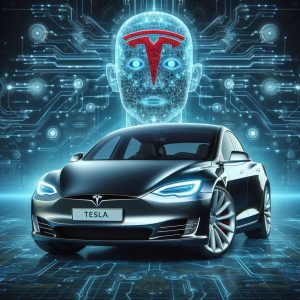
Tesla integrates sustainability into every step of production. Its factories aim for closed-loop battery recycling, minimal waste, and renewable-powered operations. The company has also begun mining its own lithium and other key minerals in ethical, environmentally conscious ways.
Corporate Responsibility
Tesla’s environmental commitment extends to social issues, including promoting fair labor practices, supporting STEM education, and advancing equal opportunity. While it has faced criticism for workplace conditions and executive management style, Tesla continues to refine its policies to align innovation with social responsibility.
Challenges and Criticisms
Production Bottlenecks and Quality Control
Despite its achievements, Tesla has faced recurring challenges. Rapid scaling sometimes leads to production delays and quality issues. Customers have reported inconsistencies in vehicle fit, finish, and software reliability—problems Tesla works to resolve through automation and improved supply chain management.
Regulatory and Legal Scrutiny
Tesla’s Autopilot system has drawn scrutiny from regulators worldwide due to safety concerns and accidents involving driver misuse. The company faces the challenge of ensuring users understand the technology’s limits while continuing to improve its capabilities.
Competition and Market Maturity
As the EV market matures, Tesla must adapt to new competitors offering lower prices, diverse models, and government-backed incentives. Maintaining market dominance will require constant innovation, strategic expansion, and continued excellence in software and energy solutions.
The Future of Tesla
Expanding Beyond Automobiles
Tesla’s ambitions extend far beyond vehicles. By integrating solar energy, battery storage, AI, and robotics, the company is building a complete ecosystem of sustainable technology. In the coming years, Tesla plans to expand its presence in developing markets, enhance charging infrastructure, and continue reducing battery costs to make EVs more affordable.
Global Sustainability Goals
Elon Musk’s “Master Plan Part 3,” revealed in 2023, envisions a future powered entirely by renewable energy, supported by efficient energy storage systems and electric transportation. Tesla’s ongoing innovations—such as solid-state batteries, next-generation charging networks, and AI-based grid management—are expected to play key roles in achieving this goal.
A Vision for Humanity’s Future
Tesla’s mission goes beyond technology—it’s about reshaping how humanity lives on this planet. From electric vehicles and solar energy to AI and robotics, every Tesla innovation aims to bring us closer to a sustainable, efficient, and interconnected future.
Conclusion
Tesla has transformed from a small Silicon Valley startup into a global symbol of innovation and sustainability. Its commitment to advancing electric vehicles, renewable energy, and artificial intelligence continues to redefine industries and inspire generations.
As the world transitions toward a low-carbon future, Tesla stands at the center of that transformation—driven by bold vision, relentless innovation, and a mission that goes far beyond profit: to create a sustainable future for all.
Whether you view Tesla as a car manufacturer, an energy company, or a technological pioneer, one thing is undeniable—it has changed the world’s trajectory toward cleaner energy and smarter living.
The Evolving Role of External Hard Drives