
 By admin
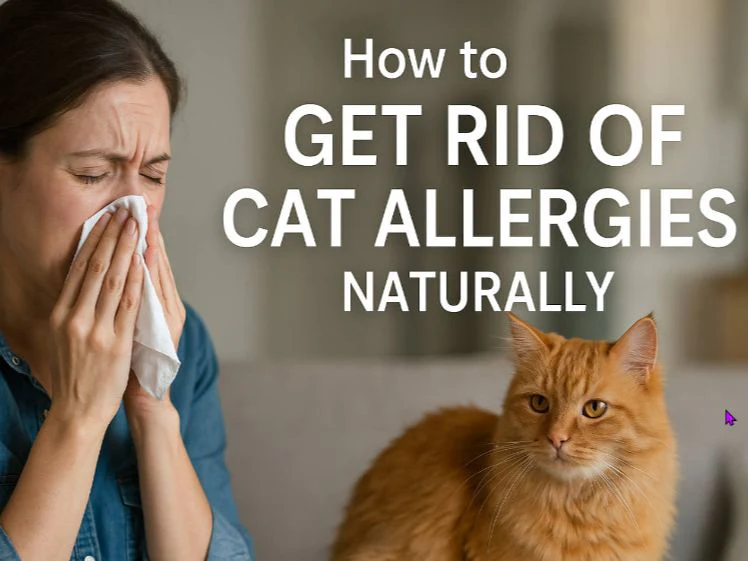
Understanding, Diagnosing, and Managing Feline Allergies
Introduction: When Your Cat’s Health Starts to Scratch Back
Cats, much like humans, can develop allergies that cause discomfort, persistent itching, and even chronic health problems. Although cats often appear graceful and composed, an underlying allergic reaction can transform that elegance into restlessness, excessive grooming, or even digestive distress. The signs can range from constant scratching and sneezing to vomiting or diarrhea — all depending on the type of allergen affecting them.
Feline allergies have become increasingly common in modern households. From food sensitivities and environmental irritants to flea bites and contact reactions, our pets are constantly exposed to potential triggers. Understanding what causes these allergies, how to recognize them, and how to effectively treat them can drastically improve your cat’s quality of life — and help restore peace to your home.
This comprehensive guide explores the types of cat allergies, their symptoms, diagnostic methods, and modern treatments, providing cat owners with everything they need to keep their feline companions healthy and happy.
1. Understanding Feline Allergies
What Is an Allergy?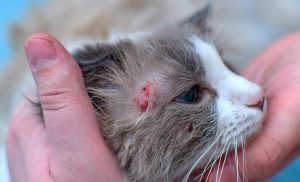
An allergy is the body’s immune system overreacting to a normally harmless substance, known as an allergen. When your cat encounters an allergen, its immune system perceives it as a threat and releases chemicals like histamine to combat it — resulting in inflammation, itching, and other uncomfortable symptoms.
How Common Are Allergies in Cats?
Feline allergies are not rare. Studies suggest that up to 15% of cats experience some form of allergic reaction during their lifetime. Indoor cats, in particular, are increasingly prone to environmental allergies because they are exposed year-round to dust, artificial fabrics, and indoor pollutants.
2. The Four Major Types of Cat Allergies
Cat allergies generally fall into four categories: flea allergies, food allergies, inhalant (environmental) allergies, and contact allergies. Each type affects the body differently and requires a unique approach to treatment.
2.1 Flea Allergy Dermatitis (FAD)
The Most Common Feline Allergy
Flea allergy dermatitis is the most widespread type of allergy in cats. While most cats experience mild irritation from flea bites, cats with flea allergies develop intense reactions to the flea’s saliva. Even a single bite can lead to severe itching, redness, and inflammation.
Symptoms of Flea Allergies
- Excessive scratching, particularly around the neck and base of the tail
- Hair loss due to biting or grooming
- Small red bumps or scabs on the skin
- Restlessness and behavioral changes due to discomfort
Modern Treatments and Prevention
The most effective strategy is prevention. Veterinarians recommend using monthly flea control products, such as oral tablets or topical treatments. It’s also essential to treat the environment — vacuum carpets, wash bedding frequently, and treat other pets to prevent reinfestation.
In cases of severe irritation, corticosteroids or antihistamines may be prescribed to reduce inflammation and itching. Omega-3 supplements and hypoallergenic shampoos can also soothe the skin naturally.
2.2 Food Allergies
When Dinner Turns Dangerous
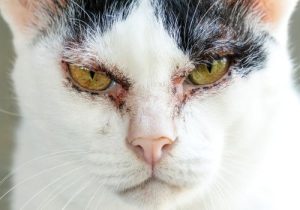
Food allergies occur when your cat’s immune system identifies certain food proteins as harmful invaders. Unlike food intolerances, which are digestive issues, true food allergies involve an immune response and can affect both the skin and internal organs.
Common Food Allergens in Cats
- Beef
- Chicken or poultry
- Fish
- Dairy products
- Lamb
- Eggs
- Soy or grains (in some processed cat foods)
Symptoms of Food Allergies
- Persistent itching, especially on the head and neck
- Hair loss or skin lesions
- Vomiting or diarrhea
- Frequent ear infections
- Poor coat condition
Diagnosing Food Allergies
The gold standard for diagnosing food allergies is the elimination diet trial, typically lasting 8–12 weeks. During this time, your cat is fed a novel protein diet (using a protein they have never eaten before, such as venison or duck) or a hydrolyzed protein diet, in which the proteins are broken down into smaller, less reactive components.
If symptoms improve and later return when the old food is reintroduced, the culprit is confirmed.
Managing Food Allergies
Once identified, the best approach is complete avoidance of the offending ingredient. Fortunately, many commercial hypoallergenic cat foods are available today, offering balanced nutrition while reducing allergic triggers.
2.3 Inhalant or Environmental Allergies (Atopy)
Allergies in the Air
Inhalant allergies — also known as atopy — are among the most common allergic reactions in cats. These occur when your cat breathes in airborne allergens, such as pollen, dust mites, mold spores, or household chemicals.
Common Environmental Allergens
- Tree, grass, and weed pollens
- Mold and mildew
- Household cleaning agents
- Cigarette smoke
- Perfumes and air fresheners
- Dust and dust mites
Symptoms of Inhalant Allergies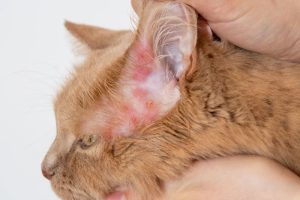
- Frequent sneezing and coughing
- Watery eyes or nasal discharge
- Itchy skin, particularly on the face and paws
- Excessive grooming or scratching
- Hair loss in specific areas
Diagnosis and Modern Treatments
A veterinarian may conduct intradermal skin testing or serum allergy testing to identify specific allergens. Once known, treatments may include:
- Allergen avoidance (e.g., using air purifiers and hypoallergenic bedding)
- Immunotherapy (allergy shots or oral drops that gradually desensitize the immune system)
- Anti-inflammatory medications like corticosteroids or cytokine inhibitors
- Omega-3 fatty acids and supplements for skin health
In addition, maintaining good indoor air quality and regular grooming can help minimize exposure and symptoms.
2.4 Contact Allergies
Direct Irritation from Everyday Items
Contact allergies are less common but still cause discomfort. These occur when your cat’s skin comes into direct contact with an irritant or allergen.
Common Sources of Contact Allergies
- Flea collars or certain topical medications
- Plastic feeding bowls
- Laundry detergents and fabric softeners
- Carpet cleaners or household disinfectants
- Certain fabrics in bedding or clothing
Symptoms and Management
Symptoms are usually localized — redness, swelling, or rashes where contact occurred. The best remedy is to identify and remove the source of irritation.
Switch to stainless steel or ceramic bowls, wash bedding with fragrance-free detergents, and choose hypoallergenic collars and toys. Mild topical creams or medicated shampoos prescribed by a vet can relieve inflammation.
3. Diagnosing Allergies in Cats
The Process of Elimination
Diagnosing cat allergies is often challenging because symptoms overlap between different allergy types. Veterinarians typically follow a systematic process of elimination, ruling out parasites, infections, or other medical conditions first.
Key Diagnostic Methods
- Physical Examination: Checking for skin lesions, hair loss, or inflammation.
- Flea Comb Testing: Detecting flea dirt or live fleas.
- Skin Scraping or Cytology: Examining cells for infection or parasites.
- Allergy Testing: Blood or intradermal tests to identify allergens.
- Elimination Diet Trials: Used for food-related cases.
The goal is to determine the root cause rather than just managing the symptoms.
4. Modern Treatments for Cat Allergies
4.1 Veterinary Medications
Modern veterinary medicine offers several safe and effective options for managing allergies:
- Corticosteroids: Quickly reduce inflammation but should be used cautiously due to side effects.
- Antihistamines: Provide relief for mild symptoms.
- Immunotherapy: Custom allergy shots that desensitize your cat over time.
- Cytopoint and Apoquel (off-label use in cats): Newer biological treatments that target specific immune pathways involved in itching.
4.2 Natural and Home Remedies
In addition to medical treatments, natural methods can support your cat’s recovery:
- Omega-3 and Omega-6 fatty acid supplements to reduce inflammation.
- A balanced, hypoallergenic diet to support immune function.
- Regular grooming and bathing with hypoallergenic shampoos to remove allergens from the coat.
- Air purifiers and humidity control to improve indoor air quality.
4.3 Lifestyle Adjustments
- Keep your cat’s environment clean and allergen-free.
- Wash bedding, curtains, and toys frequently.
- Use HEPA filters in your home.
- Limit outdoor exposure during pollen-heavy seasons.
5. When to See a Veterinarian
Persistent itching, bald spots, sneezing, or gastrointestinal distress are not normal and warrant veterinary attention. Early intervention can prevent secondary infections and chronic inflammation.
A veterinarian will create a personalized treatment plan based on your cat’s symptoms, environment, and test results. With proper care, most cats can live comfortably even with allergies.
Conclusion: Helping Your Cat Live Comfortably with Allergies
Cat allergies can be frustrating for both the pet and the owner, but they are highly manageable with modern veterinary care, proper nutrition, and attentive home management. By understanding the different types of feline allergies — from flea bites to food sensitivities — you can recognize early warning signs and take action before they escalate.
With consistent treatment, allergen control, and a watchful eye, your cat can enjoy a long, comfortable, and itch-free life.