
 By admin

Introduction: The Digital Transformation of Asset Management
In the rapidly evolving landscape of the 21st century, businesses face a pressing need to adapt their management systems to a digital-first world. Among the most critical areas undergoing transformation is asset management — the process of systematically developing, operating, maintaining, upgrading, and disposing of assets cost-effectively. Traditionally, asset management revolved around maximizing the life cycle of physical assets like buildings, machinery, and infrastructure. However, in today’s interconnected economy, the definition has expanded to include digital assets such as data, multimedia, documents, and intellectual property.
As industries shift towards automation and digitization, digital asset management (DAM) has emerged as a strategic necessity rather than a luxury. It is no longer just about maintaining assets but about leveraging technology to optimize performance, reduce costs, and create long-term value. This article explores the modern evolution of asset management, the role of digital solutions in business operations, and why embracing digital tools is now essential for competitiveness in the digital world.
Understanding the Foundations of Asset Management
From Traditional to Modern Asset Management
Historically, asset management was defined as a structured process for maintaining and utilizing resources to provide value to the organization or community. It combined principles of engineering, finance, and business management to ensure that physical assets remained functional and profitable over their life span.
Traditional asset management focused primarily on: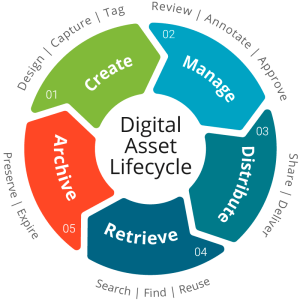
- Maintenance and repair of physical assets.
- Budgeting for replacements and upgrades.
- Reducing operational downtime.
- Ensuring regulatory compliance.
However, this manual approach was time-consuming, data-heavy, and prone to human error. As technology advanced, it became clear that relying solely on manual systems could no longer support the growing complexity of modern business ecosystems. The need for real-time insights, automation, and integration gave birth to the era of digital asset management.
The Core Functions of Asset Management
In essence, asset management follows a lifecycle model that includes the following stages:
- Planning and Acquisition: Identifying the need for an asset based on demand and strategic goals.
- Operation and Maintenance: Ensuring that assets are efficiently used and maintained to maximize their utility.
- Performance Monitoring: Tracking and evaluating asset performance using key performance indicators (KPIs).
- Optimization: Improving processes and asset utilization to enhance productivity.
- Decommissioning and Disposal: Phasing out or replacing assets that are no longer cost-effective or operationally viable.
This systematic approach allows organizations to balance performance, cost, and risk, ensuring long-term sustainability and profitability.
The Rise of Digital Asset Management (DAM)
Defining Digital Asset Management
Digital Asset Management (DAM) refers to the use of specialized software systems to store, organize, retrieve, and distribute digital assets such as images, videos, presentations, design files, and documents. In the business context, these assets are crucial for branding, marketing, communication, and operational continuity.
DAM systems provide a centralized repository that enables teams to collaborate efficiently, maintain version control, and access digital files securely from anywhere in the world. With cloud-based platforms becoming the standard, DAM has evolved into an indispensable tool for companies aiming to streamline workflows and maintain digital consistency across departments.
Why DAM Matters in Modern Business
In the digital economy, data and digital content are as valuable as physical assets. Businesses produce vast volumes of content daily—marketing campaigns, product imagery, reports, and multimedia presentations. Managing this digital overload without automation can lead to inefficiencies, duplication, and lost productivity.
DAM addresses these challenges by: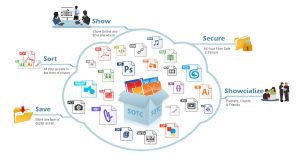
- Automating file organization and retrieval.
- Reducing time spent on manual data management.
- Enhancing collaboration between teams.
- Ensuring brand consistency across marketing materials.
- Providing secure access and backups to prevent data loss.
Whether it’s a global corporation managing thousands of marketing assets or a small enterprise building its online presence, DAM allows for efficient handling of digital resources — a critical advantage in the era of remote work and cloud computing.
How Digital Asset Management Transforms Business Operations
1. Centralized Control and Accessibility
With digital transformation, businesses often operate across multiple platforms and regions. DAM systems bring all digital resources under one roof, making them accessible through secure cloud-based interfaces. This centralized control ensures that employees, regardless of location, can access approved and updated content instantly — a must-have for maintaining operational efficiency and brand consistency.
2. Enhanced Collaboration and Productivity
One of the most significant benefits of DAM is improved collaboration. Teams can work simultaneously on shared assets, leave feedback, and track revisions in real time. This eliminates communication gaps and ensures that projects move faster. Marketing and design departments, in particular, benefit from this streamlined approach when producing advertising materials or digital content.
3. Automation of Repetitive Tasks
Manual management of assets is time-consuming and prone to errors. DAM automates processes like file tagging, categorization, and version control. With artificial intelligence and machine learning integration, modern DAM platforms can even recognize images, categorize files, and recommend metadata automatically. This automation not only saves time but also reduces human error and operational costs.
4. Secure Backup and Disaster Recovery
Data loss can cripple a business. DAM systems incorporate automatic backup protocols and disaster recovery mechanisms to protect digital assets from system failures or cyber threats. With advanced encryption and access controls, organizations can safeguard their intellectual property and ensure regulatory compliance in data protection.
5. Scalability and Integration with Other Tools
Modern DAM solutions are highly scalable, meaning they grow alongside your business. They can be integrated with content management systems (CMS), customer relationship management (CRM) tools, and marketing automation platforms, ensuring smooth data flow across all digital systems. This interoperability allows businesses to maximize efficiency while maintaining flexibility.
Applications of Digital Asset Management Across Industries
Marketing and Advertising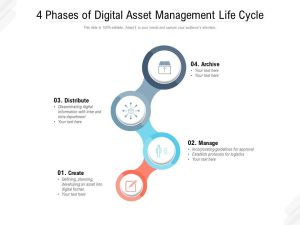
Marketing teams use DAM to manage vast collections of images, videos, and graphics used in campaigns. By enabling quick access to approved brand assets, companies can ensure visual consistency across multiple channels—websites, social media, print, and television.
E-commerce and Retail
For e-commerce businesses, product images and descriptions are core assets. DAM simplifies the process of updating online catalogs, managing product variations, and ensuring that all listings adhere to brand guidelines.
Education and Nonprofits
Educational institutions and nonprofit organizations increasingly rely on digital materials for outreach, training, and communication. DAM enables them to store and distribute educational videos, documents, and promotional content efficiently.
Manufacturing and Engineering
Manufacturing companies often handle complex technical documentation, design files, and compliance data. A DAM system helps track the latest versions of blueprints, manuals, and certifications, reducing errors and improving coordination across teams.
Media and Entertainment
The entertainment industry manages a vast array of media files — from production footage to marketing clips. DAM ensures secure storage, easy retrieval, and efficient distribution of these assets to stakeholders worldwide.
The Economic and Strategic Benefits of Digital Asset Management
Reducing Costs and Increasing ROI
While implementing a DAM system involves an upfront investment, the return on investment (ROI) is substantial. By automating repetitive tasks, minimizing data redundancy, and reducing search time for assets, companies save thousands of hours annually. This translates into measurable financial savings and increased productivity.
Improving Brand Consistency
A unified DAM platform ensures that everyone in the organization uses the same, up-to-date branding materials. Consistent logos, fonts, and messaging strengthen the company’s identity and customer trust.
Supporting Data-Driven Decisions
With analytics tools integrated into DAM platforms, businesses can track which assets perform best across campaigns and channels. This data-driven insight allows marketers to refine strategies and allocate resources more effectively.
Enabling Sustainable Business Practices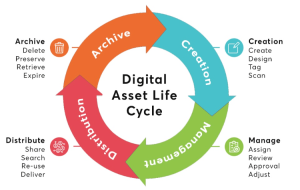
By digitizing workflows, DAM reduces the need for physical storage and paper-based processes. This contributes to environmental sustainability and aligns with corporate social responsibility (CSR) goals — a growing priority for modern businesses.
Challenges and Future of Digital Asset Management
Despite its numerous benefits, DAM adoption is not without challenges. Common obstacles include:
- Resistance to change from traditional systems.
- High initial setup and training costs.
- Integration complexity with existing IT infrastructure.
However, as AI and cloud technologies advance, DAM platforms are becoming more intuitive, affordable, and adaptable. The next generation of DAM will likely include:
- AI-driven content recommendations for personalized marketing.
- Blockchain-based authentication for verifying asset ownership.
- Enhanced interoperability across business applications.
As digital ecosystems grow, DAM will become an even more vital part of strategic business management.
Conclusion: A Smarter, Faster, Digital Future
In the digital age, asset management is no longer confined to spreadsheets and manual records. It has evolved into a dynamic, technology-driven process that empowers organizations to operate smarter, faster, and more efficiently. Digital Asset Management (DAM) stands at the heart of this transformation—streamlining workflows, securing valuable data, and enhancing productivity across industries.
Whether you run a global enterprise or a small business, adopting digital asset management tools is a strategic step toward long-term success. The world is moving toward automation and cloud-based efficiency — and those who embrace these systems will be better equipped to thrive in an increasingly digital future.
How Pay-Per-Click Boosts Online Revenue