
 By admin
Correcting Your Acid–Alkaline Balance Through the Water You Drink: What Modern Science and Experts Suggest
Introduction
In recent years, the concept of acid–alkaline balance in the body has become a widely discussed topic in nutrition and wellness circles. Many health advocates suggest that our modern diet, high stress levels, and environmental exposure contribute to increased acidity in the body, creating conditions that may influence fatigue, inflammation, reduced immunity, digestive distress, and other health concerns. This conversation has led to growing interest in ways to restore a healthier pH balance, including lifestyle changes, dietary adjustments, and, notably, the type of water we drink.
However, the discussion is often clouded by conflicting claims, outdated assumptions, and sometimes exaggerated marketing messages. To understand the subject clearly, it is essential to distinguish between proven scientific knowledge, ongoing research, and expert opinions that guide practical lifestyle choices.
This article examines what acid–alkaline balance means in biological terms, how the body manages pH naturally, what can influence this balance over time, and how water—especially alkaline or ionized water—has been discussed as a supportive factor. By reviewing expert insights and up-to-date scientific information, we aim to offer a balanced perspective to help readers make informed decisions about hydration and overall wellness.
Understanding Acid–Alkaline Balance (pH) in the Human Body
The Role of pH in the Body
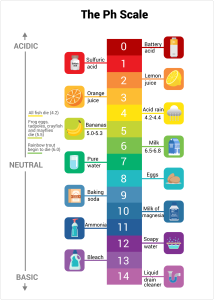
The term pH refers to the measure of how acidic or alkaline a substance is, on a scale from 0 to 14.
- pH 7 is neutral.
- Below 7 is acidic.
- Above 7 is alkaline.
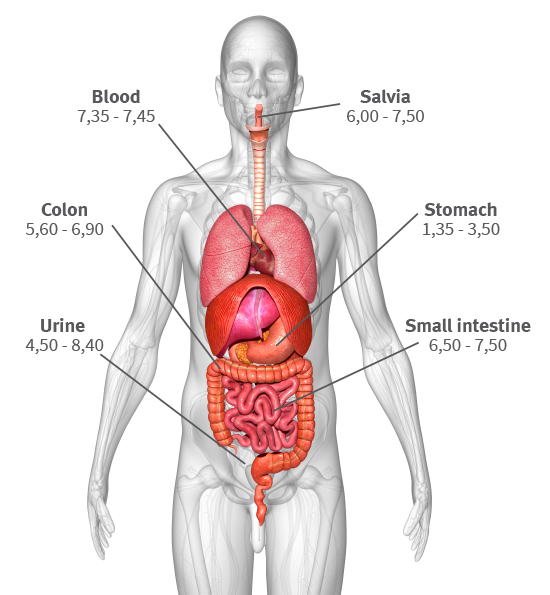
Different parts of the body naturally have different pH levels. For example:
- The stomach is highly acidic (pH 1.5–3.5) to break down food.
- The blood is slightly alkaline, normally maintained between pH 7.35 and 7.45.
- Saliva varies depending on diet and digestion.
- Urine changes regularly to help the body release excess acids or alkaline compounds.
A healthy body carefully regulates these pH levels using mechanisms involving the lungs, kidneys, liver, and bloodstream. This regulation is known as homeostasis.
How Imbalance May Occur
Many nutrition and wellness experts argue that modern lifestyles contribute to a gradual increase in internal acidity. Contributors may include:
- High consumption of processed foods and sugar
- Excessive meat and dairy intake
- Soft drinks and energy beverages
- Chronic mental stress and lack of sleep
- Environmental pollutants and smoking
- Sedentary lifestyle
When the body accumulates more acid-forming byproducts than it can efficiently neutralize, it may draw minerals such as calcium, magnesium, and potassium from bones and tissues to compensate. Some researchers suggest that over time, this may contribute to fatigue, inflammatory stress, and other health challenges.
Expert Perspectives on Acid Waste in the Body
According to Dr. Stefan Kuprowsky, a natural medicine researcher, acid waste may accumulate in the body in forms such as:
- Cholesterol deposits
- Gallstones
- Kidney stones
- Arterial plaque
- Calcium deposits
- Urate crystals
He suggests that chronic acid buildup may be linked to premature aging and several degenerative conditions.
Similarly, Dr. Robert Atkins, the well-known nutrition and health author, stated that acidity appears to be associated with a wide range of chronic health conditions.
Dr. Theodore A. Baroody, author of Alkalize or Die, takes the concept further, arguing that while illnesses have different names and symptoms, they may share a common underlying factor: excessive acid waste in body tissues.
It is important to note that mainstream medical science does not fully endorse these claims as proven, and many researchers emphasize that the body is generally capable of managing pH balance effectively. However, many practitioners in nutritional medicine suggest that reducing acid-forming dietary habits and improving hydration can support the body’s natural ability to maintain equilibrium.
Steps to Support a Balanced Internal pH
1. Increasing Physical Activity
Regular exercise helps:
- Improve circulation
- Enhance oxygen uptake
- Promote removal of metabolic waste
- Support stress reduction
Even moderate activities such as walking, light cycling, or yoga can contribute to better systemic balance.
2. Reducing High Acid-Forming Foods and Drinks
Foods commonly considered acid forming include:
- Red and processed meat
- White bread and refined grains
- Fried foods
- Sugary snacks and desserts
- Soda and sweetened beverages
- Excessive coffee or alcohol
Foods commonly considered alkalizing include:
- Leafy green vegetables
- Fresh fruits (especially citrus, which becomes alkaline after digestion)
- Almonds and seeds
- Legumes
- Mineral-rich spring water
3. Drinking the Right Water
This is where the discussion becomes especially relevant. Some researchers and wellness practitioners argue that the pH level and mineral content of water may influence how the body handles acid waste.
What Is Alkaline Water?
Natural vs. Ionized Alkaline Water
Natural alkaline water is typically formed when groundwater flows over mineral-rich rocks, absorbing beneficial minerals such as calcium, magnesium, and potassium.
Ionized alkaline water, however, is produced through a device called a water ionizer, which uses electrolysis to separate water into alkaline and acidic components.
Historical and Global Observations
According to Dr. Leonard Horowitz, populations with higher consumption of alkaline water (pH 9.0–10.0) reportedly have lower rates of certain chronic diseases, even after accounting for other lifestyle factors. However, such observations are correlational, meaning they do not prove cause and effect.
Researchers in Japan first explored alkaline ionized water after discovering that people living near certain fast-moving mountain streams enjoyed better-than-average health. The water was found to be naturally structured differently, with antioxidant-like electrical properties.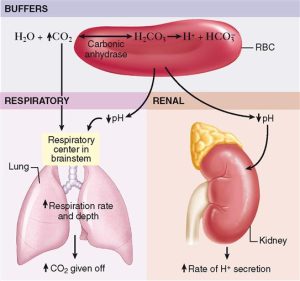
As ionized water technology spread, more health practitioners began to observe its effects in their clients.
Dr. Stefan Kuprowsky states:
“We can assist the body in being more alkaline with drinking alkaline water.”
Dr. T. Baroody adds:
“Ionized water may change the way we approach health in the future.”
Balanced Scientific Consideration
Modern research suggests:
- Alkaline water may provide hydration benefits for athletes and active individuals.
- It may help reduce acid reflux in some cases.
- It may temporarily influence urine or saliva pH.
However:
- It does not significantly change blood pH, which is tightly regulated.
- Benefits vary by individual.
- It should be viewed as a supportive hydration choice—not a medical cure.
Why Not Rely on Diet Alone?
Sang Whang, researcher and author of Reverse Aging, argues that while eating more alkaline-forming foods is beneficial, many people either find dietary changes challenging or risk restricting important food groups.
His approach suggests:
- Enjoy a balanced diet without extreme restrictions.
- Avoid over-eating or relying heavily on processed foods.
- Combine moderate dietary awareness with drinking alkaline water to help the body release acidic waste.
This balanced method allows individuals to support their system without rigid or stressful lifestyle changes.
Conclusion
The acid–alkaline balance of the body is a complex and dynamic system, influenced by diet, lifestyle, stress, environment, and hydration. While the body has natural mechanisms to maintain pH levels, the modern lifestyle may challenge these systems over time, potentially contributing to fatigue, inflammation, and reduced vitality.
Drinking water plays a critical role in supporting the body’s cleansing and metabolic processes. Alkaline or ionized water is viewed by many nutrition and wellness professionals as a useful tool for hydration and for helping the body manage acid waste more effectively. While it is not a cure-all and should not replace medical treatment, it may serve as a meaningful addition to a holistic approach to health—one that includes balanced nutrition, physical activity, and mindful stress management.
Ultimately, the goal is not to chase perfect pH levels, but to foster an internal environment where the body can function with greater efficiency, resilience, and harmony.
The Real Reasons Intelligence Differs Among Us