
 By admin
Introduction: The Puzzle of Human Intelligence
For centuries, scientists, philosophers, and psychologists have been fascinated by one profound question: why are some people smarter than others when all humans possess the same basic brain structure? From early thinkers like Aristotle to modern neuroscientists equipped with brain imaging technology, the quest to understand intelligence has never stopped.
At first glance, it might seem that intelligence should be evenly distributed among humans — after all, we all have the same organ inside our heads, weighing about 1.3 kilograms and containing roughly 86 billion neurons. Yet, in reality, people vary widely in how they think, learn, solve problems, and adapt to challenges. Some seem to excel effortlessly in academics, arts, or innovation, while others struggle even with simple reasoning tasks.
Modern science reveals that intelligence is not just about the brain’s size or structure — it’s an intricate interplay of genetics, environment, experiences, and even lifestyle. In this article, we’ll explore the biological, psychological, and social factors that shape human intelligence and explain why our mental abilities differ so dramatically.
1. Understanding Intelligence: More Than IQ
1.1 What Is Intelligence?
Intelligence is not a single trait; it’s a combination of multiple abilities — reasoning, problem-solving, creativity, emotional understanding, and adaptability. Psychologists define intelligence as the capacity to acquire and apply knowledge and skills.
Early 20th-century psychology focused heavily on IQ (Intelligence Quotient), developed by Alfred Binet. IQ tests measure logical reasoning, verbal comprehension, and spatial abilities. However, today’s experts recognize that IQ tests capture only a fraction of what it means to be intelligent.
Howard Gardner’s Theory of Multiple Intelligences expanded this view, identifying linguistic, logical-mathematical, musical, spatial, kinesthetic, interpersonal, intrapersonal, and naturalistic intelligences. This theory helps explain why some people excel at music or social interaction rather than math or language — intelligence takes many forms.
1.2 Emotional and Social Intelligence
In addition to cognitive ability, emotional intelligence (EQ) — the capacity to recognize, understand, and manage emotions — plays a vital role in success. People with high EQ navigate relationships effectively, handle stress better, and make wiser decisions.
Similarly, social intelligence — understanding social dynamics and human behavior — can make someone “street smart” even if they aren’t academically gifted. Intelligence, therefore, is multifaceted and deeply influenced by context.
2. The Role of Genetics in Intelligence
2.1 The Genetic Blueprint
Scientific studies estimate that genetics accounts for 50–70% of intelligence differences among individuals. Our DNA influences brain structure, neural connectivity, and how efficiently neurons communicate. Genes determine aspects like memory capacity, processing speed, and problem-solving ability.
Research involving twins separated at birth has shown that even when raised in different environments, identical twins often display strikingly similar IQ levels. This demonstrates that genes play a major role in shaping our intellectual potential.
2.2 Not All Genes Are Equal
However, no single “intelligence gene” exists. Instead, intelligence is polygenic — controlled by hundreds, possibly thousands, of genes. These genes influence how the brain develops, how neurotransmitters function, and how efficiently information is processed.
Recent discoveries have linked certain gene variants to enhanced learning ability or memory retention, though environmental factors determine whether these genetic potentials are fully realized.
2.3 The Gene-Environment Interaction
Even if genes set the stage, the environment directs the performance. For instance, a child born with a high genetic potential for intelligence may not achieve it if they lack proper nutrition, education, or stimulation. Conversely, a supportive and enriched environment can help a person exceed their genetic expectations.
3. Brain Structure and Function: The Biological Basis of Intelligence
3.1 Brain Size Isn’t Everything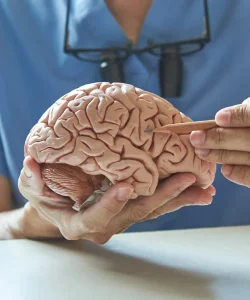
Historically, people assumed that larger brains meant higher intelligence. However, modern neuroscience has debunked this myth. While brain volume plays a minor role, neuronal density, connectivity, and efficiency are far more important.
The human brain’s prefrontal cortex, responsible for planning, reasoning, and decision-making, is particularly crucial to intelligence. People with stronger neural connections between different brain regions tend to exhibit better problem-solving skills and faster learning.
3.2 The Importance of Neural Plasticity
Neuroplasticity — the brain’s ability to reorganize and form new neural connections — is one of the most important factors in learning and intelligence. When we learn new things, our brains physically change by strengthening certain pathways and pruning unused ones.
Individuals who actively challenge their brains through reading, puzzles, learning languages, or creative activities maintain higher cognitive flexibility throughout life.
3.3 Brain Chemistry and Energy Efficiency
The brain consumes about 20% of the body’s total energy, even though it represents only about 2% of body weight. Smarter brains often use energy more efficiently, especially in areas related to memory and reasoning.
Neurotransmitters like dopamine, serotonin, and acetylcholine play crucial roles in motivation, focus, and learning speed. Balanced brain chemistry can significantly affect one’s intellectual performance.
4. Environmental and Social Influences
4.1 The Power of Education
Education is one of the strongest predictors of intelligence development. Access to quality education during childhood and adolescence provides the mental training that builds analytical and creative skills.
Early learning environments that encourage curiosity, questioning, and problem-solving stimulate cognitive growth. Conversely, educational deprivation or rote learning methods can stifle intellectual potential.
4.2 Socioeconomic Status
Children from wealthier families often have access to better nutrition, healthcare, books, and stimulating activities. These factors contribute to more robust brain development.
In contrast, children growing up in poverty are often exposed to chronic stress, poor nutrition, and limited educational resources — all of which can hinder brain growth and learning.
4.3 Cultural Attitudes Toward Intelligence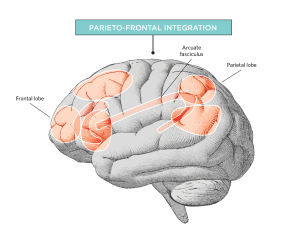
Cultural values shape how intelligence is perceived and nurtured. Some societies prioritize memorization and academic performance, while others emphasize creativity, collaboration, or practical knowledge.
Cultures that encourage critical thinking and innovation tend to produce individuals who perform well in diverse forms of intelligence, not just traditional IQ tests.
5. Lifestyle Factors That Shape Intelligence
5.1 Nutrition and Brain Health
The brain thrives on proper nutrition. Omega-3 fatty acids, found in fish and nuts, are essential for neural development. Deficiencies in iron, iodine, or vitamin B12 can lead to cognitive impairments.
Studies show that children who receive adequate nutrition in their early years perform significantly better in cognitive tests as adults.
5.2 Sleep and Cognitive Performance
Sleep is not merely rest; it’s a critical process where the brain consolidates memories and clears toxins. Chronic sleep deprivation impairs concentration, creativity, and problem-solving ability.
People who prioritize regular, high-quality sleep often demonstrate sharper thinking and better emotional regulation.
5.3 Physical Exercise
Exercise increases blood flow to the brain, delivering oxygen and nutrients that support cognitive function. Activities like running, yoga, and strength training release growth factors that enhance memory and learning capacity.
Even short bouts of daily exercise can significantly improve mental clarity and creativity.
5.4 Technology and Mental Stimulation
In the digital era, technology offers powerful tools for cognitive enhancement — from online learning platforms to brain-training apps. However, overreliance on digital media can also lead to distraction and reduced attention span.
Balance is key: using technology as a tool for knowledge rather than entertainment boosts intelligence, while mindless scrolling does the opposite.
6. The Psychological Dimension: Mindset and Motivation
6.1 Fixed vs. Growth Mindset
Psychologist Carol Dweck’s “growth mindset” theory explains that people who believe intelligence can be developed through effort and learning tend to achieve more than those who view intelligence as fixed.
A growth mindset encourages perseverance, resilience, and curiosity — traits that drive intellectual development. In contrast, a fixed mindset can limit progress by making people fear failure or avoid challenges.
6.2 Curiosity and Lifelong Learning
Curious individuals constantly seek new knowledge and experiences, keeping their brains active and adaptable. Lifelong learners develop greater neural connections, maintain mental flexibility, and are often more creative and innovative.
Intelligence, therefore, isn’t static; it grows with experience and effort.
7. Can Intelligence Be Increased?
While genetics set a baseline, modern science shows that intelligence can be improved through conscious habits and training. Some effective strategies include:
- Engaging in continuous learning and reading
- Practicing memory and logic exercises
- Learning new languages or musical instruments
- Meditating to enhance focus and emotional balance
- Maintaining a balanced diet and active lifestyle
- Building social relationships that challenge and inspire thought
These activities stimulate brain plasticity, strengthen neural networks, and sustain cognitive vitality well into old age.
Conclusion: Intelligence Is a Symphony of Many Factors
So, why are some people smarter than others if we all have the same brain? The answer lies not in brain size, but in how it is used, developed, and nurtured. Intelligence results from a complex combination of genetics, environment, mindset, lifestyle, and opportunity.
Every brain has the potential for brilliance — it depends on how we feed it, challenge it, and care for it. Some are born with genetic advantages, but without curiosity, perseverance, and the right environment, even the brightest potential may remain untapped.
Ultimately, intelligence is not a fixed gift but an evolving capability — one that can grow throughout life. The key lies in nurturing our minds with learning, health, and curiosity, transforming potential into performance.
Common Allergy Signs Explained