
 By admin
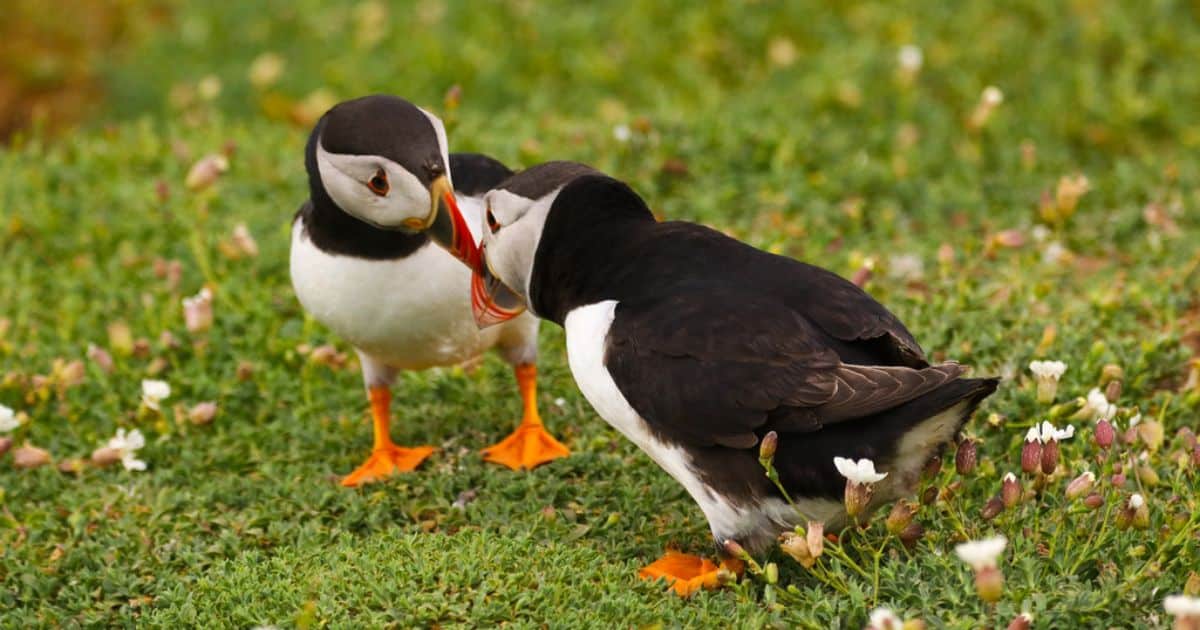
Why Do Some Animals Have a Breeding Season While Others Do Not?
Introduction
Reproduction is one of the fundamental processes required for the survival of any species. However, not all animals reproduce in the same way or at the same time. Some species have clearly defined breeding seasons, during which males and females come together to mate, while others are capable of breeding throughout the entire year. This difference raises an important question: Why do some animals have a specific mating season, while others do not?
The answer lies in a combination of environmental, physiological, and behavioral factors. Animals have evolved reproductive strategies that maximize the chances of survival for their offspring. This means that breeding is often closely linked to food availability, climate conditions, predator patterns, and the ability of parents to provide care. In species without seasonal breeding, year-round environmental stability or reproductive competition may lead to continuous mating opportunities.
Understanding these differences gives deeper insight into the complexity of nature, ecology, and evolutionary biology. This article explores the main factors that influence breeding seasons in animals, compares seasonal and non-seasonal breeders, and highlights real-life examples from across the animal kingdom.
1. The Concept of Breeding Seasons
A breeding season refers to a specific period in the year when animals reproduce. During this time, both males and females experience physiological changes that increase fertility and mating behaviors.
1.1 Why Breeding Seasons Exist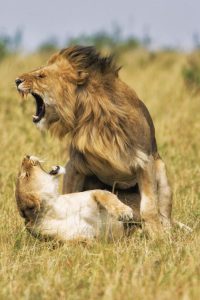
Breeding seasons exist to maximize reproductive success. By timing reproduction when conditions are ideal—such as plentiful food or favorable climate—animals increase the likelihood that their young will survive.
1.2 Types of Breeding Patterns
Animals generally fall into one of two categories:
| Type of Breeding | Description | Example Animals |
|---|---|---|
| Seasonal Breeders | Reproduce only during a specific season | Deer, most birds, bears |
| Continuous Breeders | Capable of breeding year-round | Humans, dogs, cattle |
2. Environmental Factors Influencing Breeding Seasons
2.1 Temperature and Climate
In many parts of the world, climate can vary drastically throughout the year. Seasonal breeders often time mating so that offspring are born when temperatures are warm and stable.
- Example: Many songbirds breed in spring so that chicks hatch when food is abundant.
2.2 Food Availability
Breeding and raising young require significant energy. Animals breed when food sources are abundant enough to support pregnant females and growing offspring.
- Herbivores often breed before plant growth peaks.
- Predators breed when prey populations are high.
2.3 Rainfall and Water Resources
In regions with dry and wet seasons, rain affects plant growth, which affects food chains.
- Example: Many African animals, including antelopes, breed during or just before the rainy season.
3. Biological and Hormonal Drivers
The internal biological clock also plays a powerful role.
3.1 Photoperiod (Length of Daylight)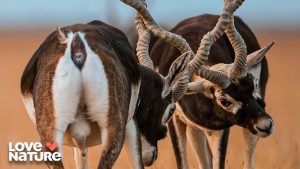
Many animals can detect changes in daylight through specialized cells in the brain, which trigger hormone changes.
- Longer days often stimulate mating behaviors.
- Shorter days may suppress fertility.
3.2 Hormonal Regulation
Hormones like testosterone and estrogen increase during breeding seasons, influencing:
- Mating displays
- Aggression
- Courtship rituals
- Sperm and egg production
3.3 Energy Conservation
Animals that undergo hibernation or long migrations cannot sustain pregnancy or parenting at difficult times. They breed before or after those periods.
4. Behavioral Adaptations in Seasonal Breeders
4.1 Courtship Rituals
Seasonal breeders often perform dramatic mating displays to attract partners.
- Birds sing complex songs and display bright plumage.
- Deer engage in antler battles to compete for mates.
4.2 Nest Building and Territory Establishment
During breeding season, many animals build nests or defend territories to prepare for raising young.
4.3 Parental Care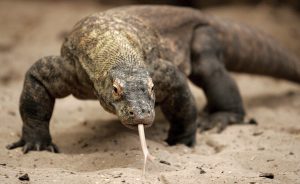
Seasonal breeders often invest heavily in parenting. This is timed so parents can provide adequate food and protection.
5. Animals That Breed Year-Round (Continuous Breeders)
Not all animals limit reproduction to a specific season. Some species breed throughout the year.
5.1 Stable Environments
Species living in tropical climates or stable ecosystems may have constant access to food and water, allowing continuous reproduction.
- Example: Many primates, including humans, can reproduce year-round.
5.2 Social and Domesticated Animals
Animals that have adapted to living near humans or in controlled environments no longer depend on seasonal conditions.
- Example: Dogs and cats are capable of breeding throughout the year.
5.3 Opportunistic Breeding
Some species reproduce whenever conditions are favorable rather than at a fixed time of year.
- Example: Rabbits breed rapidly when food is abundant.
6. Case Studies from Nature
6.1 Deer: Classic Seasonal Breeders
Deer mate in autumn so that fawns are born in late spring, when vegetation is plentiful.
6.2 Birds: Timing Reproduction with Spring
Most birds rely on springtime insects to feed hatchlings, making timing crucial.
6.3 Humans and Most Primates: Continuous Breeders
Humans do not rely on seasonal changes for reproduction, partly due to cultural, social, and environmental stability.
6.4 Fish and Amphibians: Breeding Triggered by Moisture
Many frogs breed after rainfall when temporary pools form.
7. Evolutionary Advantages of Both Strategies
Advantages of Seasonal Breeding
- Higher survival rates for offspring
- Better resource planning
- Optimal parental investment
Advantages of Continuous Breeding
- More chances to reproduce
- Adaptation to stable environments
- Rapid population growth potential
Conclusion
The question of why some animals have specific breeding seasons while others breed year-round reflects the remarkable adaptability of life on Earth. Seasonal breeding is a strategic response to changing environmental conditions, ensuring offspring are born when they have the best chance of survival. On the other hand, continuous breeding is favored in stable habitats where resources are consistently available.
Ultimately, reproductive strategies evolve to match the unique challenges and opportunities faced by each species. Understanding these strategies not only reveals how life adapts but also highlights the delicate balance between animals and their environments.
Protecting Your Dog from Distemper