
 By admin
New Year’s Celebrations in the United States: Traditions, Rituals, and Cultural Significance
The New Year’s celebration is one of the most highly anticipated holidays in the United States, bringing together families, friends, and communities to reflect on the past year and welcome the future with hope and enthusiasm. From vibrant fireworks displays and iconic countdowns to intimate gatherings and traditional meals, the United States offers a kaleidoscope of rituals and traditions that cater to diverse cultural backgrounds and personal preferences. This article delves into the rich tapestry of New Year’s celebrations across America, exploring their origins, modern interpretations, and unique regional variations.
The Historical and Cultural Roots of New Year’s Celebrations
The origins of New Year’s celebrations can be traced back to ancient civilizations. In the United States, these festivities have evolved through centuries of cultural amalgamation, influenced by Native American customs, European traditions, and immigrant communities from around the world. The Gregorian calendar—adopted globally in 1582—designates January 1st as New Year’s Day, a tradition brought to America by European settlers.
Over time, these early customs merged with indigenous practices and modern innovations, creating a uniquely American way of celebrating the New Year. For example, the ball drop in Times Square, a hallmark of U.S. New Year’s Eve celebrations, originated in 1907 and reflects a blend of technology, entertainment, and community spirit.
Iconic New Year’s Eve Traditions
The Times Square Ball Drop
One of the most famous New Year’s Eve traditions in the United States is the Times Square ball drop in New York City. Every year, millions of people gather in person and watch from home as the illuminated ball descends from a 70-foot flagpole atop One Times Square. The event includes performances by world-renowned artists, celebrity appearances, and a countdown to midnight. This tradition has become a symbol of hope, unity, and celebration, resonating with people around the globe.
Fireworks Displays
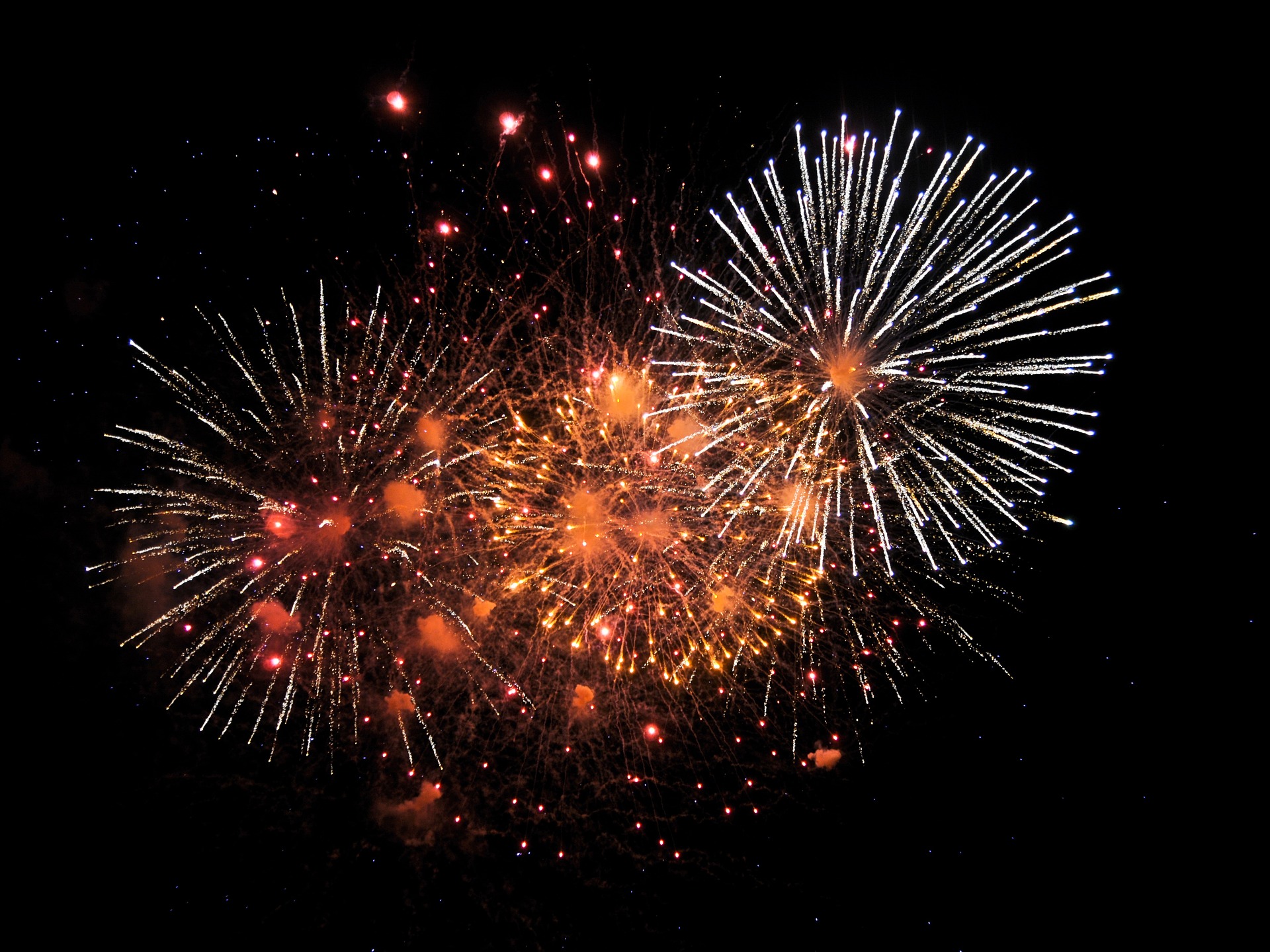
Fireworks are another quintessential part of New Year’s Eve celebrations in America. Major cities like New York, Los Angeles, and Chicago host spectacular pyrotechnic shows that light up the night sky, accompanied by music and cheers. For many, these dazzling displays signify the start of a fresh chapter, filled with possibilities and dreams.
Midnight Toasts and Resolutions
At the stroke of midnight, Americans often raise their glasses in a toast to the New Year. Champagne is the traditional drink of choice, symbolizing joy and success. Alongside toasts, the practice of making New Year’s resolutions is widespread. From pledges to adopt healthier lifestyles to ambitious career goals, these resolutions reflect a collective desire for self-improvement and personal growth.
Regional and Cultural Variations
The United States’ diverse population contributes to an array of regional and cultural New Year’s celebrations, each with its own unique flavor.
Southern Traditions: Hoppin’ John and Good Luck Foods
In the Southern states, food plays a significant role in New Year’s traditions. Many families prepare a dish called Hoppin’ John, a flavorful combination of black-eyed peas, rice, and pork. The black-eyed peas are believed to bring good luck, while collard greens represent wealth and prosperity. Cornbread, often served as a side dish, symbolizes gold.
West Coast Festivities: Beach Parties and Outdoor Events
On the West Coast, particularly in California, New Year’s celebrations often take place outdoors, taking advantage of the mild winter weather. Beach parties, bonfires, and even polar bear plunges—where participants dive into chilly ocean waters—are popular activities. These events highlight the adventurous spirit and laid-back lifestyle characteristic of the region.
Midwest and Heartland Celebrations
In the Midwest, community events such as parades, ice-skating parties, and town square gatherings are common. The emphasis is on togetherness and family-oriented activities. Cities like Chicago also host large-scale public celebrations, including fireworks displays over Lake Michigan.
Ethnic and Multicultural Traditions
The rich cultural diversity of the United States is evident in the various ethnic and multicultural New Year’s traditions observed across the country. For example:
- Chinese New Year: While celebrated later in the year, many Chinese-American communities host preliminary festivities on December 31st, featuring dragon dances, lantern displays, and traditional meals.
- Hispanic Traditions: In many Latino households, eating 12 grapes at midnight is a cherished custom, with each grape symbolizing a wish for the coming year.
- Native American Ceremonies: Indigenous communities often hold spiritual gatherings and ceremonies to honor the passage of time and the cycles of nature.
Modern Innovations and Trends
Virtual Celebrations
In recent years, especially during the COVID-19 pandemic, virtual celebrations have gained popularity. Live-streamed concerts, virtual countdowns, and online gatherings allow people to connect with loved ones and participate in festivities from the comfort of their homes.
Sustainable Celebrations
With growing awareness of environmental issues, many communities are adopting sustainable practices for New Year’s celebrations. Eco-friendly fireworks, reusable decorations, and locally sourced foods are becoming more common, reflecting a broader commitment to protecting the planet.
Themed Parties and Events
Themed parties, ranging from 1920s-style Gatsby galas to futuristic sci-fi extravaganzas, have become a trendy way to ring in the New Year. These events often feature elaborate costumes, curated playlists, and Instagram-worthy décor, providing a memorable experience for attendees.
The Psychological and Emotional Impact of New Year’s Celebrations
New Year’s celebrations hold deep psychological and emotional significance. The transition from one year to the next serves as a natural marker for reflection and renewal. Many people use this time to assess their achievements, set intentions, and let go of past regrets. The communal aspect of celebrating with others fosters a sense of belonging and shared optimism.
However, it’s worth noting that not everyone finds joy in New Year’s festivities. For some, the holiday can be a source of stress or loneliness, especially if they are far from family or facing personal challenges. Recognizing these emotions and offering support can help make the holiday more inclusive.
Conclusion
New Year’s celebrations in the United States are as diverse and dynamic as the nation itself. Rooted in historical traditions and enriched by cultural diversity, these festivities bring people together to honor the past and embrace the future. Whether it’s the iconic ball drop in Times Square, a quiet toast with loved ones, or a multicultural gathering, the New Year is a time for renewal, connection, and hope. As the clock strikes midnight and fireworks light up the sky, Americans from all walks of life join in celebrating the endless possibilities that lie ahead.