
 By admin
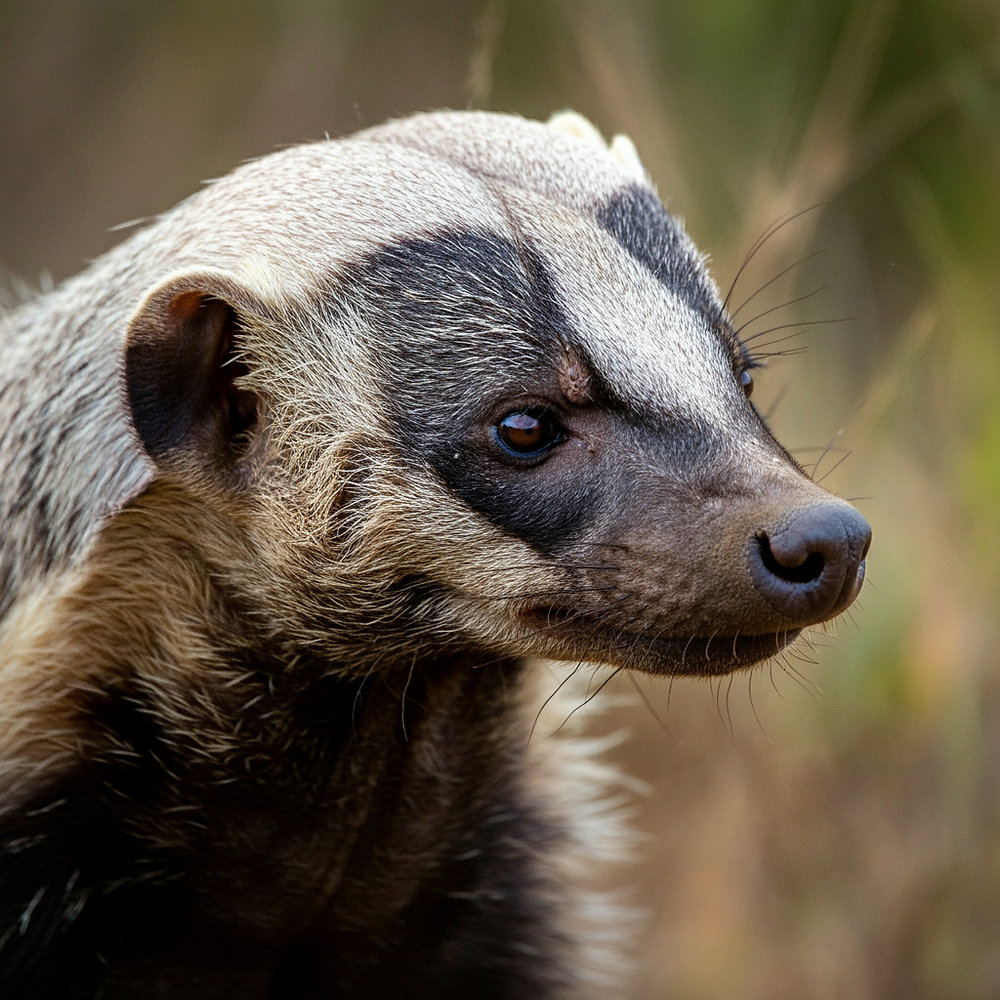
Honey Badger: The Fierce Survivor of the Animal Kingdom
Introduction
The honey badger, scientifically known as Mellivora capensis, is one of the most fascinating and resilient animals on Earth. Despite its relatively small size, the honey badger has earned a legendary reputation for fearlessness, intelligence, adaptability, and remarkable survival skills. From African savannas to Middle Eastern deserts and parts of Asia, this creature demonstrates exceptional physical endurance, fierce defensive strategies, and problem-solving intelligence that rivals even primates.
This article provides a comprehensive look at the honey badger’s natural habitat, behavioral characteristics, diet, defensive strategies, relationship with humans, and its cultural and scientific significance. The honey badger is not merely a wildlife curiosity; it is a symbol of perseverance, strategic strength, and natural adaptability that continues to fascinate scientists, wildlife photographers, and nature enthusiasts worldwide.
Main Content
1. Physical Characteristics and Identification
1.1 Size and Appearance
Honey badgers are medium-sized mammals, typically weighing between 7 to 14 kilograms (15 to 30 pounds), with a length of about 60 to 80 centimeters. They possess a sturdy, muscular body covered with coarse fur. One of the most notable features is the distinctive coloration: a broad, light gray or white strip that runs across the top of the body, contrasting with the black fur covering the sides, legs, and face.
1.2 Claws and Teeth
Their powerful front claws can reach up to 4 inches in length, designed specifically for digging and tearing. Equipped with sharp teeth capable of crushing bones, honey badgers use these features for hunting, defense, and breaking into bee hives.
1.3 Thick Skin
One of the honey badger’s most remarkable biological traits is its loose and incredibly tough skin. This allows the animal to twist and turn freely even when caught by predators, enabling counter-attacks and escape. The skin is also resistant to bites, stings, and thorns—an evolutionary advantage for surviving harsh environments.
2. Habitat and Geographical Distribution
2.1 Regions Where Honey Badgers Live
Honey badgers are widely distributed across:
- Sub-Saharan Africa
- North Africa
- The Middle East
- India
- Parts of Central and Western Asia
They thrive in a range of environments, including savannas, grasslands, forests, rocky mountains, and deserts.
2.2 Nesting and Territory
Honey badgers create burrows by digging into the ground with their claws. They may occupy abandoned burrows of warthogs or aardvarks and expand them for their needs. Their territory can span several kilometers, and they frequently roam long distances while hunting.
3. Diet and Feeding Behavior
3.1 Omnivorous Diet
Honey badgers are opportunistic feeders, consuming:
- Rodents
- Birds and eggs
- Reptiles (including highly venomous snakes)
- Frogs and insects
- Fruits and berries
- Honey and bee larvae
Their name comes from their fondness for honey and bee nests, although honey is actually a small part of their diet.
3.2 Snake Hunting Ability
One of the honey badger’s most astonishing traits is its immunity—or near-immunity—to snake venom. Species like cobras, puff adders, and vipers are part of its diet. Even if bitten and temporarily paralyzed, the honey badger often recovers within hours and resumes its activity.
3.3 Foraging Intelligence
The honey badger uses memory, observational learning, and problem-solving to locate food. In some regions, they have been observed cooperating with the honeyguide bird, which leads them to beehives in exchange for leftover wax and larvae.
4. Behavior and Social Structure
4.1 Solitary Lifestyle
Honey badgers live primarily alone, except during mating seasons or when females raise their young. They patrol their territory aggressively and leave scent markings to communicate boundaries.
4.2 Communication
They communicate through:
- Growls
- Hissing
- Scent markings from glands near the tail
- Loud alarm calls when threatened
4.3 Learning and Memory
Scientific studies have shown that honey badgers possess advanced cognition. They can:
- Unlock cages
- Use tools
- Solve multi-step escape puzzles
- Remember food locations
These traits place them among the most intelligent mammals outside primates.
5. Defense Strategies: Fearlessness Redefined
5.1 Aggressive Counterattacks
When confronted, honey badgers do not flee. They stand their ground and respond with aggression, targeting vulnerable areas like the eyes or nose of predators.
5.2 Chemical Defense
Honey badgers release a foul-smelling secretion similar to a skunk’s, which deters predators and disrupts their senses.
5.3 Natural Enemies
Although honey badgers can fight off lions, leopards, hyenas, and African wild dogs, large predators sometimes overpower them—especially young or sick individuals. However, even top predators avoid unnecessary conflict with honey badgers due to the high risk of injury.
6. Reproduction and Lifespan
6.1 Breeding and Raising Young
Honey badgers reproduce once or twice a year. Females give birth to one or two cubs after a gestation period of around two months. The cubs remain with their mother for more than a year, learning critical hunting and survival skills.
6.2 Lifespan
In the wild, honey badgers live approximately 7 to 10 years, while in captivity they can live up to 16 years due to controlled environments and veterinary care.
7. Relationship with Humans
7.1 Cultural Symbol
In many cultures, the honey badger is viewed as a symbol of resilience, cunning, and fearlessness. It appears in folklore, military insignia, martial arts symbolism, and motivational media.
7.2 Human-Wildlife Conflict
Honey badgers occasionally raid poultry farms or beehives, leading to conflicts with farmers. Conservation groups encourage the use of reinforced hive structures to reduce these conflicts.
7.3 Modern Scientific Interest
Researchers continue to study honey badgers for insights into:
- Pain tolerance
- Venom resistance
- Behavioral learning
- Wildlife survival strategies
Conclusion
The honey badger stands as one of nature’s most extraordinary survivors. Its physical resilience, bold behavior, problem-solving intelligence, and environmental adaptability make it a creature that challenges assumptions about size, strength, and survival. Whether confronting venomous snakes, powerful predators, or harsh environments, the honey badger consistently demonstrates that true power comes not only from physical strength but from strategy, fearlessness, and determination.
Its legacy extends beyond wildlife documentaries and scientific research; it represents a universal symbol of courage and perseverance. The honey badger reminds us that in nature—as in life—the ability to face challenges with confidence and resilience can be more powerful than any physical advantage.
Seasonal vs. Year-Round Breeders